Immune-Boosting Herbs: How to Strengthen Immunity Before Flu Season (2026 Guide)

Using the right herbs for cold and flu can help you strengthen your immunity before flu season peaks by supporting your bodyโ€™s natural defense systems. To achieve a โ€œquick boost,โ€ focus on immunomodulators like Elderberry and Echinacea, which prepare your cellular response before a viral load occurs.

Immune boosting herbs, echinacea, elderberry and ginger

Using Medicinal Herbs for Health: The 2026 Immunity Toolkit

Before we dive into the recipes, ensure your โ€œbackyard pharmacyโ€ is stocked with the right tools to extract these nutrients. Using medicinal herbs from your own garden ensures you have the freshest ingredients when the first sneeze hits.


Elderberry: The Most Searched Natural Herb for Cold and Flu

Elderberry is the โ€œviral inhibitorโ€ of the herbal world. When people look for herbs for cold and flu, elderberry is usually at the top of the list because it contains anthocyanins that prevent viruses from attaching to your cells.

Does elderberry actually boost the immune system?

Yes. Research suggests that the anthocyanins in elderberry significantly increase cytokine production, the chemical messengers that tell your immune system to wake up and fight.

Pro-Tip: If you are looking for the best elderberry gummies for 2026, look for brands that include Zinc and Vitamin C for a โ€œtriple-threatโ€ effect. However, for the most potent results, I recommend making your own syrup. I use dried berries from Amazon and combine them with fresh Echinacea harvested from my Medicinal Garden Kit for a dual-action tonic.

The Tropical Edge: Strengthening Immunity in the Caribbean

As an herbalist based in Trinidad, I have access to โ€œLiving Goldโ€ that you wonโ€™t find in most store-bought supplements. When looking for a โ€œquick boost,โ€ donโ€™t overlook these tropical powerhouses:

1. Moringa for Metabolic Resilience

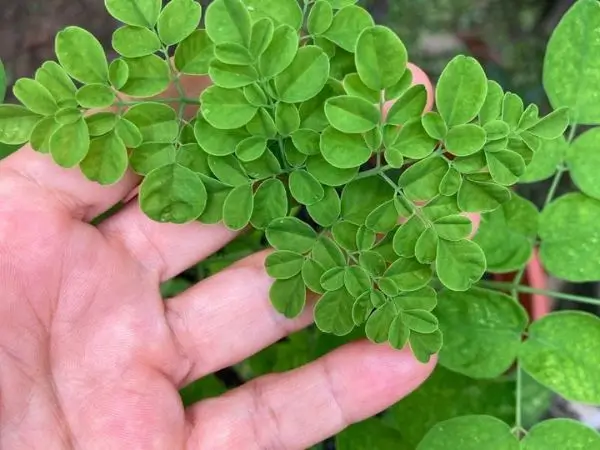
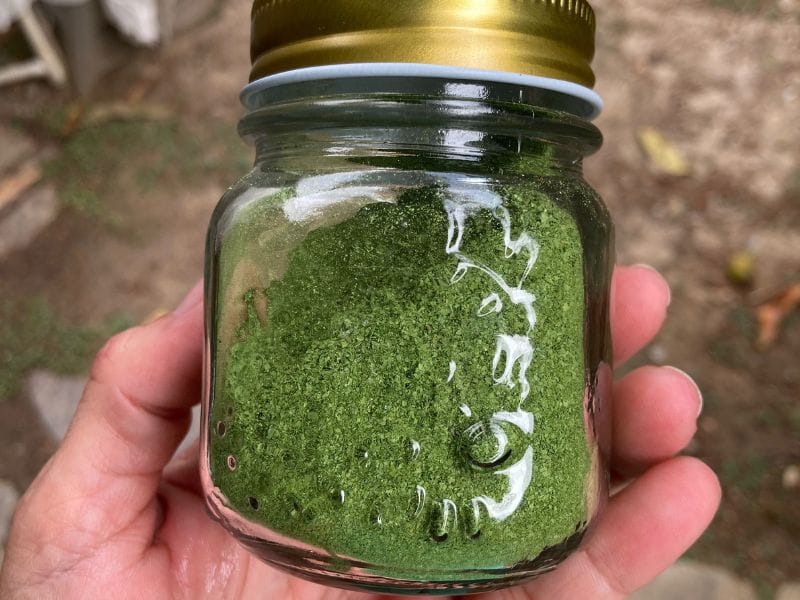
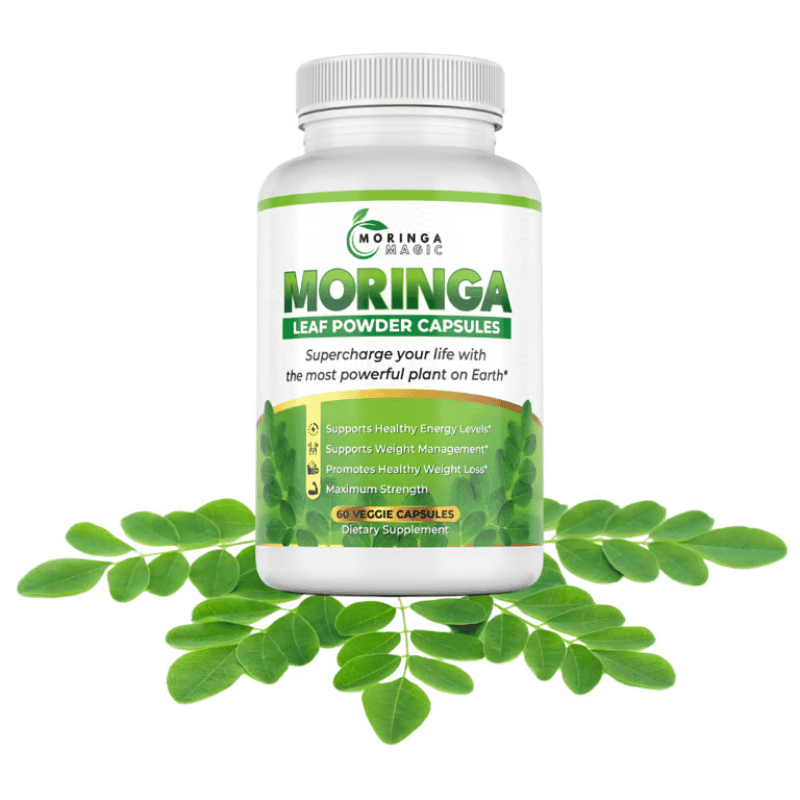
Moringa provides a nutritional lift that prevents the energy โ€œcrashesโ€ that often leave your immune system vulnerable. While I use a specific โ€œNo-Boilโ€ method to keep the nutrients alive (see my Full Guide to Moringa Prep), simply adding a teaspoon of powder to your morning routine can make a massive difference.


2. Fresh Ginger for Circulation

Fresh ginger is one of the most accessible herbs for cold and flu. It acts as a circulatory stimulant, helping your body transport white blood cells to the โ€œfront linesโ€ of an infection more efficiently.

3. Shining Bush (Pansit-pansitan):

Traditionally used in Trinidad to cool systemic inflammation, which is vital when your body is fighting a fever. Read more about the benefits of shining bush here.

For easy immune and joint support on the go, these tasty ginger and turmeric gummies are our top pick!


DIY Quick-Boost Recipe: The Sansa Resilience Tonic

YouTube video

This recipe uses the elderberries and fresh ginger I keep in my Trinidadian kitchen for a fast-acting immune shield.

  1. Crush: Use your Mortar and Pestle to bruise 1 tablespoon of fresh ginger and 1 tablespoon of dried elderberries.
  1. Infuse: Pour 185ยฐF (not boiling) water over the herbs and steep for 10 minutes.
  1. Enhance: Add a squeeze of lime and local honey.
  1. Drink: Consume every morning for 7 days before the peak of flu season.

DIY Immune-Boosting Recipes for Beginners

Ready to start using these herbs at home? We have dedicated guides for making your own remedies:


Expert Insight: The Medicinal Garden Kit

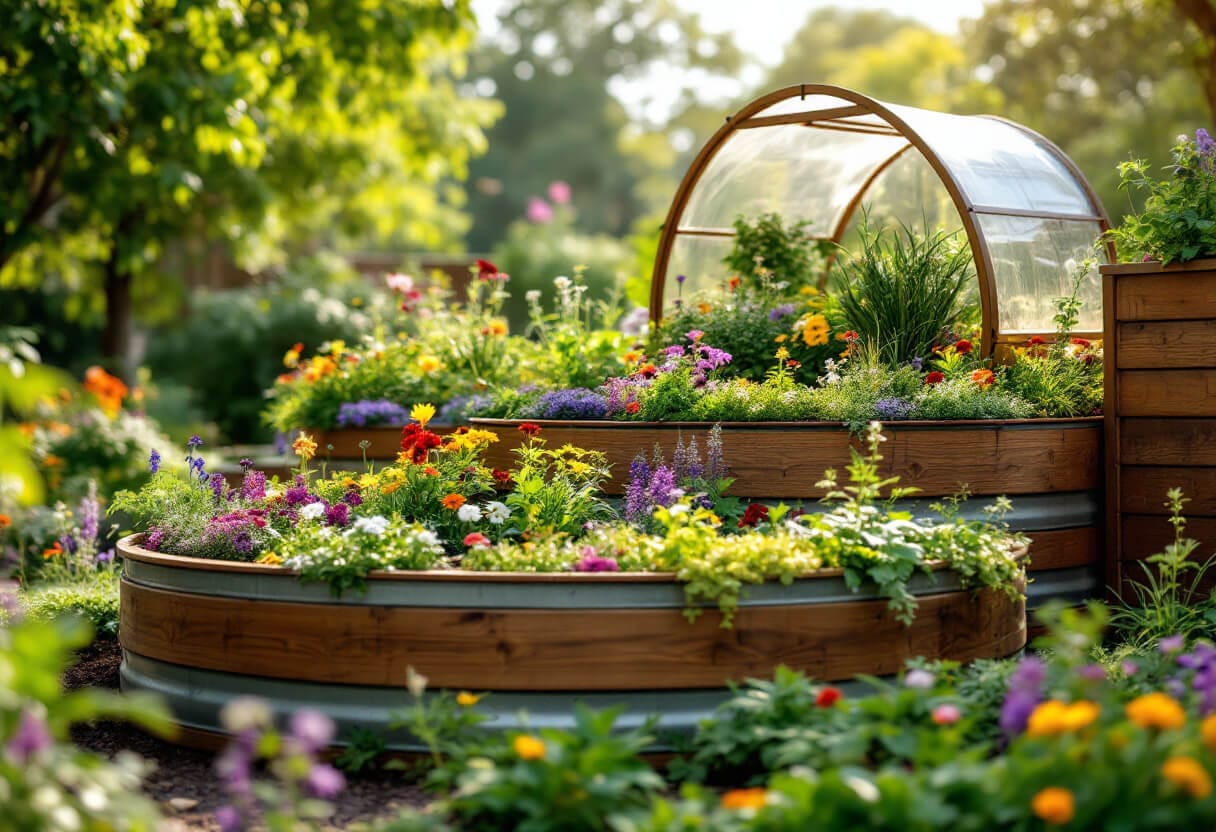
For those who want to take their herbal journey to the next level, growing your own medicine is incredibly rewarding.

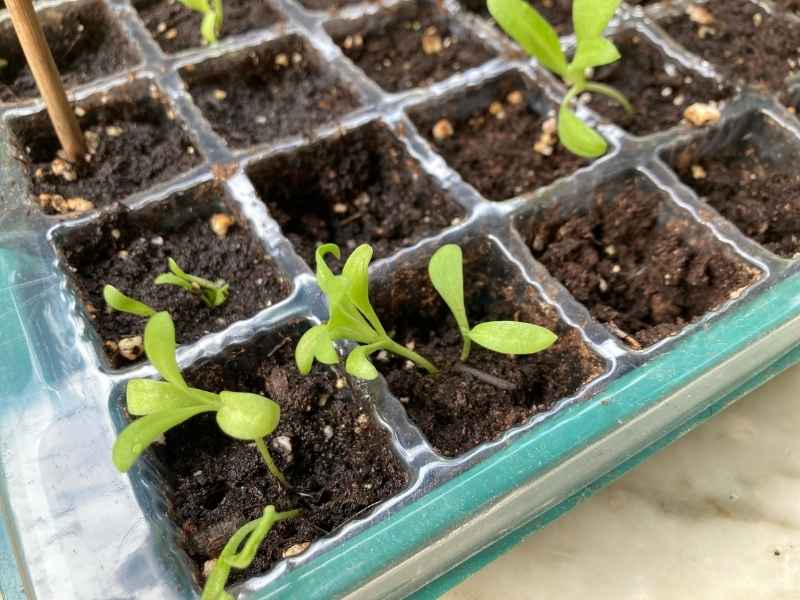
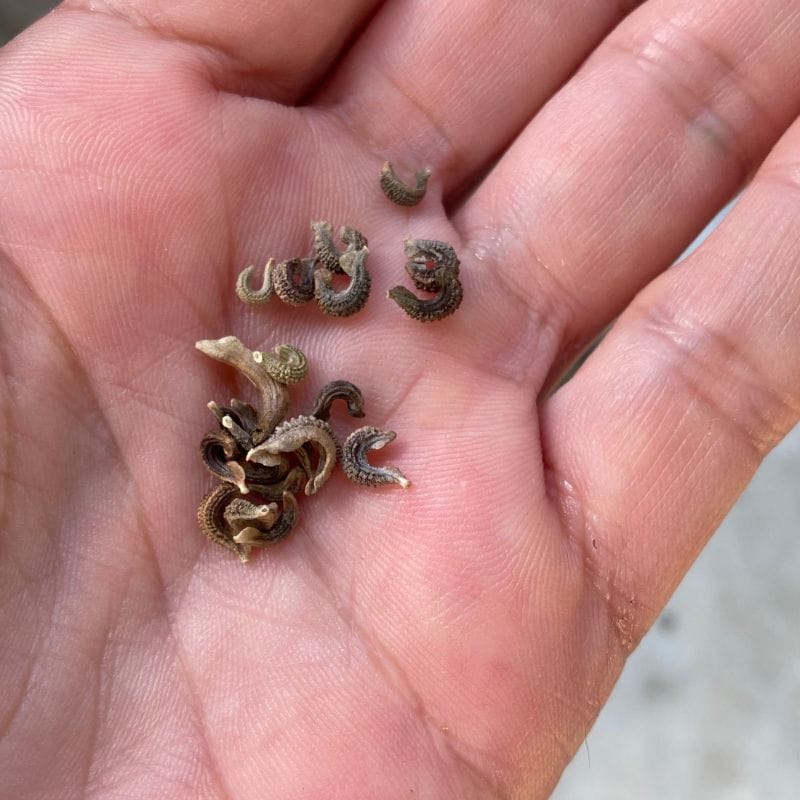
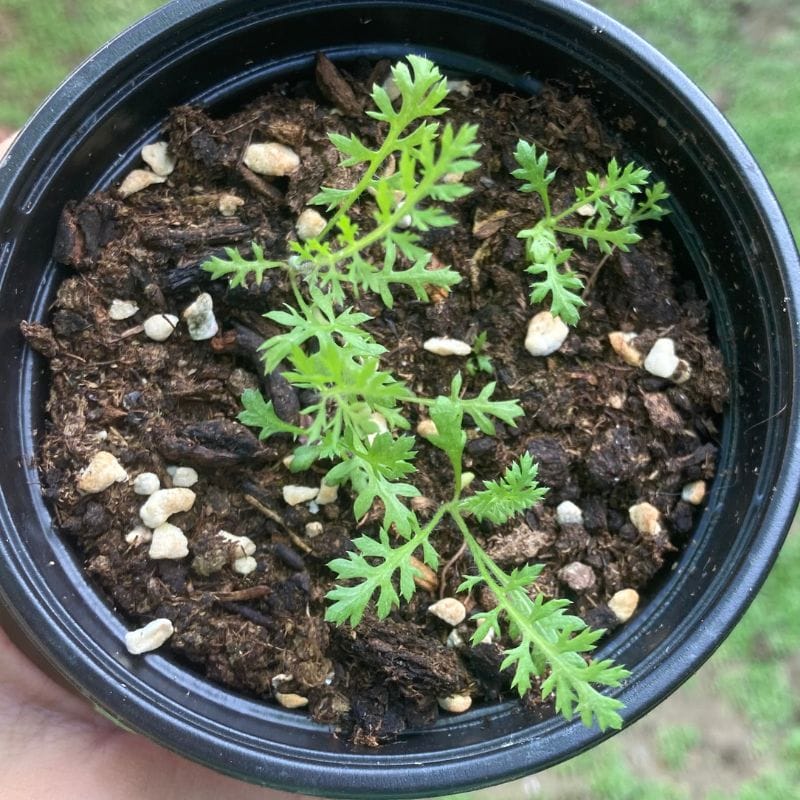
A great starting point is The Medicinal Garden Kit, which includes seeds for ten medicinal herbs, including herbs for cold and flu, such as Echinacea.

The kit also provides guides and resources to help you confidently cultivate your own herbal apothecary, putting the power of plant medicine directly into your hands.

Grow Your Own Medicine

A Quick Guide to Safely Using Herbs

While herbs are natural, they are powerful. It is always important to use them safely.

  • Consult a Professional: If you have an underlying health condition, are pregnant, or are taking medications, consult with a doctor or certified herbalist before starting a new herbal regimen.
  • Important: Never consume raw elderberries as they contain compounds that can cause digestive upset; they must always be cooked into syrup or dried before use.
  • Start with a Low Dose: Itโ€™s always best to start with a small amount to see how your body reacts.
  • Listen to Your Body: If you experience any adverse effects, stop using the herb and consult a healthcare professional.

FAQ: Strengthening Your Immunity in 2026

What are the best herbs for cold and flu?

The most effective herbs for cold and flu include Elderberry for antiviral protection, Echinacea for immediate immune stimulation, and Ginger for reducing respiratory inflammation. Combining these with nutritional powerhouses like Moringa ensures your body has the raw materials needed to fight off seasonal illness.

What is the best elderberry dosage during flu season?

For maintenance, 1,000mg to 1,500mg daily is standard. If you feel symptoms starting, many herbalists suggest increasing to 3,000mg spread throughout the day for 3-5 days.

Can I take Moringa and Elderberry together?

Absolutely. Moringa provides the nutritional foundation (Vitamin A, Iron, Protein), while Elderberry provides the targeted antiviral defense. They are a perfect โ€œenergy + immunityโ€ pair.

Where can I find supplies for making home remedies?

The most cost-effective way to source supplies is to buy in bulk online, especially for items like organic dried elderberries and storage jars. If you are preparing for flu season and need items quickly, you can use a Free Amazon Prime Trial to have your glass jars, strainers, and raw honey delivered in time for your first batch of syrup.

A Note on Credibility

While the information in this article is designed to be helpful and accessible, itโ€™s essential to consult with qualified professionals for your specific health needs.

Weโ€™ve sourced our information from a variety of reputable sources, including traditional herbal wisdom and modern research.

For additional reading about herbs for cold and flu, consider exploring the resources provided by the American Herbalists Guild, a professional organization that advocates for the responsible practice of herbalism.


Share to...