
Marshmallow root benefits the body primarily as a gentle yet effective herbal remedy traditionally used to soothe irritation in the throat, lungs, and digestive tract, thanks to its high content of a natural, jelly-like substance called mucilage. For beginners, growing marshmallow is a rewarding way to access one of the most cherished soothing herbs in history, which is now conveniently included in the easy-to-use Medicinal Garden Kit.
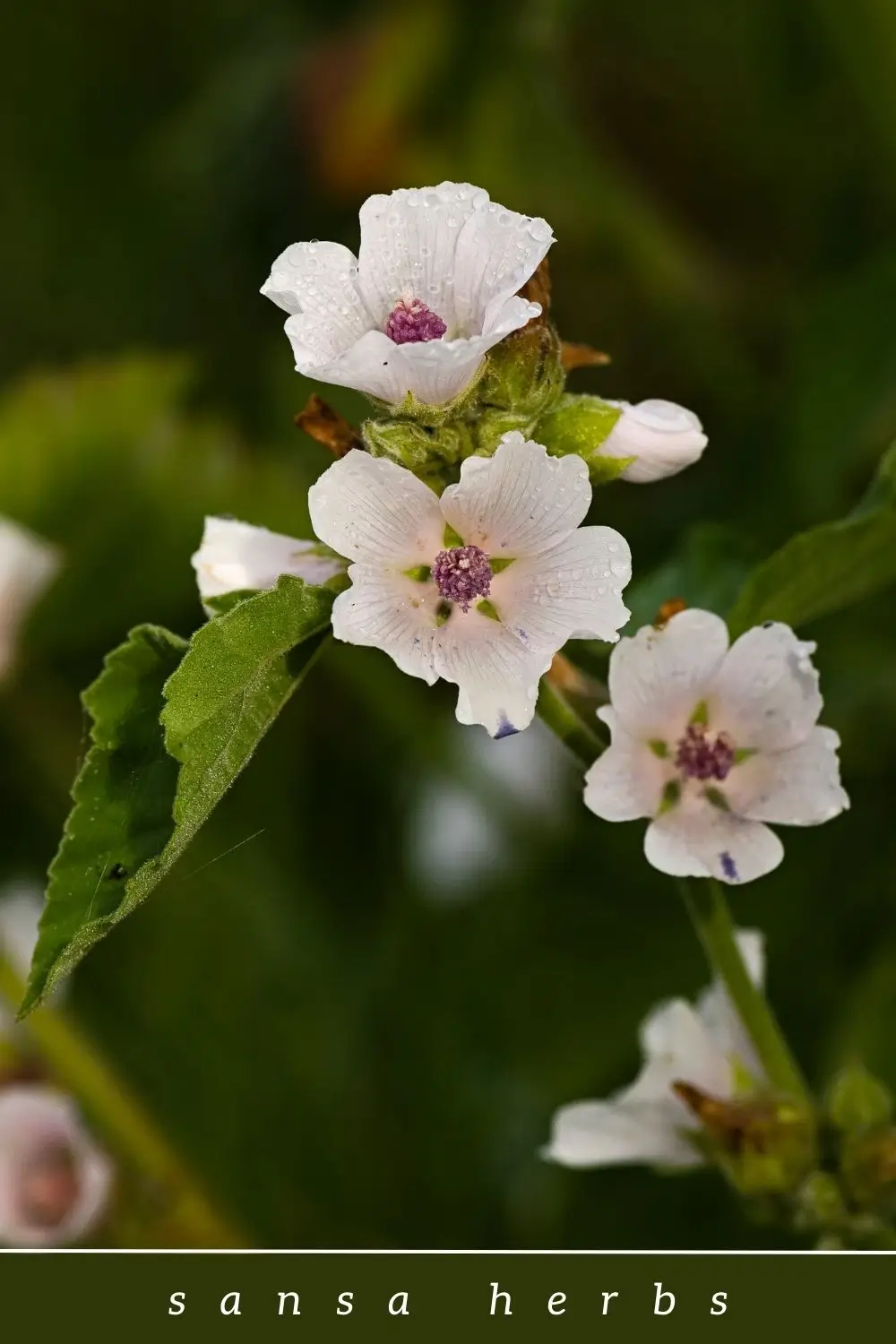
How to Grow Marshmallow Root (Quick Answer)
Marshmallow root can be grown from seed by sowing in rich, moist, well-draining soil and keeping conditions consistently warm. While cold stratification can improve germination rates, it is not always necessary, especially in warmer climates. Seeds typically germinate within 10–14 days, and the plant reaches maturity in about 120–140 days, with roots harvested after 2–3 years for medicinal use.
What You Need to Grow Marshmallow Root
Getting started with marshmallow is simple when you have the right basic setup. Here are the essentials for successful germination and growth:
- Seed trays or small pots → Seed tray for herb gardening
- Rich, well-draining potting soil → Premium potting soil mix
- Watering can or spray bottle → Adjustable spray bottle
- Plant labels (optional) → Reusable plant labels
If you want a simple way to start, the Medicinal Garden Kit includes marshmallow seeds along with other beginner-friendly herbs, making it easier to build your own herbal garden without sourcing everything separately.
For a complete list of beginner-friendly tools, see our guide to medicinal herb garden tools →
Start Your Living Pharmacy: Why Grow Marshmallow?
For thousands of years, the marshmallow plant has been valued for more than just its elegant looks. Unlike the fluffy sweet treat that took its name, the real Althaea officinalis is a powerhouse of soothing compounds.
What is Marshmallow (Althaea officinalis)?
Marshmallow is a stately perennial herb in the mallow family (Malvaceae). Its genus name, Althaea, comes from the Greek word “altho,” which means “to cure.” This ancient healing plant grows as a hardy perennial in USDA zones 3-9, reaching heights of 4-6 feet with soft, velvety, gray-green leaves and delicate white-to-pale-pink flowers. It adds beautiful vertical interest to a garden and attracts beneficial pollinators.
Beginner Tip: Starting marshmallow from seed is a wonderful way to begin your herbal journey. The seeds for this vital plant, along with nine other essential herbs, are available in the Medicinal Garden Kit.
Click here to get 10 premium herb seed packets + a FREE Herbal Guide!
Why Confusion About Capsules vs. Candy Matters
Many beginners are surprised to learn that the herb marshmallow root is not related to the modern white candy, which is made from gelatin and sugar. However, the candy was named after the plant because the sticky extract from the actual root was the original key ingredient.
- Then: Ancient Egyptians reserved the root’s soothing mucilage, mixed with honey, as a special remedy.
- Now: Modern marshmallow candy uses gelatin and corn syrup, while the therapeutic benefits remain only in the plant.
The Simple Science: How Marshmallow Root Soothes
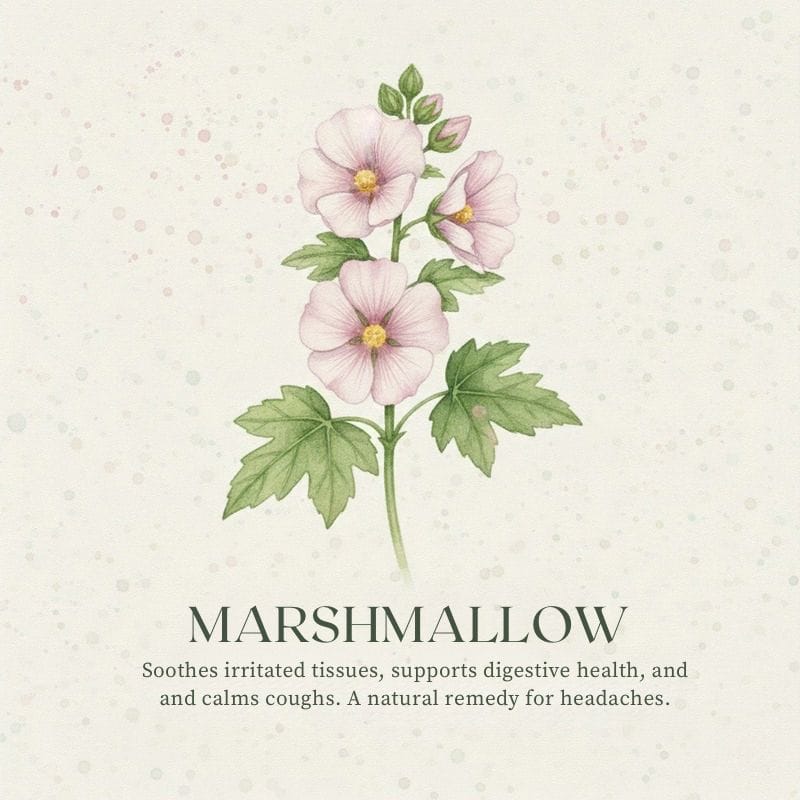
The primary reason marshmallow root is sought after is its mucilage content. This is why it is revered as an incredibly demulcent herb.
What is Mucilage and How Does it Work?
Mucilage is a jelly-like substance that forms when the plant’s polysaccharides interact with water.
- Coating Action: Forms a gel-like layer
- Soothing Irritation: Coats tissues in throat and digestive tract
- Targeting Pain Points: Helps dry cough, sore throat, digestive irritation
Growing Marshmallow from Seed: Practical Steps
Growing marshmallow from seed requires a little patience, but the payoff is a beautiful, self-sustaining source of natural remedy.
How to Grow Marshmallow from Seed (Step-by-Step)
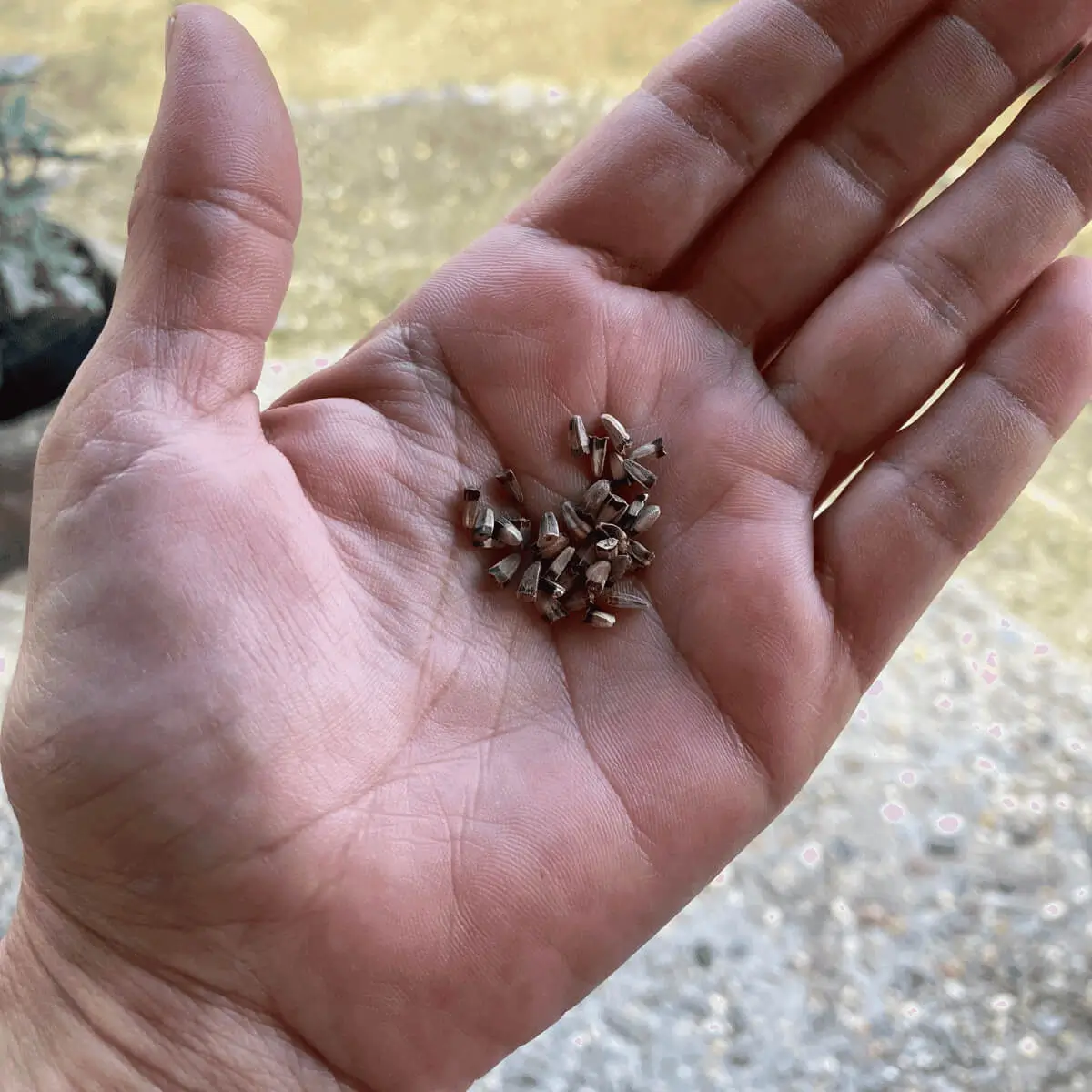
- Sow seeds about 1/4 inch deep in moist, well-draining soil
- Keep soil consistently moist but not waterlogged
- Place in a warm location with full to partial sunlight
- Allow 10–14 days for germination
- Transplant seedlings once they are strong enough
When and Where to Sow Marshmallow Seeds
Marshmallow seeds are small and require the right conditions to germinate successfully.
- Starting Indoors: Start seeds 6–8 weeks before last frost
- Direct Sowing: Sow outdoors in early spring or fall
Do Marshmallow Seeds Need Cold Stratification?
Marshmallow seeds are often recommended to undergo cold stratification for 4–6 weeks to improve germination rates, especially in cooler climates.
However, cold stratification is not always required.
In warmer regions, or when using fresh seeds, marshmallow can still germinate successfully without this step. In my experience growing marshmallow in a tropical environment, seeds germinated without cold stratification when kept consistently moist.
Simple approach for beginners:
- Stratify for highest success rate
- Or sow directly and maintain moisture
- Keep seeds warm and stable
In tropical climates like Trinidad, consistent warmth can naturally support germination, reducing the need for artificial cold treatment.
Soil and Care Guidelines
Marshmallow thrives in rich, consistently moist, well-draining soil.
Plants begin flowering in their second year, with root harvest typically after 2–3 years.
Quick Reference: Growing Marshmallow from Seed
| Basic Growing Information | Growing Conditions |
|---|---|
| Difficulty Level: Moderate | Light Requirements: Full sun to partial shade |
| Time to Germination: 10-14 days | Soil Type: Rich, moist, well-draining |
| Time to Maturity: 120-140 days | Soil pH: 6.0-7.0 |
| Plant Height: 4-6 feet | Temperature Range: 65-75°F (18-24°C) |
| Spacing: 18-24 inches apart | Water Needs: High, prefers consistently moist soil |
| USDA Zones: 3-9 |
Growing Locations
Container Growing: ✓ Possible
Indoor Growing: ✗ Not recommended
Outdoor Growing: ✓ Ideal
Historical & Traditional Significance
Astrological Association: Venus (according to Culpeper)
Traditional Uses:
Respiratory support, Digestive health, Skin soothing, Wound healing
Can Marshmallow Be Grown in Containers?
Yes, marshmallow can grow well in deep containers with consistent moisture and fertile soil.
How to Use Marshmallow Root for Soothing Relief
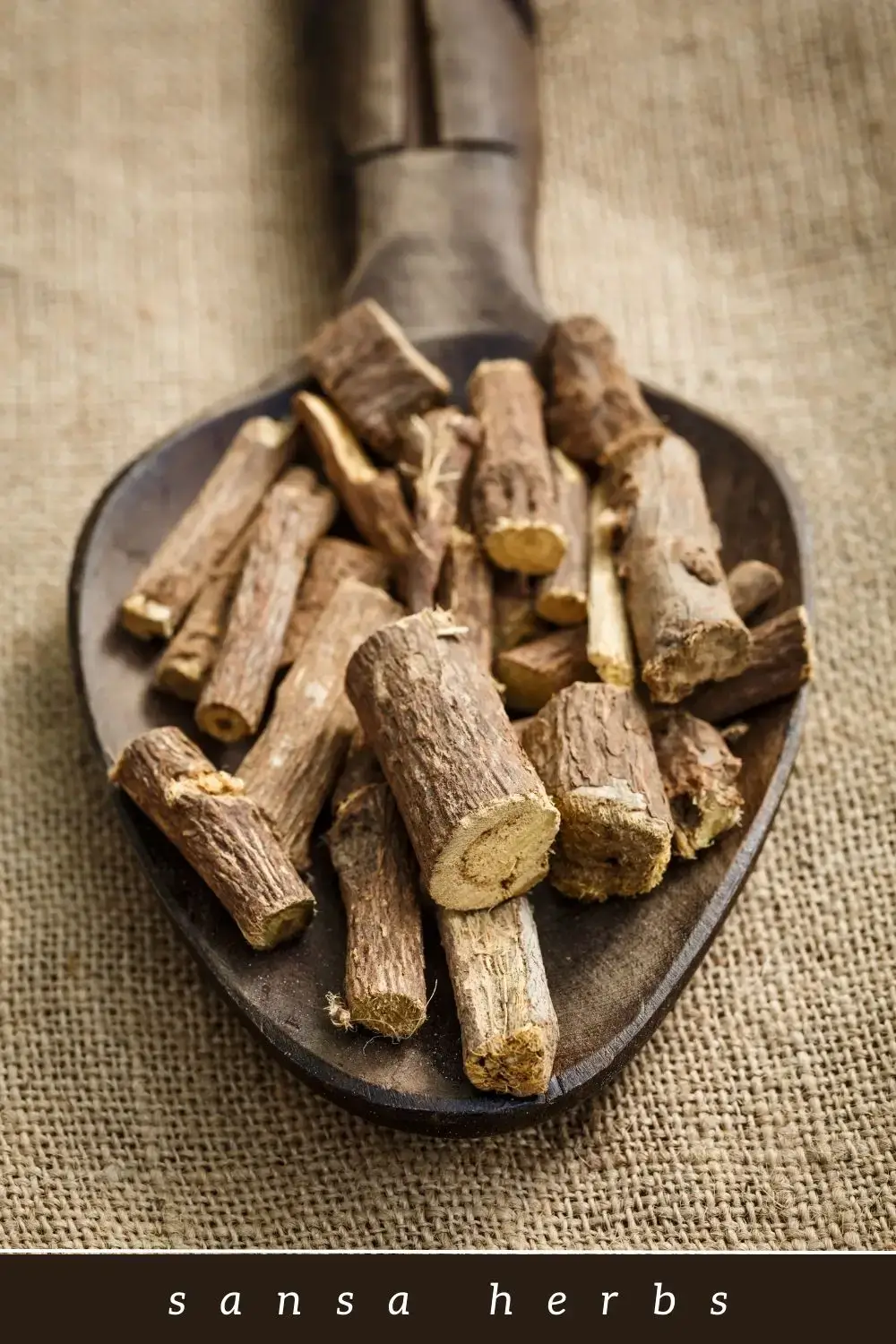
Marshmallow root can be used in teas, cold infusions, or capsules to soothe irritation in the throat and digestive tract. For more details on using marshmallow root specifically for sore throat and cough relief, see our marshmallow root for soothing a sore throat guide.
Best Use Cases
| Pain Point | How Marshmallow Helps |
| Dry, Persistent Cough | The mucilage coats the irritated membranes in the throat and lungs, reducing the urge to cough. A 2020 review confirmed its effectiveness for dry coughs. |
| Acid Reflux/Stomach Upset | The protective gel-like coating soothes the lining of the esophagus and stomach, helping to heal wounds and reduce inflammation (vulnerary action). |
| Urinary Tract Discomfort | Research suggests it works systemically to promote moistening of the tissues, which may support the body in hot and painful urinary problems such as cystitis or UTIs. |
Preparing Marshmallow Root at Home
To use marshmallow root effectively, you will need dried root or powder. High-quality herbal sources make preparation easier, whether for tea or capsules.
Safety & Trust
Marshmallow root is generally well-tolerated when used appropriately.
Trust & Safety: While marshmallow root is a gentle and traditional herb, anyone with medical conditions, those who are pregnant or breastfeeding, or those taking medications should speak with a healthcare professional before starting new supplements.
Important Medication Note: The mucilage in marshmallow can slow down the absorption of other medications. Always take marshmallow root supplements at least two hours before or after taking any prescribed medications to prevent interference.
Herbal Energetics: This herb is powerfully cooling and moistening. It is best used when your symptoms involve signs of heat, irritation, or dryness (like a dry cough or burning pain).
Marshmallow Root Benefits: FAQ
Roots are typically harvested after 2–3 years.
Yes, with consistent moisture, marshmallow adapts well to warm regions.
The Medicinal Garden Kit includes marshmallow seeds along with other essential herbs.