Traditional Herbs. Modern Living.
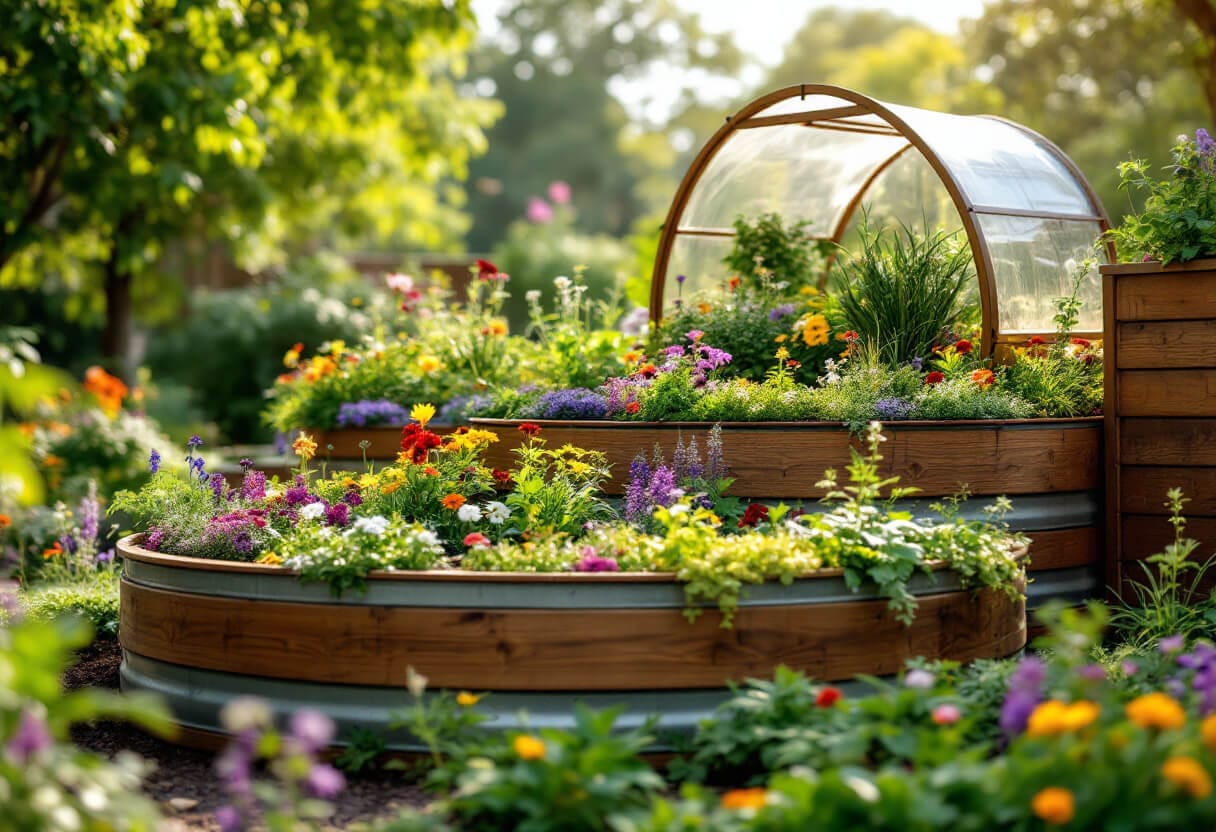
Starting a herbal tea garden at home is one of the simplest ways to grow and use your favorite herbal plants.
Follow along as I grow, prepare, and use traditional plants in simple, practical ways.
Start Your Herbal Journey Start Your Herb Garden KitThis page contains affiliate links. I may earn a commission if you make a purchase through these links, at no extra cost to you. As an Amazon Associate, I earn from qualifying purchases.
Freshness does not need to feel complicated.
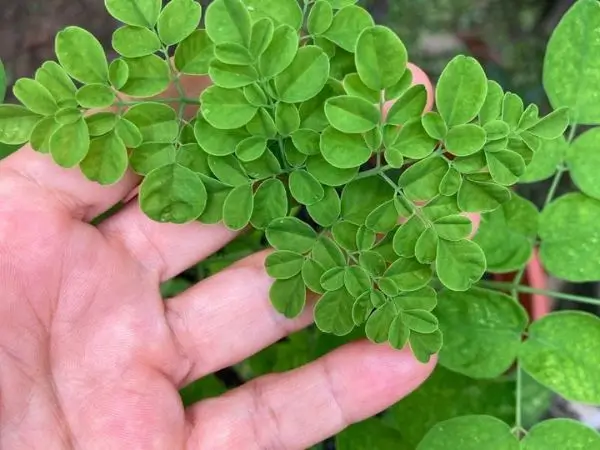
At Sansa Herbs, you will find simple, practical ways to grow herbs in containers, small spaces, and warm climates, with ideas for harvesting, tea, and everyday use.
Whether you are starting your first herb garden or learning how to grow and prepare moringa, everything here is designed to be clear, beginner-friendly, and easy to follow.
Inspired by Caribbean growing traditions, practical container gardening, and everyday ways to use what you grow.
- Practical growing advice for containers and small spaces
- Tropical and warm-climate herb growing
- Simple harvesting, tea, and garden-to-kitchen ideas
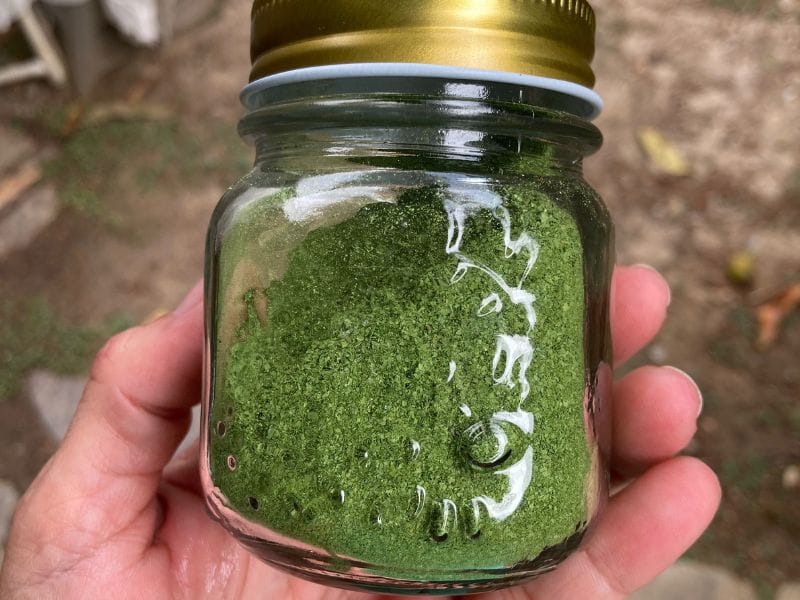
New to Moringa?
Learn how moringa grows, how to harvest it, and practical ways to use the leaves at home.
Start with my growing guide if you want to raise moringa from seed or understand how it grows in warm climates.
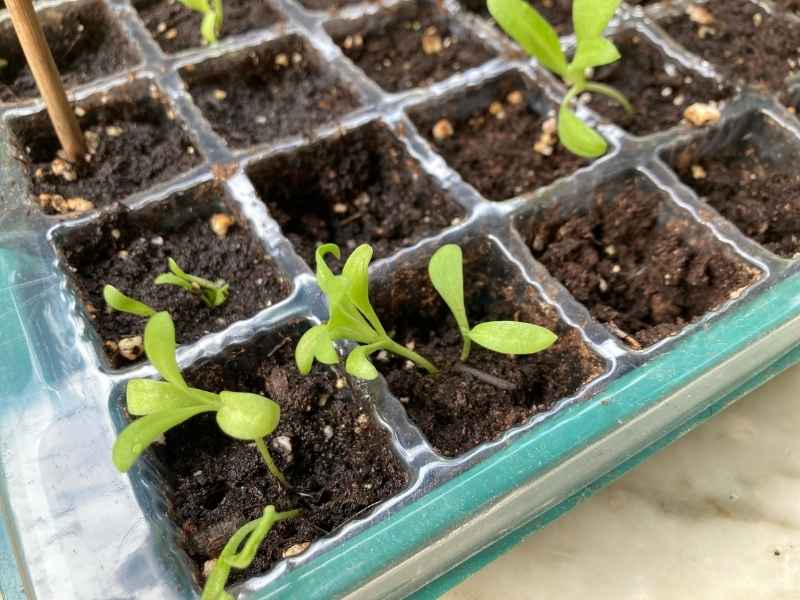
Grow Your Own
Turn a small space into a productive herb garden at home.
Start with a few useful herbs in pots, or use the herb seed kit if you want several varieties to grow at once.
Growing Guides
Explore practical growing guides for herbs, containers, small spaces, and warm climates.
Learn what to plant, how to care for it, and how to build a useful herb garden one plant at a time.
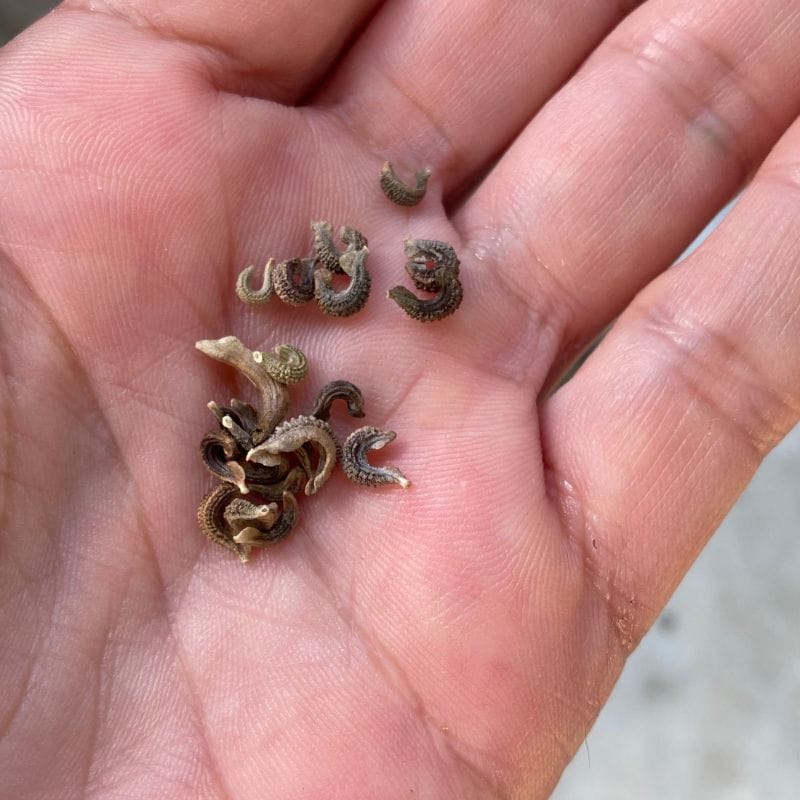
Start Here Guides
Grow Herbs at Home
Learn how to plant, grow, and craft with herbs at home.
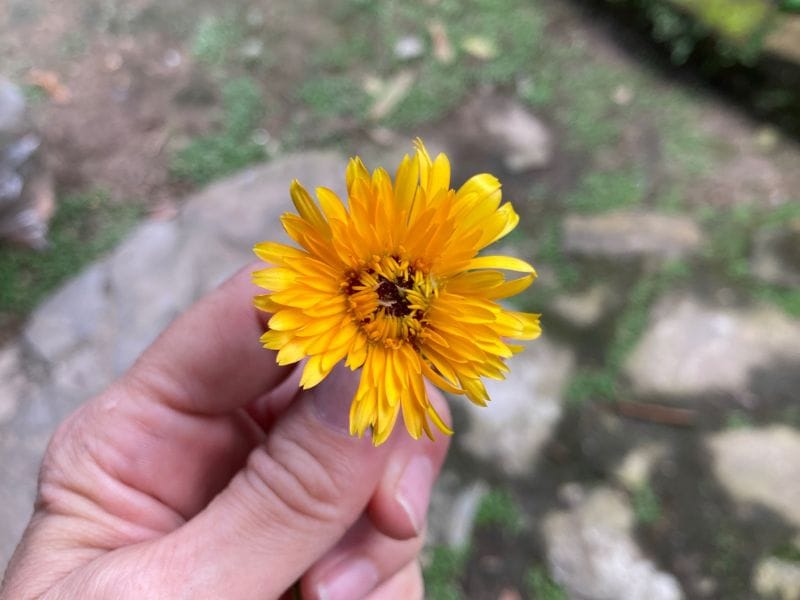
Growing Calendula
A bright, beginner-friendly flower that grows well from seed in sunny garden beds and containers.
Learn how to grow calendula from seed, harvest the flowers, and keep the plants productive.
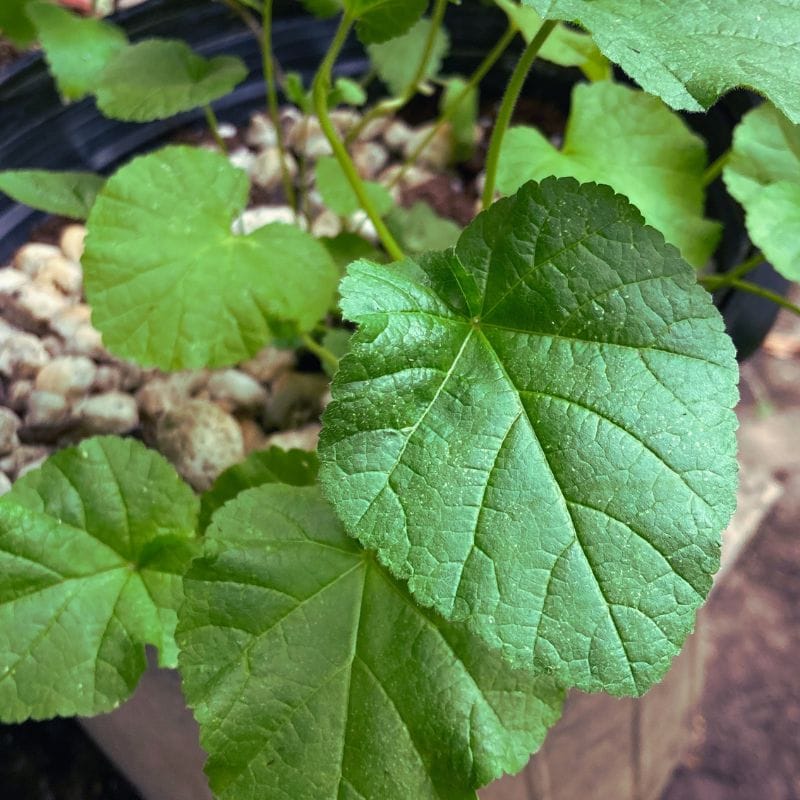
Marshmallow: A Garden Essential
A tall perennial with soft leaves and pale flowers that can be grown in garden beds or large containers.
Learn what marshmallow needs to grow well and how to care for it through the season.
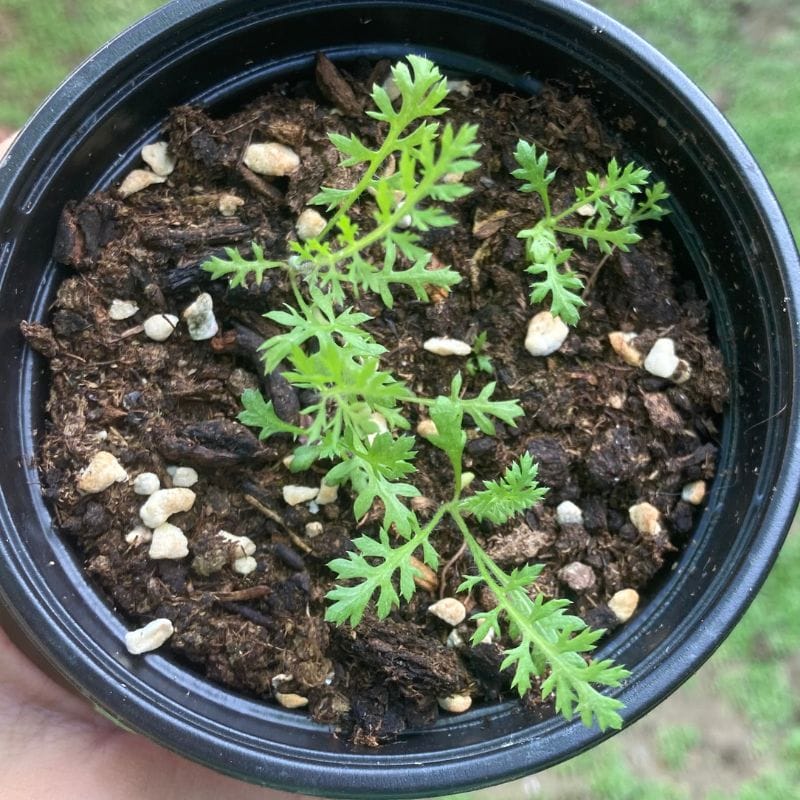
Growing Yarrow
A hardy flowering perennial that handles sunny conditions and attracts pollinators.
Learn how yarrow grows and what it needs to establish well in the garden.
Download the Free 5-Herb Starter Guide
Learn how to grow and use your first herb plants at home with simple, practical steps.
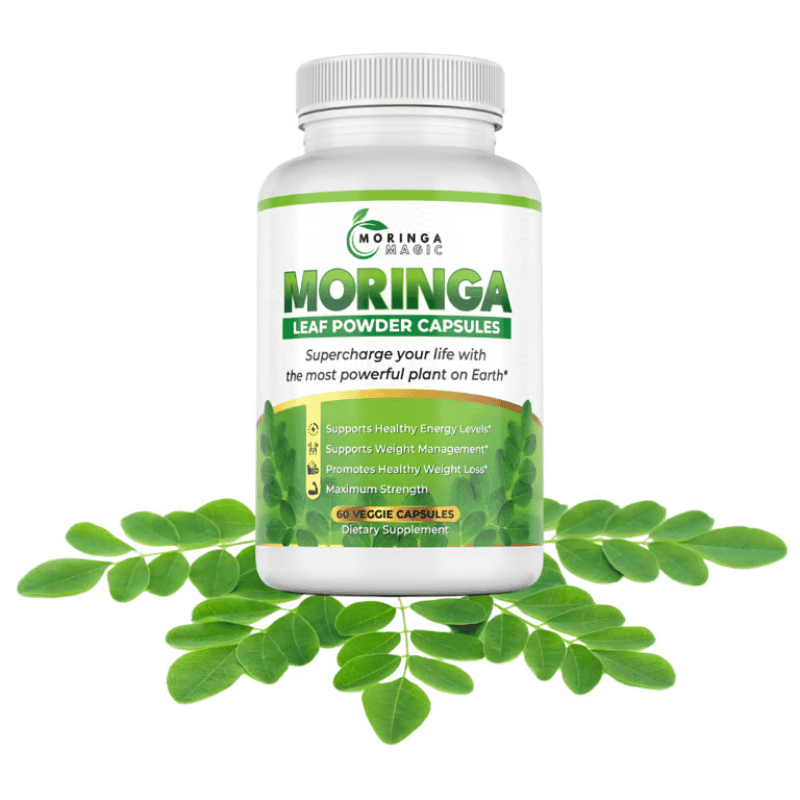
Download the Free Guide →Prefer Moringa in Capsule Form?
If you prefer a ready-to-use option instead of measuring loose moringa powder, you can read my hands-on review of Moringa Magic capsules.
What I looked at in my review:
- What the powder inside the capsule looks like
- How convenient the capsule format is to use
- What I found during my own test period
Start Your Herbal Journey
Build your own herb garden with plants you can grow, harvest, and use at home.
Start Here Get the Herb Seed Garden Kit