Grow calendula from seed and welcome one of nature’s most joyful healers into your garden. Not only are these blooms effortless to grow, but they yield abundant flowers used to make powerful medicine that herbalists have relied on for centuries.
From brightening salads with edible petals to crafting healing salves and soothing teas, having your own supply of this beneficial plant opens up endless possibilities for kitchen and medicine cabinet alike.
About Calendula Officinalis
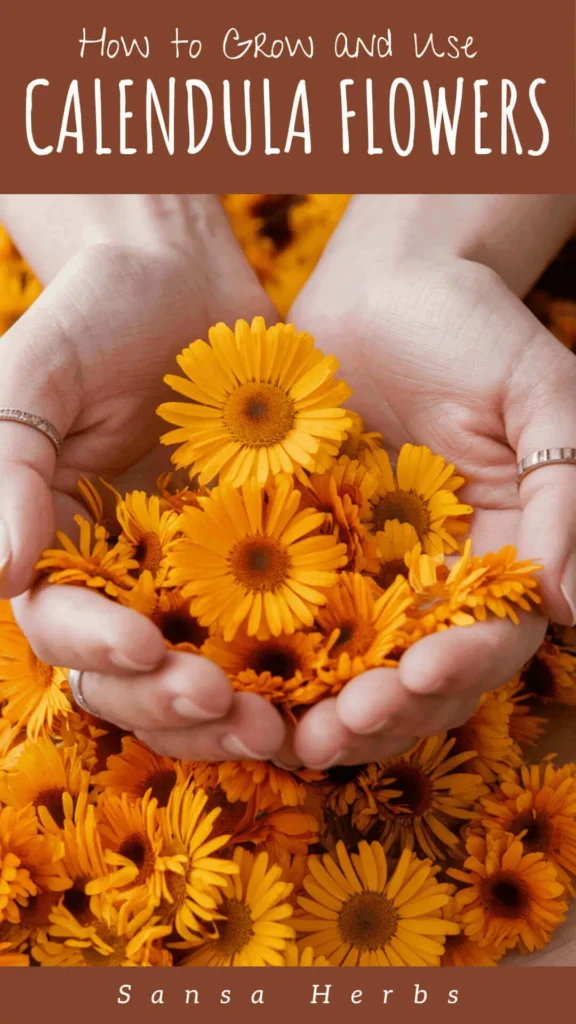
Calendula (Calendula officinalis L.), also known as pot marigold, is a flowering plant in the daisy family (Asteraceae). It is crucial not to confuse it with true marigolds (Tagetes), as they do not possess the same medicinal properties.
According to Wisconsin Horticulture Division of Extension, Calendula officinalis is the specific species grown for its edible petals and herbal uses.
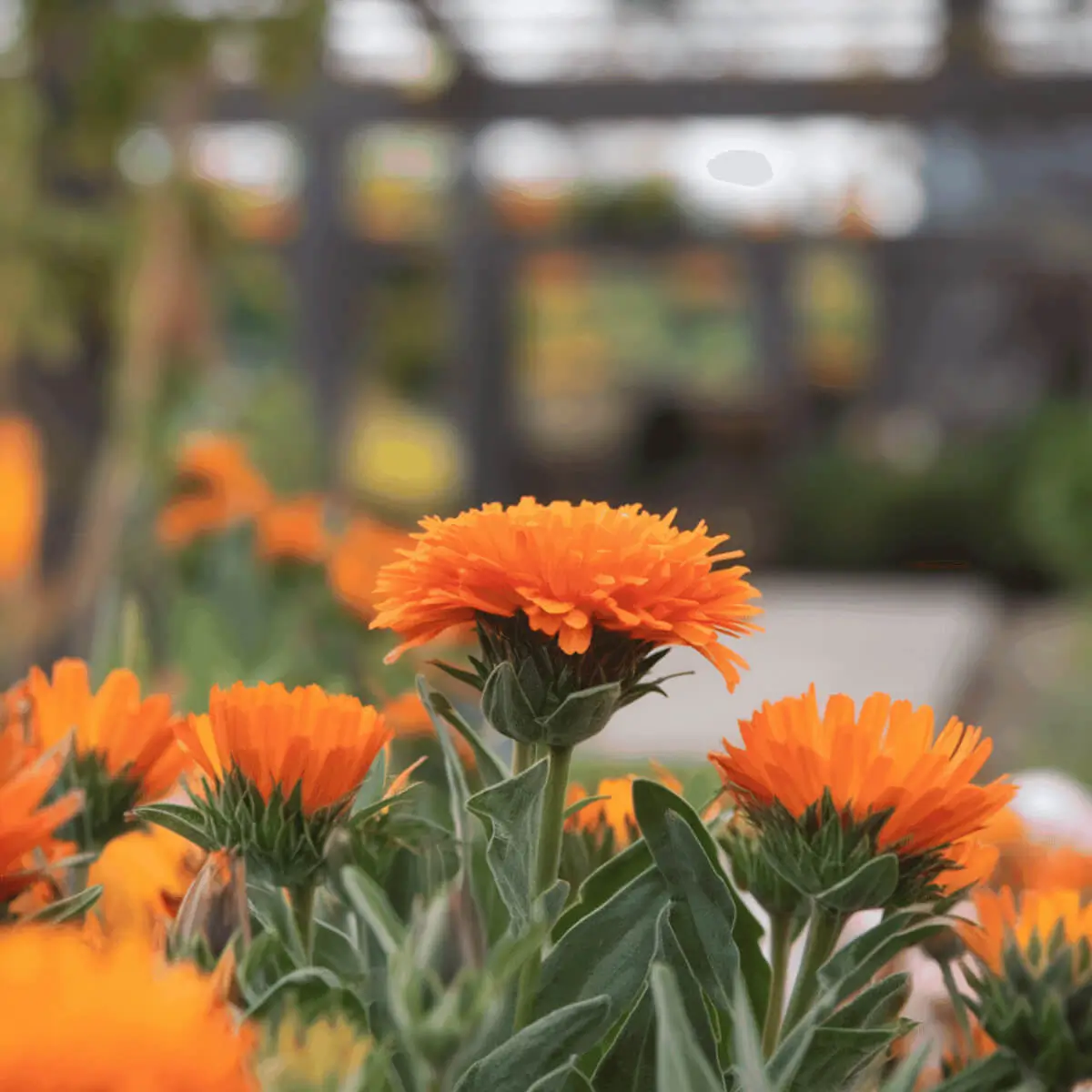
Grow calendula plants as hardy annuals in zones 2-10. While they readily self-seed in favorable conditions, in colder regions they are typically grown as single-season flowers and replanted each spring.
Calendula plants grow in a compact, bushy form, reaching 18-24 inches in height and 12 inches in width. This makes them perfect for:
- Edging pathways: Their manageable size and vibrant blooms make calendula a versatile addition to any garden!
- Garden beds
- Containers
Calendula flowers are daisy-like with rows of overlapping petals in vibrant orange to yellow hues. Each 2–3-inch bloom features dense layers of petals around a central disk, and these cheerful flowers are highly attractive to pollinators, especially bees and butterflies.

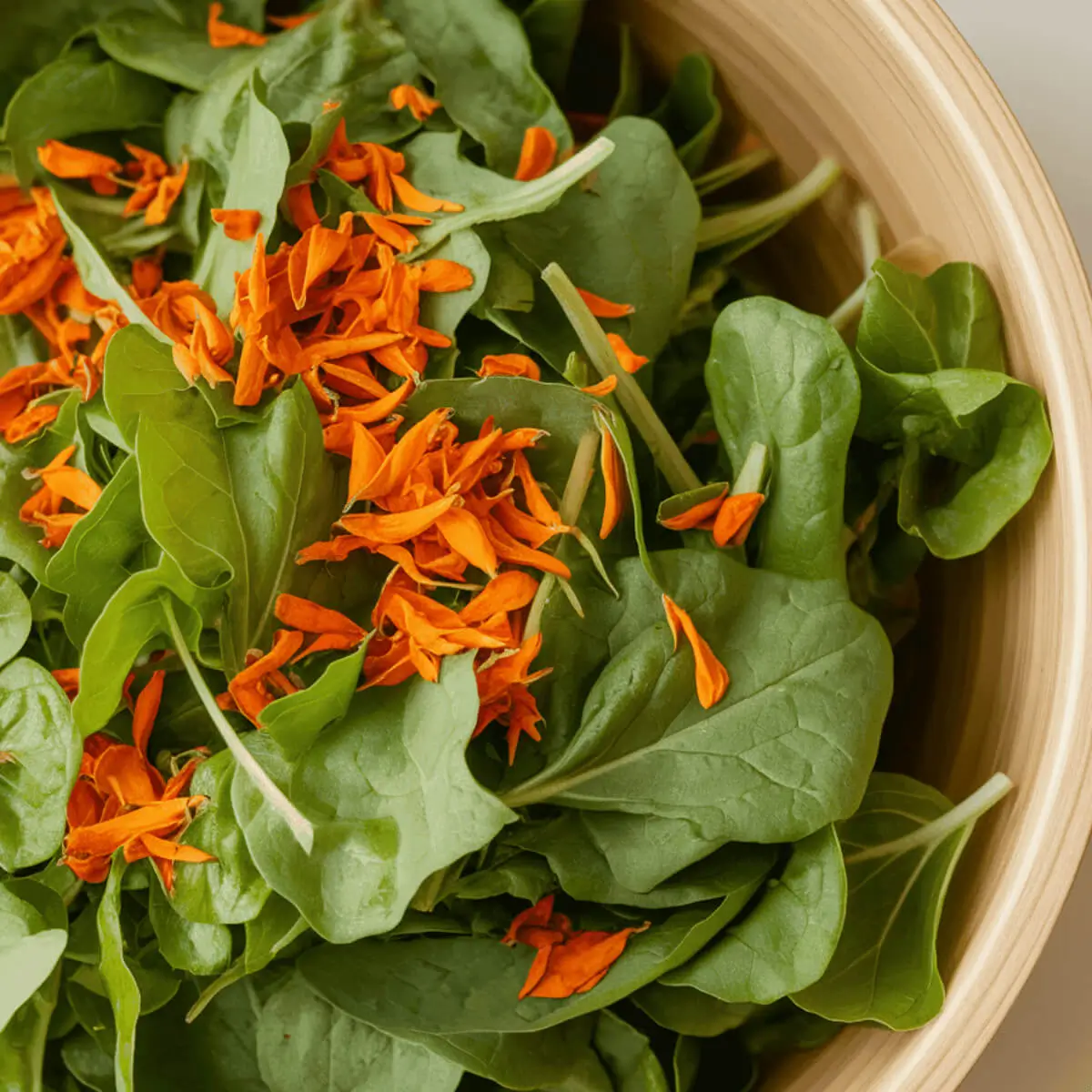
Calendula flowers are edible with mild, peppery petals that can be used fresh in salads or dried for teas. The vibrant petals are often used to add natural color to dishes and have traditionally been used as a saffron substitute in cooking.
Calendula offers dual benefits in the garden – their abundant blooms provide cheerful color, and when planted alongside vegetables, they help deter common garden pests like tomato hornworms and asparagus beetles.
Choosing the Best Calendula Variety for Medicine
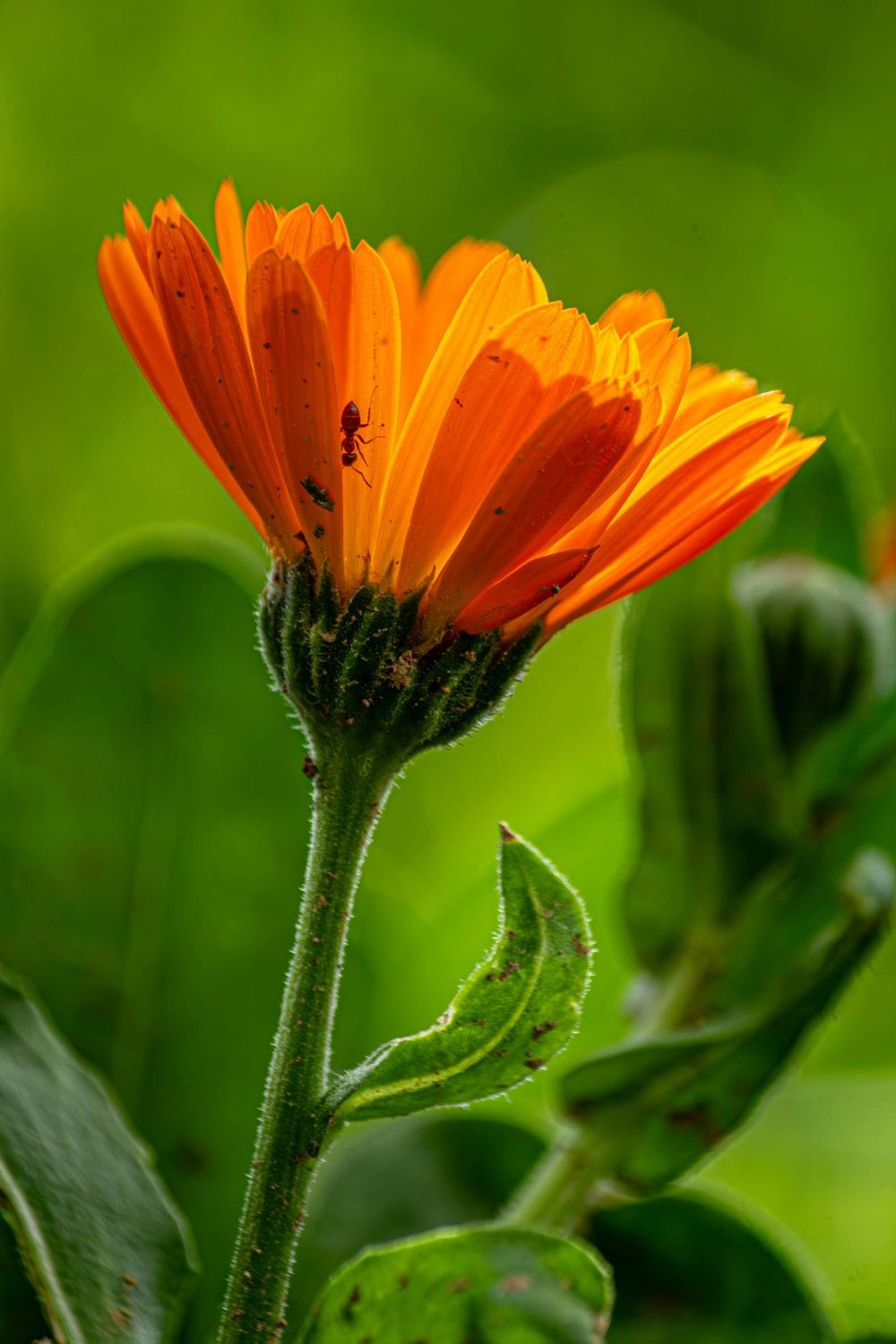
While all Calendula officinalis are edible and medicinal, some have been bred specifically for high resin content (the sticky stuff that heals!). If your goal is to make potent salves, choosing the right variety matters.
1. The Medicinal Powerhouse: Resina (or Alpha)
If you are growing for a medicine cabinet, this is the gold standard.
- Why Grow It: These blooms have the highest content of resins (sticky, antimicrobial compounds). When you touch the flower head, your fingers should feel tacky—that is the medicine!
- Appearance: Often has smaller, simpler yellow-orange flowers compared to showy ornamentals, but packs a much stronger punch for skin healing.
2. The Balanced Choice: Pacific Beauty
A wonderful dual-purpose variety that balances beauty with utility.
- Why Grow It: It produces large, double blooms in shades of apricot, cream, and orange. It has moderate resin content, making it great for beginner herbalists who also want a stunning cut-flower garden.
3. The Resin-Rich Heirloom: Erfurter Orangefarbige
An older commercial strain cultivated specifically for pharmaceutical use.
- Why Grow It: Known for its deep orange petals and exceptional yield of medicinal compounds.
4. The “Showy” Varieties (Pink Surprise, Touch of Red)

These are bred for unique colors (pinks and reds) rather than potency.
- Why Grow It: Perfect for edible flower garnishes in salads or simply enjoying their beauty. They can still be used in tea, but they are less potent for infused oils.
Grower’s Tip: For the most potent healing oil, look for varieties with deep orange petals, as they typically contain higher levels of carotenoids than the yellow or cream varieties.
What Do Calendula Seeds Look Like
Calendula flower seed are quite the curiosity. They are curved, rough-textured, and about 1/2 inch long. They have a distinctive C-shape, making them easy to identify when you’re ready to start planting or harvest calendula seeds from your mature plants.

How to Grow Calendula from seed
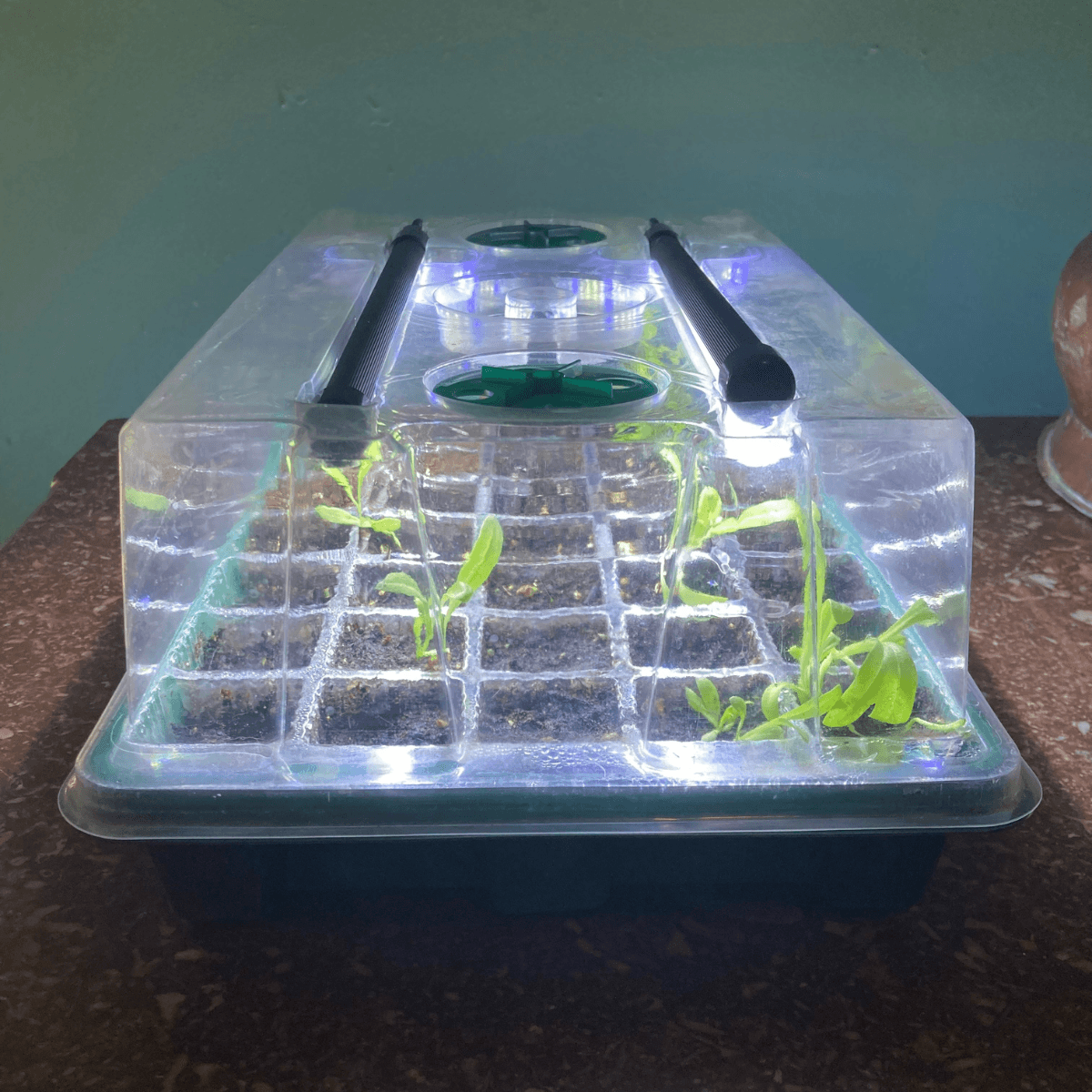
Calendula is beginner-friendly and easy to grow. You can sow the seeds directly outdoors in your garden once the soil is workable, or start them indoors in a seed tray under a domed cover for controlled moisture and faster germination. This flexibility makes it simple to grow healthy seedlings ready for transplanting.
Seeds can be obtained from mature seed pods shared by other gardeners or purchased from reputable sources.
I ordered my calendula seeds as part of Dr. Nicole Apelian’s Medicinal Garden Kit, which includes, medicinal-grade seeds selected specifically for healing herbs.
Get the Medicinal Garden Kit + free planting & remedies guide.
Calendula readily self-seeds, often producing volunteer plants that pop up in unexpected places throughout your garden the following spring. These volunteers can be easily transplanted while young, or you can leave them to create beautiful natural drifts of color.
While technically an annual, calendula can behave like a short-lived perennial in mild climates with proper deadheading. In zones 8-10, plants may bloom continuously nearly year-round, pausing only during the hottest months of summer.
Calendula grows quickly, taking just 45-60 days from seed to first bloom. Once established, they’ll flower continuously until frost, providing months of colorful blooms and medicinal flowers. It is a rewarding plant for any garden!
Calendula plants prefer well-draining soil but are adaptable to most conditions. Regular watering and deadheading spent blooms will keep them flowering abundantly.
In mild winters, calendula continues blooming. In cold regions, they die back after frost but will often self-seed for next year’s garden.
Calendula Seed Saving
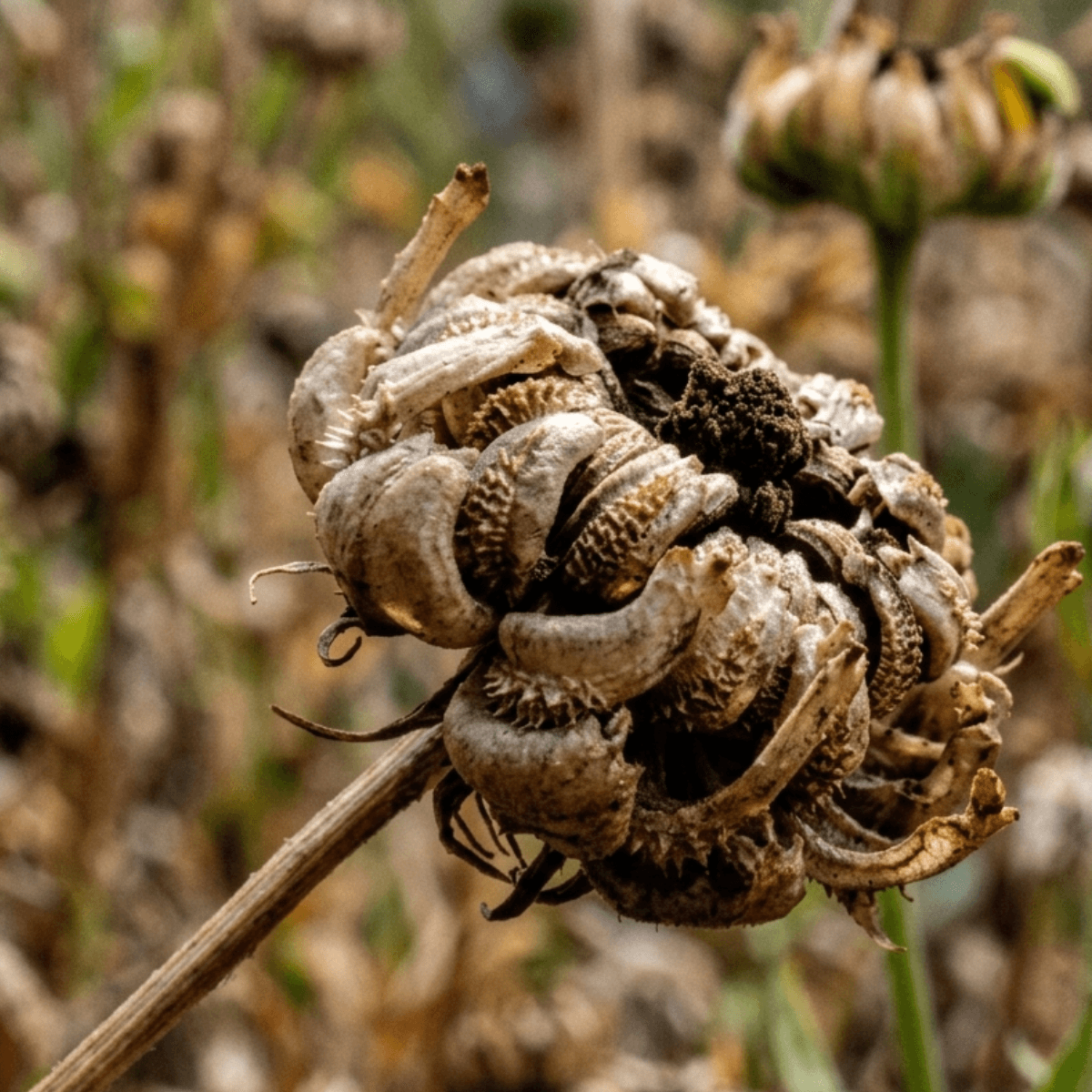
Wait until the flower heads are completely dry and brown, then collect the curved seeds from the center of the flower.
Harvesting Calendula Flowers
To harvest calendula flowers, pick the freshly opened blooms on a sunny morning when they’re dry, snipping the stem just below the calyx leaving a bit of stem attached.
After harvesting calendula blooms, they will continue producing. The more you pick, the more they grow.
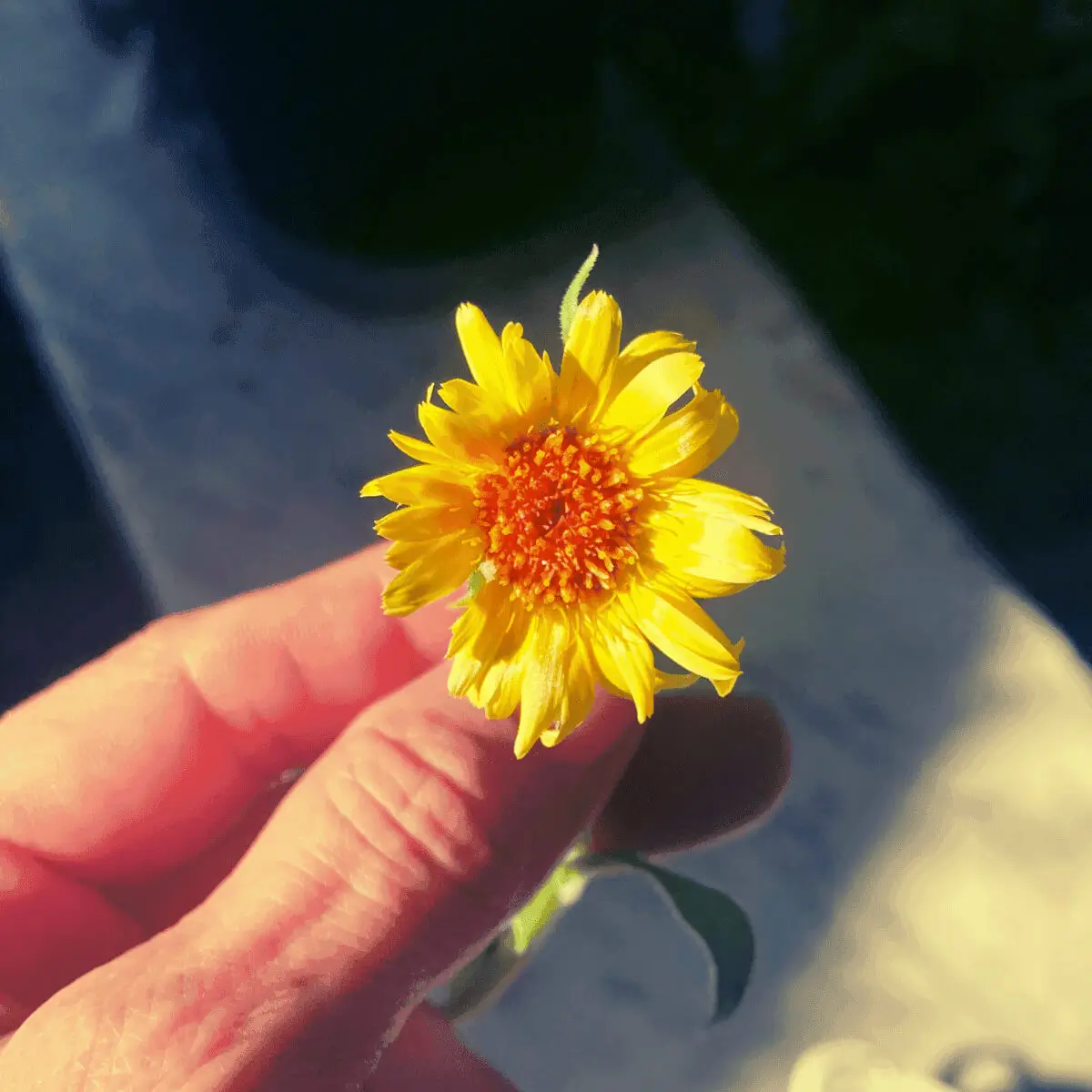
A healthy calendula plant will product dozens of blooms throughout the growing season, with a single plant producing 100-200 flowers over several months if regularly harvested.
While most flowers are harvested at peak bloom, it’s wonderful to let some go to seed – not only for their continued beauty in the garden, but also because they will self-seed readily, ensuring next season’s plants.
The pollinators, especially bees and butterflies, will thank you too!
Using high-quality flowers makes a big difference in how effective your salve is.
→ Learn how to grow calendula from seed at home
Turn Your Harvest into Medicine
Don’t let those beautiful blooms go to waste! Once you have harvested and dried your sticky, resinous flowers, the next step is to infuse them into a carrier oil. This “liquid gold” is the base for everything from diaper balm to eczema cream.
Once your calendula is harvested and dried, the next step is turning it into a powerful skin remedy.
→ Learn how to make calendula infused oil and salve step-by-step
Medicinal Uses and Benefits of Calendula
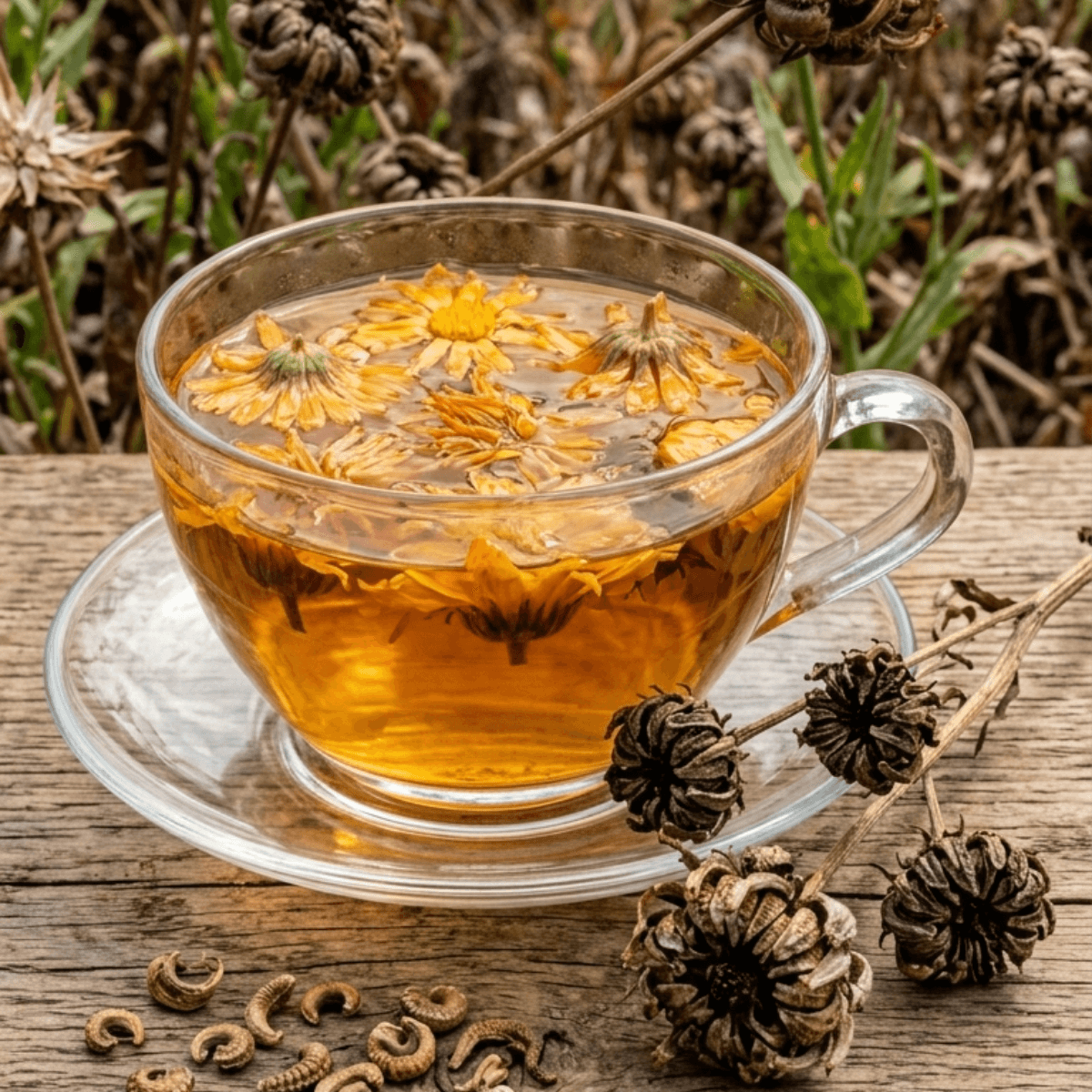
Calendula flowers can be used fresh or dried to create healing teas, tinctures, salves, and oils.
Their anti-inflammatory and wound-healing properties make them excellent for treating skin conditions, minor cuts, and burns.
You can infuse the petals in oil to make soothing calendula oil, which serves as a base for many natural skincare products and homemade remedies.
Add some dried flowers to hot water and make a tea. Calendula is known to support healthy lymphatic system and help reduce swelling in the body.
I hope this guide has inspired you learn more about growing and using calendula. It’s a wonderful medicinal herb that’s easy to grow in your garden and has so many beneficial uses.
Once your calendula is blooming, learn how to turn it into a healing balm with our Simple calendula salve recipe.
Quick Reference: Growing Calendula from Seed
| Basic Growing Information | Growing Conditions |
|---|---|
| Difficulty Level Easy | Light Requirements Full sun to partial shade |
| Time to Germination 5-10 days | Soil Type Well-draining, tolerates poor soil |
| Time to Maturity 45-60 days | Soil pH 6.0-7.0 |
| Plant Height 12-24 inches | Temperature Range 50-75°F (10-24°C) |
| Spacing 8-12 inches apart | Water Needs Moderate, drought tolerant once established |
| USDA Zones 2-11 |
Growing Locations
Container Growing: ✓ Excellent
Indoor Growing: ✓ Possible
Outdoor Growing: ✓ Ideal
Historical & Traditional Significance
Astrological Association: Sun (according to Culpeper)
Traditional Uses:
Skin healing, Anti-inflammatory, Wound care, Immune support