
Growing echinacea from seed is one of the most reliable ways to build a long-term medicinal garden. If you want strong, healthy plants with high potency, starting from seed gives you full control from the beginning.
If you want a simple way to get started, the Medicinal Herb Seed Kit includes Echinacea purpurea plus other essential healing herbs for a complete backyard setup.
Start Your Medicinal Garden the Simple Way
The Medicinal Herb Seed Kit includes Echinacea plus 9 essential herbs used in traditional herbal medicine.
How to Grow Echinacea from Seed (Quick Start)
| Growing Need | Requirement |
| Difficulty | Easy to Moderate |
| Light | Full Sun (6+ hours) |
| Germination | 10–20 days (needs light!) |
| Soil | Well-draining, pH 6.0–7.0 |
| Maturity | 2nd Year (Flowers) / 3rd Year (Medicinal Roots) |
| Spacing | 18–24 inches |
| Hardiness | USDA Zones 3–9 |
1. Understanding the Species
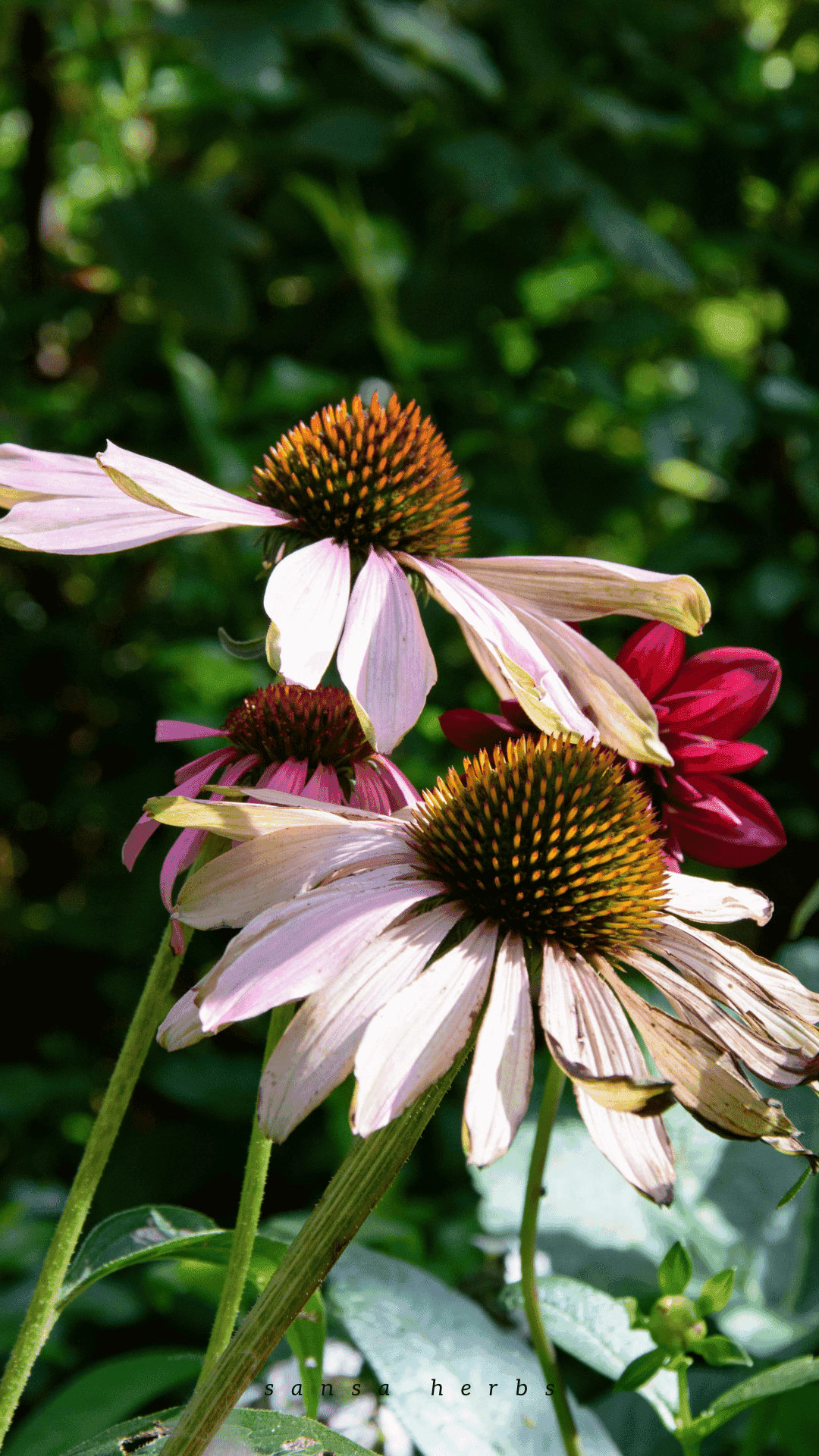
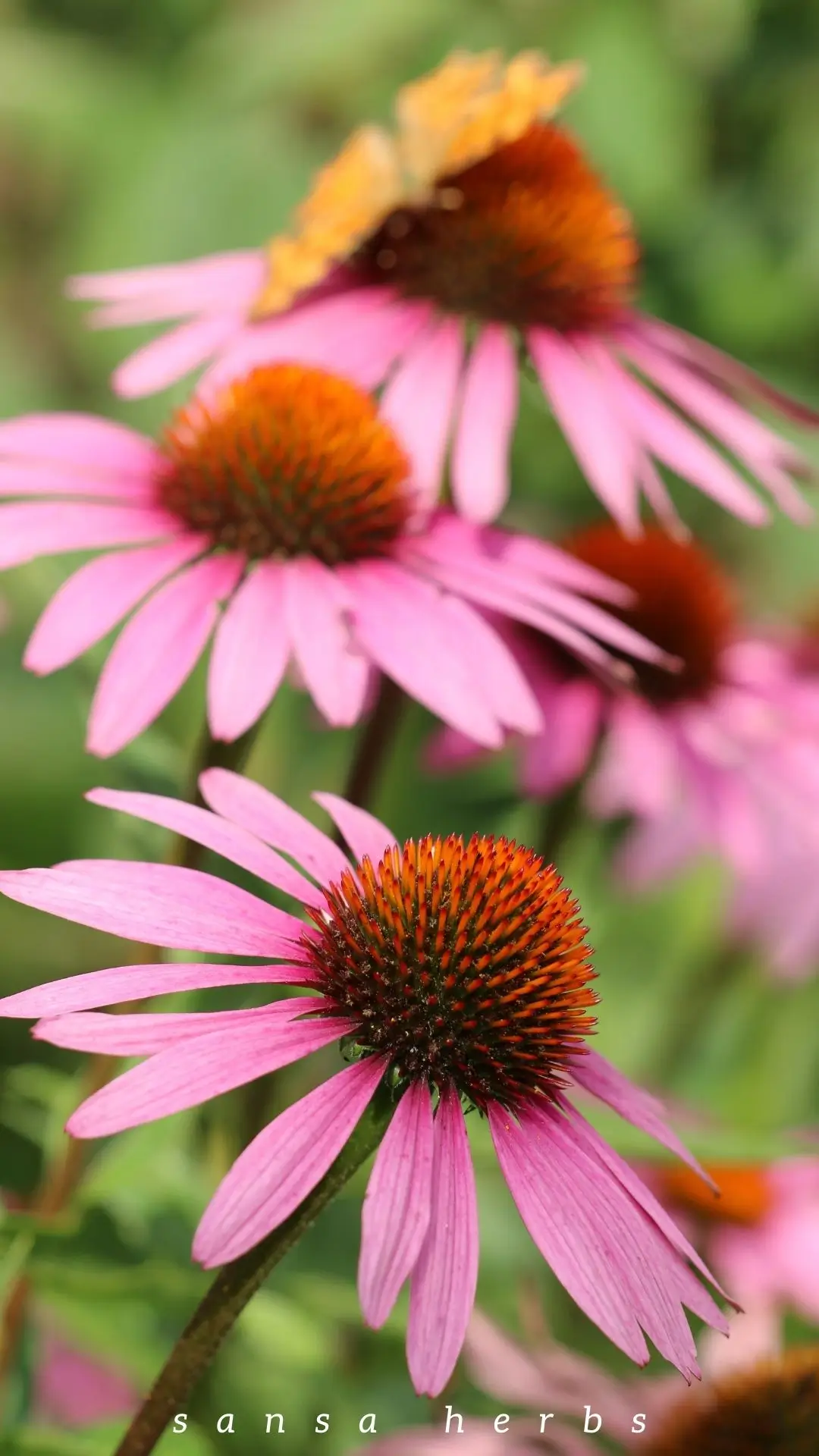
Before planting, it is essential to distinguish between the two most common species used in herbalism, as their growing requirements and potency differ.
- Echinacea purpurea: This is the most beginner-friendly variety. It has fibrous roots, is highly adaptable to various soil types, and is relatively easy to transplant. It is the most common species found in gardens.
- Echinacea angustifolia: Known for its deep taproot and high concentration of medicinal compounds, this species is more challenging to cultivate. It requires a longer period to establish and does not tolerate being moved once planted.
2. Growing Echinacea from Seed
Successfully starting Echinacea requires patience and attention to the plant’s natural lifecycle.
Cold Stratification
Echinacea seeds require a cold period to break dormancy.
- Mix seeds with damp sand or peat
- Store in the refrigerator for 4 to 6 weeks
Alternatively, sow outdoors in fall and allow natural winter conditions to stratify the seeds.
When to Start Indoors
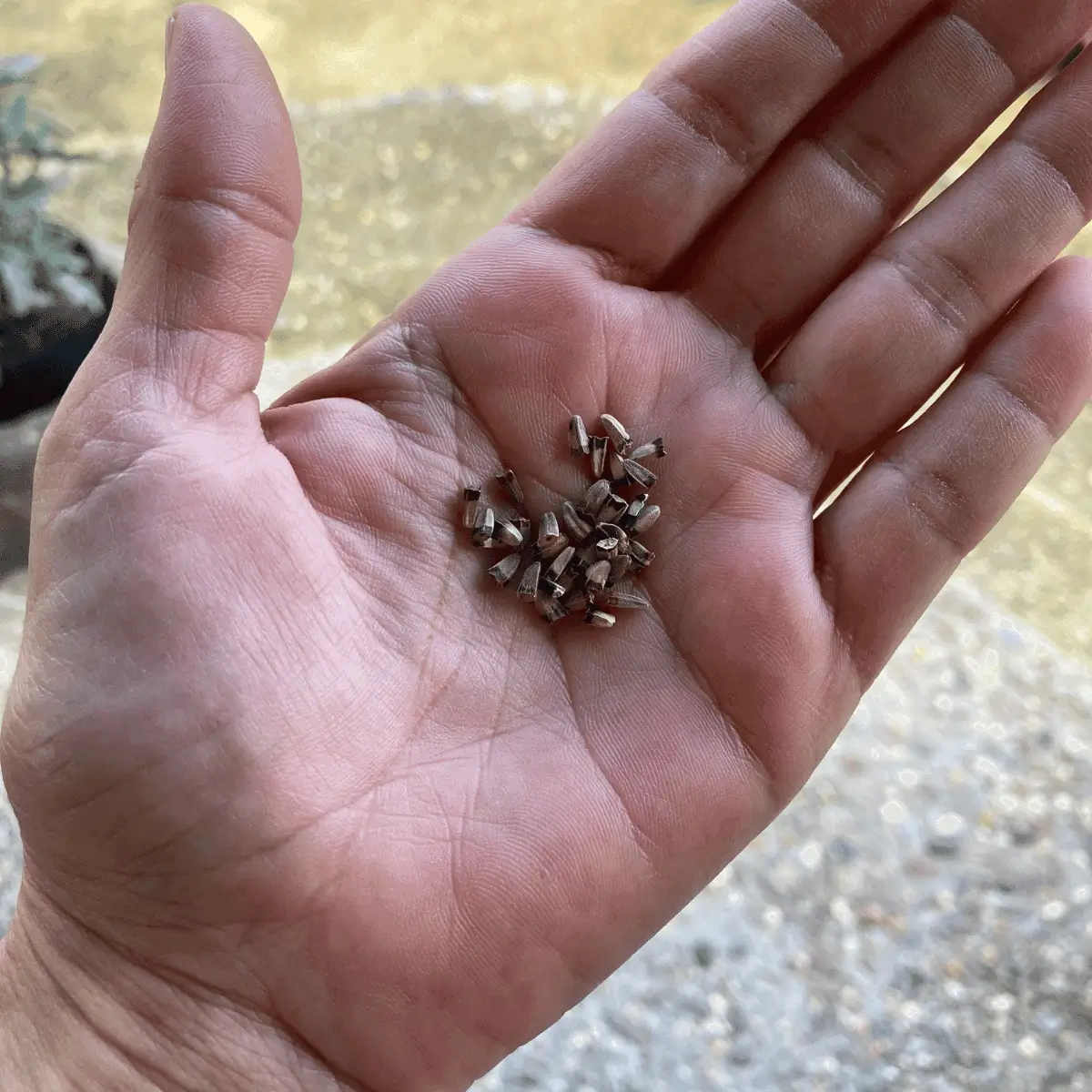
Start seeds indoors 6 to 8 weeks before your last frost date.
Press seeds lightly into the soil surface. Do not bury deeply, they need light to germinate.
Preventing Pests
High humidity can attract fungus gnats.
- Use well-draining soil
- Avoid overwatering
- Place yellow sticky traps if needed
Handling Seedlings Safely
Use the “leaf lift” technique.
Always handle seedlings by the leaves, not the stem, to prevent damage.
Build Your Herbal Garden Faster
Starting each herb individually takes time. If you want a complete medicinal setup, using a curated seed kit ensures all key herbs are included from the beginning.
Explore the Medicinal Herb Seed Kit →
3. Transplanting and Soil Health
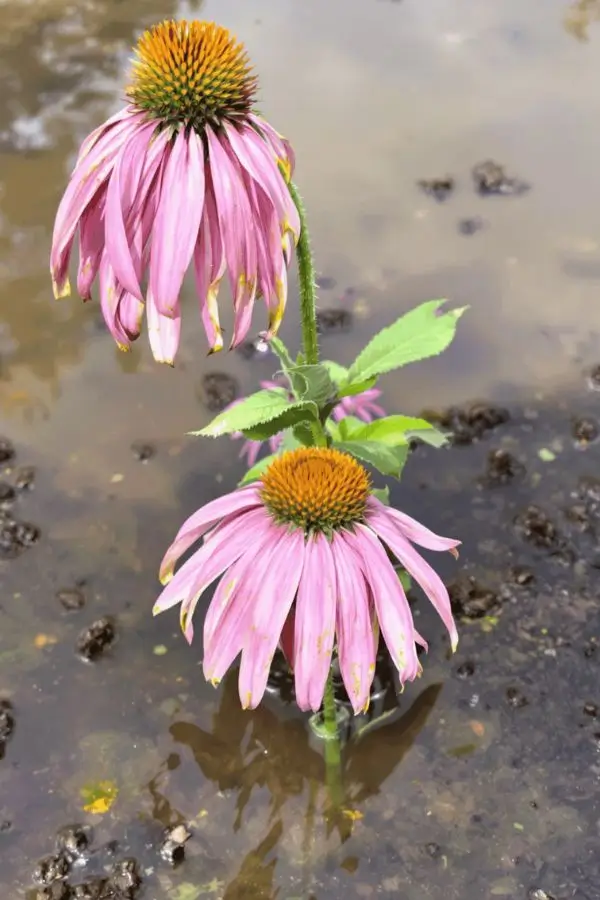
Echinacea is resilient, but soil conditions are critical.
The Wet Feet Rule
The most common cause of failure is poor drainage.
- Avoid waterlogged soil
- Ensure proper drainage in beds or containers
Soil Temperature
Wait until soil temperatures reach at least 55°F before transplanting.
Hardening Off
Gradually introduce seedlings to outdoor conditions over 7 to 10 days.
This reduces transplant shock and improves survival rates.
4. Maintenance and Winter Care
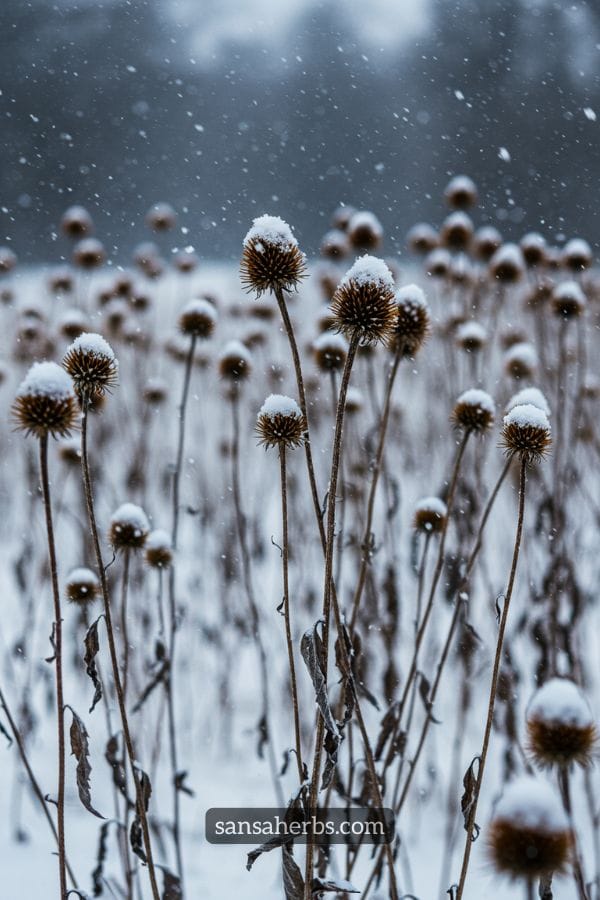
Once established, echinacea requires minimal maintenance.
Winter Protection
Leave seed heads standing through winter.
- Provides insulation
- Feeds birds like goldfinches
Mulching Guidelines
Apply about 3 inches of mulch only after the ground freezes.
This prevents frost heave and protects the root system.
5. Building a Garden Ecosystem
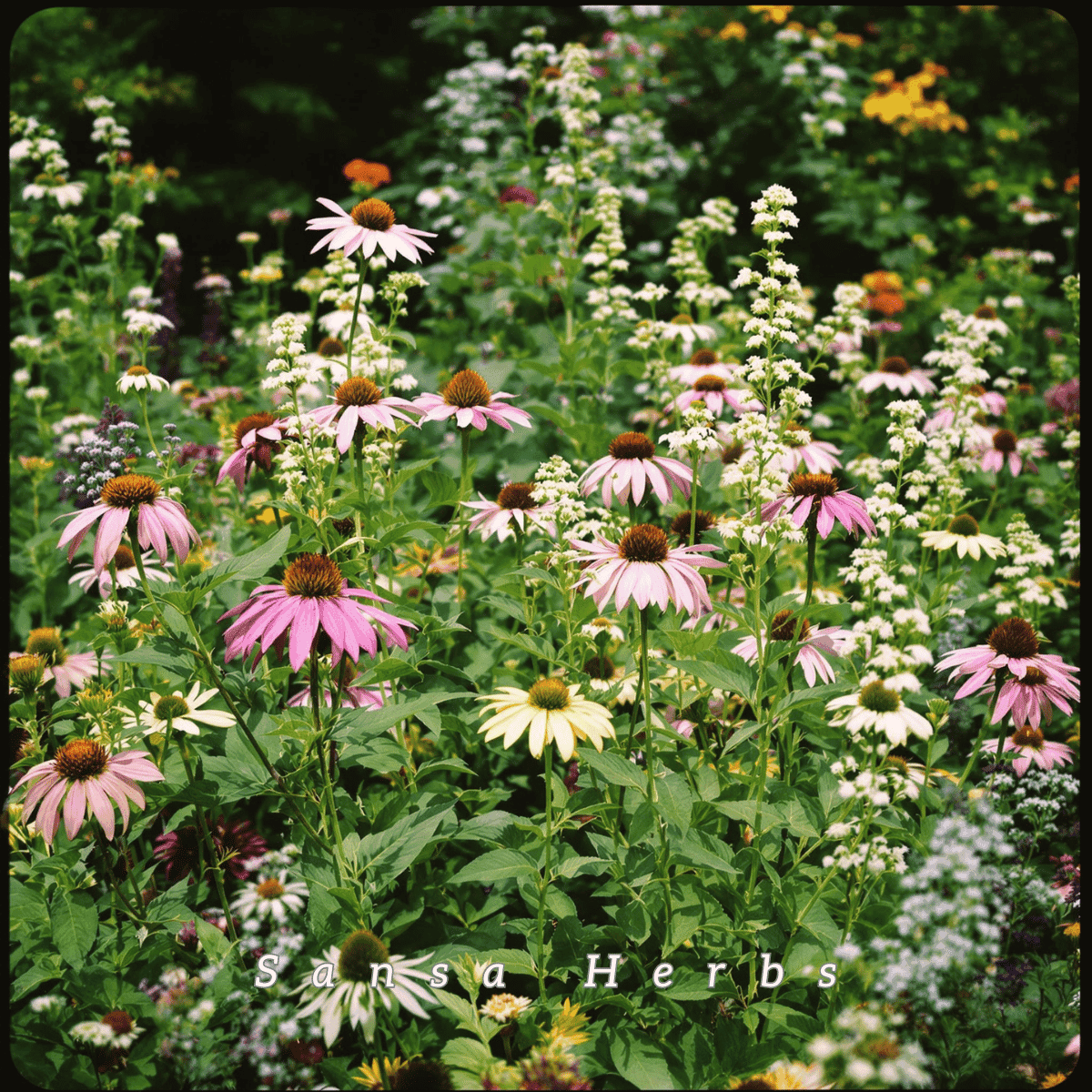
Echinacea performs best as part of a diverse medicinal garden.
Companion Plants
- Catmint or Gaillardia, act as living mulch
- Calendula, attracts aphids away from echinacea
- Yarrow, attracts beneficial insects
Succession Planning
Combine with early and late bloomers to support pollinators throughout the season.
What to Avoid
- Ferns and hostas, prefer damp conditions
- Tomatoes, heavy feeders that compete for nutrients
If you are planning to expand beyond a few plants, it helps to plan your medicinal herb garden layout so each herb has the right space, sunlight, and growing conditions.
If you are planning a full medicinal garden, it helps to plan your medicinal herb garden layout so each plant has the right space, sunlight, and growing conditions.
The Medicinal Herb Seed Kit is designed to give you that full ecosystem from the start →
6. Harvesting and Preparing Medicine
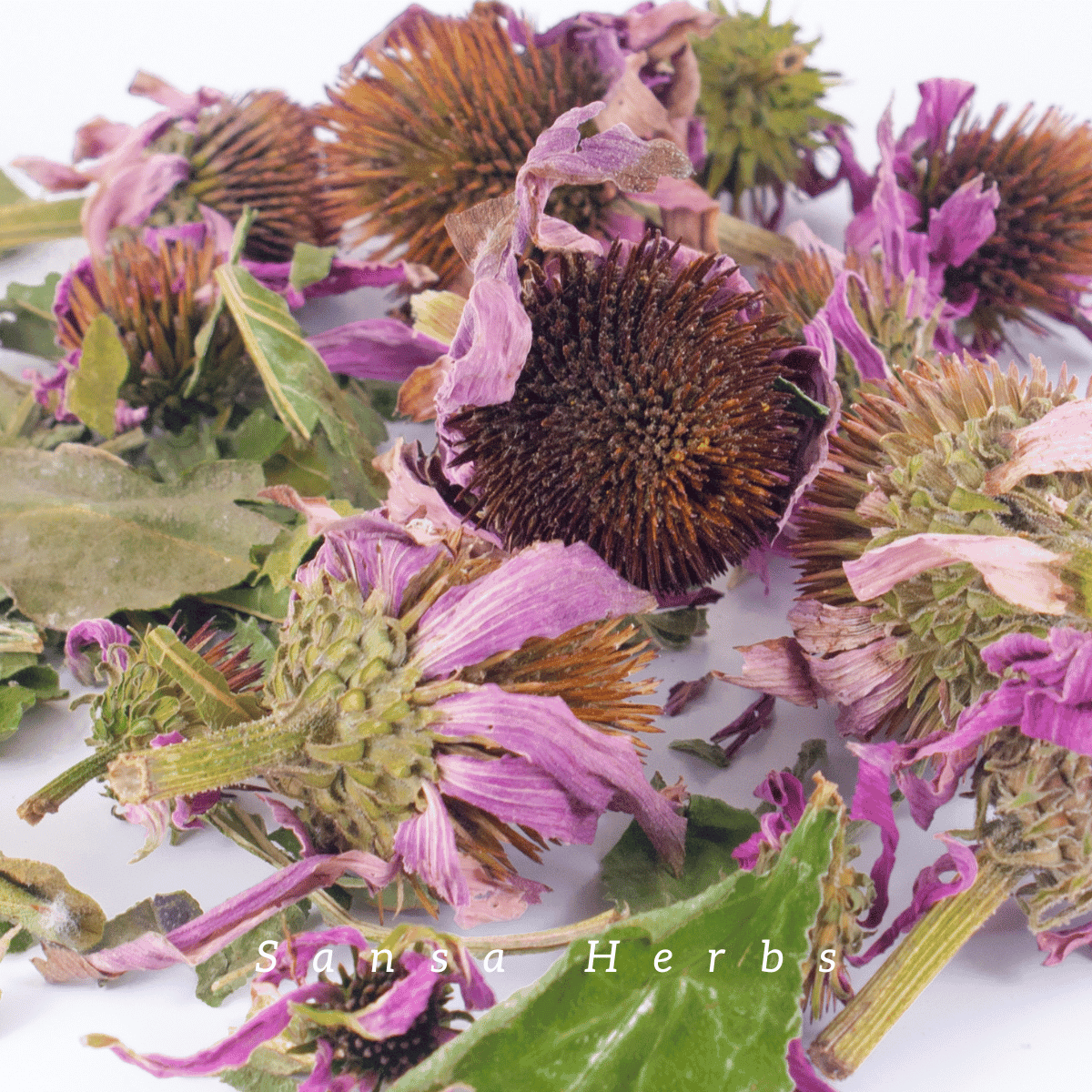
The true value of echinacea lies in its ability to support immune function.
Active compounds such as polysaccharides and alkamides stimulate immune response by increasing white blood cell activity. This is why echinacea is commonly used at the first sign of seasonal illness.
The “Echinacea Zing”
A high-quality harvest produces a tingling sensation on the tongue.
This indicates the presence of active medicinal compounds.
Herbal Synergy: For enhanced respiratory support, Echinacea is traditionally paired with Goldenseal. If you are dealing with a dry, scratchy throat, try blending your Echinacea tea with Marshmallow Root for a soothing effect.
If you want to go beyond a single herb, you can build a backyard tea garden with a few key medicinal plants that work well together.
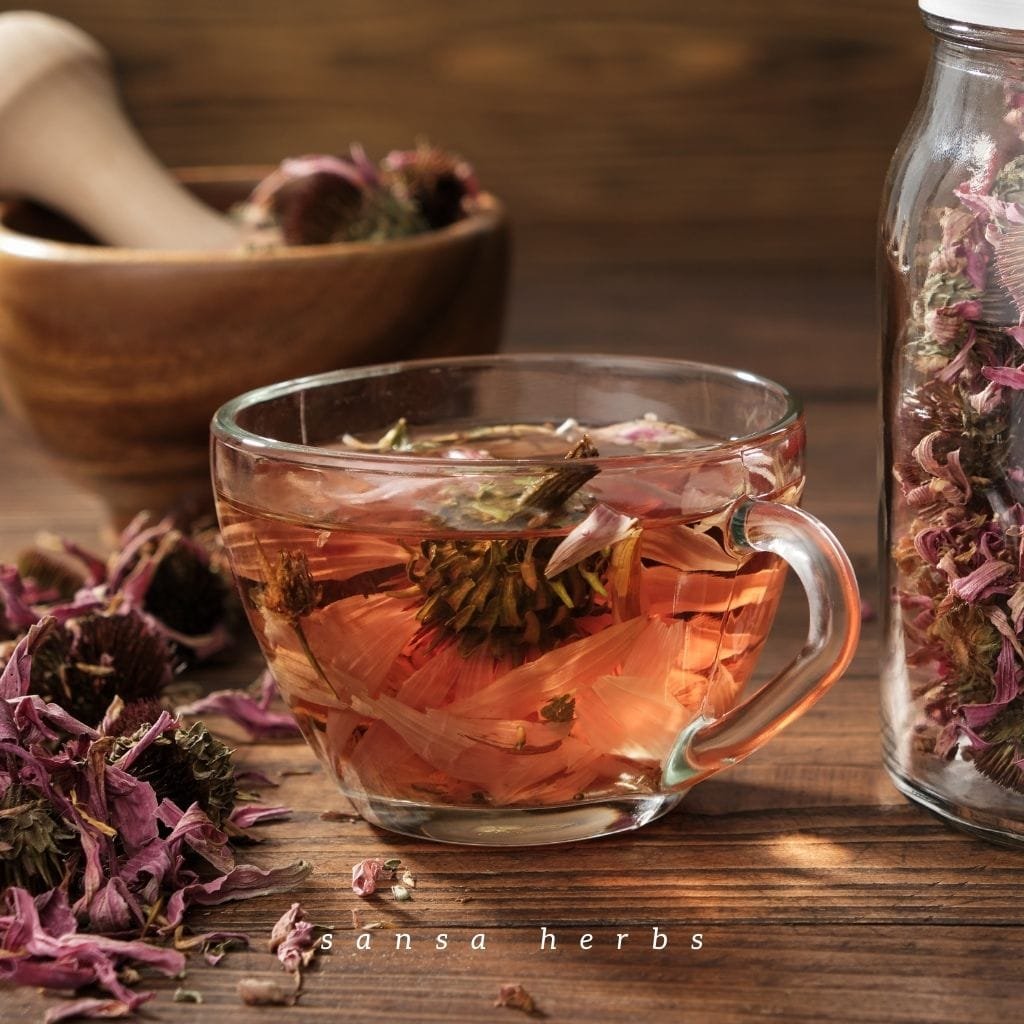
Tinctures and Teas
Tinctures
Use a 1:5 ratio of dried root to alcohol for extraction.
Teas
Use water around 185°F to preserve delicate compounds.
7. Safety and Guidelines
Echinacea should be used thoughtfully.
- Cycle usage, 8 to 12 weeks on, followed by a break
- Consult a professional if you have autoimmune conditions or take immunosuppressants
Once your echinacea is established, expanding into other medicinal herbs becomes much easier. Starting with a structured seed collection simplifies the process.
Browse the Medicinal Herb Seed Kit →
Growing Echinacea from Seed FAQ
Harvest roots in the autumn of the third year after the first frost, when medicinal compounds are most concentrated.
Cold stratification is often skipped. Seeds need 4 to 6 weeks of cold and light exposure to germinate properly.
It is considered moderate. Choosing Echinacea purpurea makes the process much easier for new growers.
Yes, use a container at least 12 inches deep with excellent drainage to support root development.
Growing echinacea from seed is not only a gardening skill, it is a long-term investment in your home apothecary. With the right setup, you can maintain a consistent, self-sustaining source of medicinal herbs for years to come.
Ready to start growing?
Get your non-GMO Echinacea purpurea seeds in the Medicinal Garden Kit and start your backyard pharmacy today!