
Designing a medicinal herb garden layout is the first step to creating a backyard space that is both beautiful and practical. With the right structure, you can grow herbs for teas, remedies, and everyday wellness, all in one organized system.
A simple layout starts with placing taller medicinal plants like echinacea and fennel at the back, mid-sized herbs in the center, and low-growing plants like calendula and thyme along the edges. This creates a garden that is easy to maintain, harvest, and expand over time.
Start Your Medicinal Garden the Easy Way
If you want to build this layout without sourcing seeds individually, a complete medicinal herb seed kit gives you everything you need to get started.
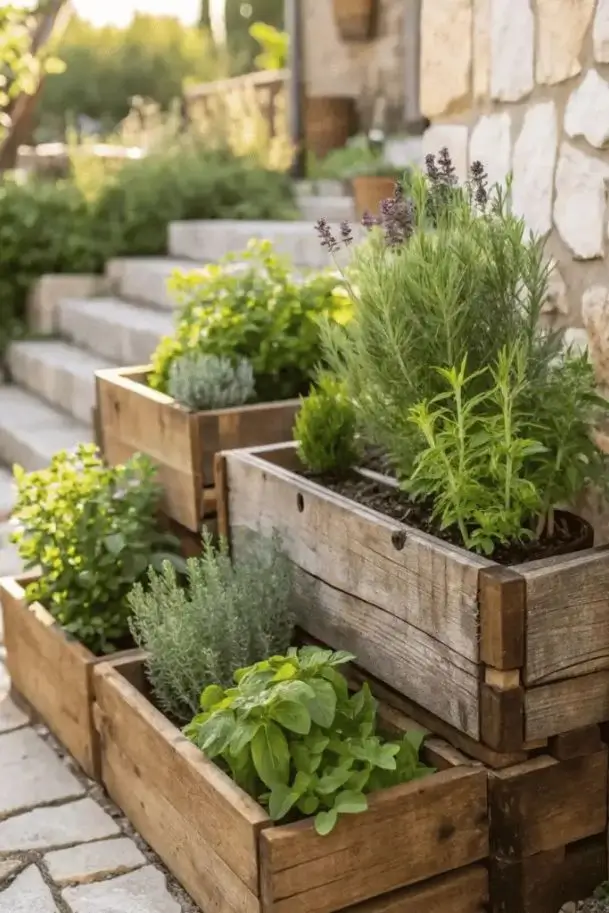
The Perfect Medicinal Herb Garden Layout
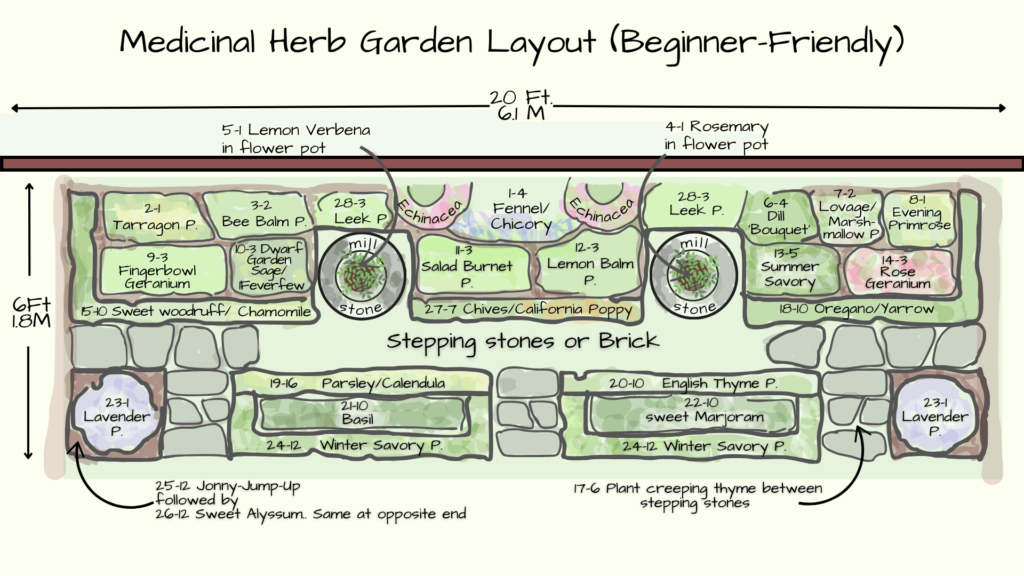
This layout is designed for both function and accessibility, whether you are working with a small backyard bed or a larger garden space.
1. Structure with Height
Start by placing taller herbs at the back of your garden bed:
- Echinacea
- Fennel
- Chicory
These plants form the “backbone” of your medicinal herb garden layout and return year after year.
2. Mid-Layer Functional Herbs
Perennials are the anchors of your layout. They return year after year, providing structure.
- Chamomile
- Marshmallow
- Feverfew
3. Low-Growing Border Herbs
Use smaller herbs along the edges to define your layout:
- Calendula
- Thyme
- Oregano
These plants help protect soil, attract pollinators, and complete the visual structure of your garden.
Want a simple way to get started with key medicinal herbs?
Get the Medicinal Herb Seed Kit
Mapping Your Medicinal Herbs to the Layout
A structured layout works best when you start with a core set of medicinal herbs, then expand over time.
If you’re using a medicinal herb seed kit, you already have several key plants to build your layout:
- Back row (height and structure)
- Echinacea and chicory provide vertical growth and long-term stability
- Mid-layer (functional herbs)
- Chamomile, marshmallow, and feverfew are easy to access for regular harvesting
- Borders and edges (low-growing support)
- Calendula works well along edges, helping attract pollinators and support plant health
As your garden develops, you can gradually add additional herbs like thyme, oregano, or lemon balm to fill in remaining space and customize your layout.
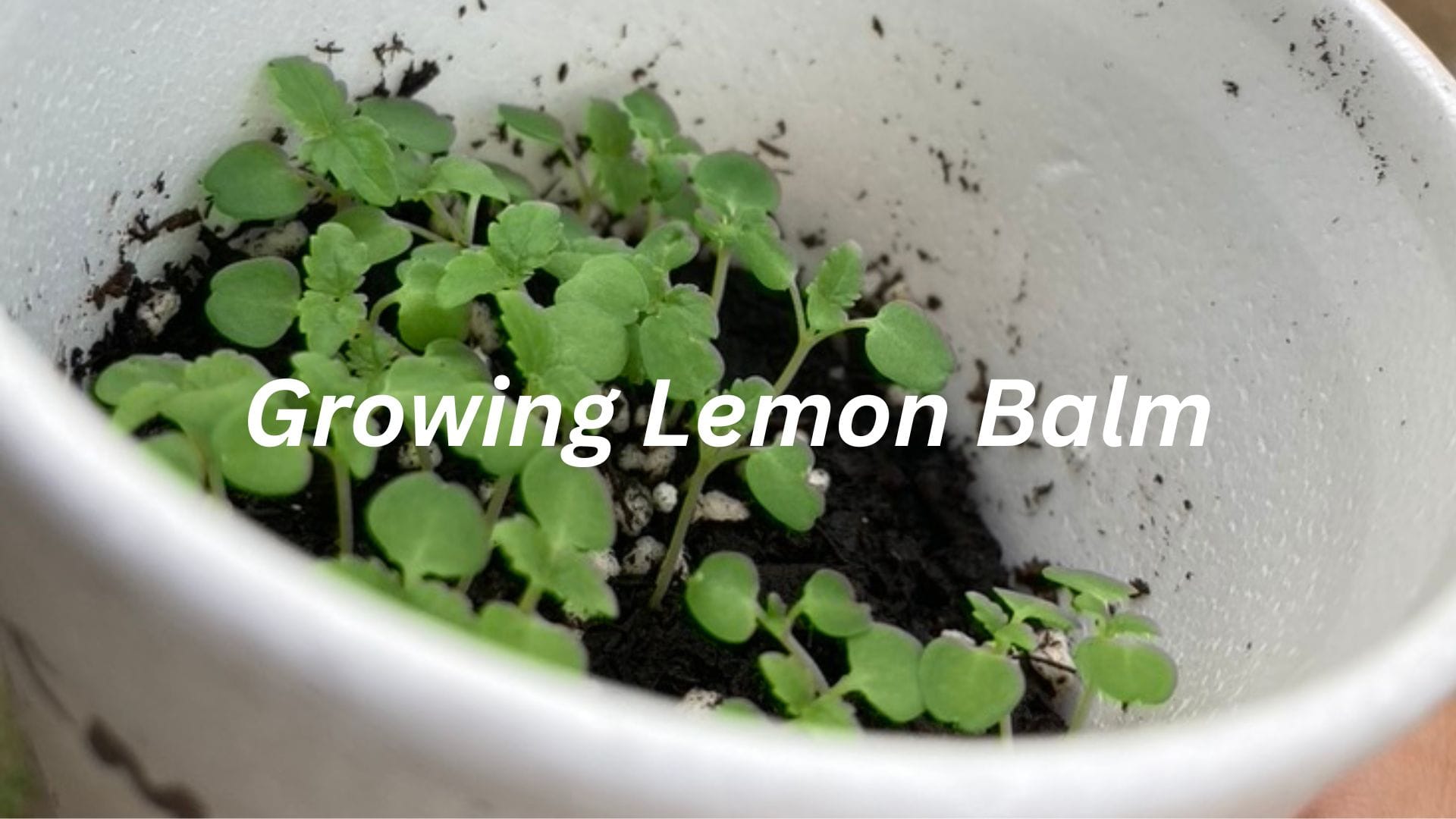
Learn how to grow lemon balm from seed
List of Culinary & Medicinal Herbs shown in the Herb Garden Layout
1-4 (P): Foeniculum vulgare, Fennel & Cichorium intybus, Chicory
Fennel: Eases bloating and indigestion, supports hormonal balance.
Chicory: Gentle liver cleanser, promotes healthy digestion and gut flora.
2-1 (P): Artemisia dracunculus var. sativa, Tarragon
Tarragon: Appetite stimulant with mild antimicrobial and calming effects.
3-2 (P): Monarda didyma, Bee Balm
Bee Balm: Antiseptic, soothing for colds, coughs, and digestive upset.
4-1: Rosmarinus officinalis, Rosemary (in flowerpot)
Rosemary: Boosts memory and focus, stimulates circulation, relieves headaches.
5-1: Aloysia triphylla, Lemon Verbena (in flowerpot)
Lemon Verbena: Calms anxiety, helps with digestion and sleep.
6-4 (P): Anethum graveolens ‘Bouquet’, Dill Bouquet
Dill: Eases gas and cramps, supports digestion and freshens breath.
7-2 (P): Levisticum officinale, Lovage & Althaea officinalis, Marshmallow
Lovage: Acts as a diuretic and supports urinary health.
Marshmallow: Soothes mucous membranes and irritated skin.
8-1: Chrysanthemum balsamita, Costmary or Oenothera biennis, Evening Primrose
Costmary: Used for headaches and menstrual discomfort.
Evening Primrose: Source of GLA, supports skin and hormonal health.
9-3 (P): Pelargonium x ‘Lemon Fancy’, Fingerbowl Geranium
Fingerbowl Geranium: Fragrant and uplifting, traditionally used for refreshing hand rinses.
10-3 (P): Salvia officinalis, Dwarf Sage & Tanacetum parthenium, Feverfew
Dwarf Sage: Antibacterial, used for sore throats and digestion.
Feverfew: Known for preventing migraines and easing inflammation.
11-3 (P): Poterium sanguisorba, Salad Burnet
Salad Burnet: Refreshing cucumber-like flavor, mildly astringent for wound care.
12-3 (P): Melissa officinalis, Lemon Balm
Lemon Balm: Calming nervine, helpful for anxiety, sleep, and viral infections.
13-5 (P): Satureja hortensis, Summer Savory
Summer Savory: Aids digestion and has antimicrobial properties.
14-3 (P): Pelargonium graveolens, Rose Geranium
Rose Geranium: Balances skin and hormones, lifts the mood with its floral scent.
15-10 (P): Galium odoratum, Sweet Woodruff & Matricaria chamomilla (or Chamaemelum nobile), Chamomile (P)
Sweet Woodruff: Calming and mildly sedative.
Chamomile: Gentle digestive and nervine tonic, supports sleep.
16-1: Lycopersicon lycopersicum var. cerasiforme, Cherry Tomato (trained on trellis) or Echinacea purpurea (or Echinacea angustifolia), Echinacea (P)
Cherry Tomato: Rich in antioxidants and garden-fresh flavor.
Echinacea: Immune-stimulating and supports recovery from colds.
17-6 (P): Thymus praecox subsp. arcticus ‘Albus’, Plant Creeping Thyme (between steppingstones)
Creeping Thyme: Fragrant ground cover with antimicrobial qualities.
18-10 (P): Origanum heracleoticum, Greek Oregano & Achillea millefolium, Yarrow
Greek Oregano: Potent antimicrobial and digestive aid.
Yarrow: Stops bleeding, tones tissues, and supports fevers.
19-16: Petroselinum crispum var. crispum ‘Banquet’, Parsley Banquet & Calendula officinalis, Calendula
Parsley: Rich in nutrients, supports kidney and liver health.
Calendula: Soothes skin and promotes healing.
20-10 (P): Thymus ‘Broad-leaf English’, English Thyme
English Thyme: Strong antiseptic, great for colds and coughs.
21-10: Ocimum basilicum, Basil
Basil: Uplifting, supports digestion, and acts as an adaptogen.
22-10: Origanum majorana, Sweet Marjoram
Sweet Marjoram: Relaxes muscles and nerves, good for pain and digestion.
23-1 (P): Lavandula angustifolia, Lavender
Lavender: Calming and anti-inflammatory, promotes sleep and skin health.
24-12 (P): Satureja montana, Winter Savory
Winter Savory: Warming and antimicrobial, often used for indigestion.
25-12: Viola tricolor, Johnny-jump-up
Johnny-jump-up: Gentle skin remedy, supports respiratory and urinary health.
26-12: Lobularia maritima, Sweet Alyssum
Sweet Alyssum: Attracts pollinators and used ornamentally, mild calming scent.
27-7 (P): Allium schoenoprasum, Chive & Eschscholzia californica, California Poppy
Chive: Adds flavor and mild antibacterial action.
California Poppy: Non-addictive sedative, supports nervous system.
28-3 (P): Allium ampeloprasum, Porrum Group, Leek
Leek: Supports cardiovascular health and digestion.
From Dream to Dirt: How to Blueprint Your Layout
Now that you’ve chosen your seeds and seen the 2026 layout blueprint, it’s time to customize it for your specific space. Using grid paper might seem like a throwback to math class, but it’s an invaluable too for ensuring your garden is both beautiful and functional.
Why Grid Paper is Essential
Grid paper allows you to visualize your garden’s dimensions accurately. This helps you avoid overcrowding, ensure each plant has ample space to thrive, and create a balanced, visually appealing layout. Imagine trying to fit a sprawling rosemary bush into a space meant for a delicate thyme, grid paper helps prevent these planting mishaps.
Gathering Your Planning Tools
To plan your medicinal herb garden layout effectively, you only need a few simple tools:
- Grid paper, to map out your garden dimensions
- Tracing paper, to sketch and refine your layout
- Pencil, for easy adjustments as you plan
- Ruler, to keep spacing accurate
These basic tools help you visualize your garden clearly and avoid overcrowding before planting.
Determining Your Scale
Scale is crucial. It represents the relationship between the dimensions on your paper and the actual size of your garden. For example, you might choose a scale of 1/4 inch = 1 foot. This means that every 1/4 inch on your paper represents 1 foot in your garden. Adjust the scale based on your garden’s size and the paper you’re using.
Laying the Foundation: The Perennial “Skeleton”
Think of perennials as the “skeleton” of your herb garden. These plants return year after year, providing structure and visual interest even when annuals are out of season. Using them to create the skeleton of your garden, allows for year-round interest.
Why Perennials?
- Stability: They establish a consistent framework for your garden, ensuring it remains appealing throughout the seasons.
- Structure: They provide height, texture, and form, creating a backdrop for your annual herbs.
- Longevity: They minimize the need for replanting, saving you time and effort.
Plotting Your Perennials:
- On your grid paper, begin by outlining the shape of your garden beds.
- Using your chosen scale, mark the locations of your perennial plants.
- Consider their mature size and growth habits. For example, a tall lavender plant might be placed at the back of a bed, while a low-growing sage could be used as a border.
- Use the chart you created to help determine the correct spacing.
Adding the Details: Annuals and Edging
Once your perennial “skeleton” is in place, you can add the details:
- Annuals: These provide seasonal color and variety. Use your grid paper to plot their locations, ensuring they complement your perennials.
- Edging Plants: These define the borders of your beds and create a polished look. Use your ruler to accurately measure and mark the edges, ensuring enough space for your chosen edging plants.
Tips for Success
- Don’t be afraid to experiment with different layouts.
- Remember that your plan is a guide, not a rigid rule.
- Pay attention to sunlight and shade patterns in your garden.
- Use your plant chart to help with spacing and height.
By taking the time to plan your herb garden on grid paper, you’ll create a well-organized and visually stunning space that you’ll enjoy for years to come.
Tips for Growing Your Medicinal Herb Garden
- Start Small: If you’re new to gardening, begin with a few easy-to-grow herbs.
- Choose the Right Location: Most herbs prefer full sun (at least 6 hours a day) and well-drained soil.
- Prepare the Soil: Amend the soil with compost to improve fertility and drainage.
- Water Wisely: Water your herbs deeply but less frequently to encourage root growth.
- Harvest Regularly: Regular harvesting encourages new growth and keeps your herbs productive.
- Consider Raised Beds: A Medicinal Herb Garden Layout Raised Bed can improve drainage and make gardening easier.
- Fall Planting: Some herbs, like sage and thyme, can be planted in the fall.
Want a complete system to start your medicinal herb garden? Get the Medicinal Herb Seed Kit
Recommended Raised Bed for This Layout
A raised bed can make your medicinal herb garden layout easier to manage, especially for drainage and weed control.
A simple galvanized steel planter (around 4’ x 2’ x 2’) works well for this type of layout, giving enough depth for herbs like marshmallow and chicory to develop strong roots.
Optional: If you’re building this layout in a raised bed, here’s a simple option that works well.
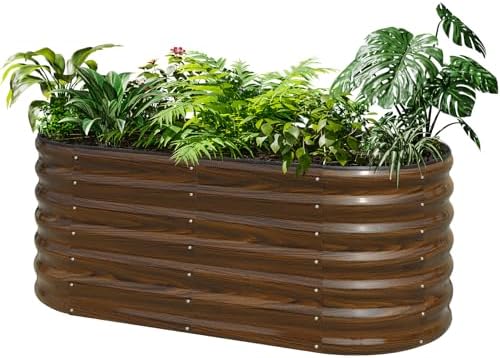
Weather Resistant
✅ Open-bottom for natural drainage and root health
✅ Easy assembly
✅ Neutral design fits any garden
Not sure if galvanized steel is right for you? See my full breakdown of the Best Raised Garden Beds for 2026 here.
Expand Your Medicinal Herb Garden
Once your core garden is established, you can expand by adding additional herbs for variety, flavor, and specific remedies.
- Creeping thyme seeds → great for borders and pathways
- lemon balm seed pack → ideal for calming herbal teas
- Bee balm (wild bergamot) → a traditional medicinal herb used in herbal infusions
Continue Building Your Medicinal Garden
Herb Garden Layout: FAQ’S
A 4’x4′ or 4’x8′ galvanized steel bed is perfect. It improves drainage and protects your healers from invasive weeds.
Yes. Even a one-acre homestead layout should prioritize a “Kitchen Apothecary” near the back door for quick access during cooking or first-aid needs.
Most medicinal herbs grow best in temperate climates. In hotter or tropical areas, they can still grow with partial shade, good airflow, and regular pest monitoring.
Yes, but they perform best in cooler climates. In warmer regions, simple adjustments like shade and well-draining soil help them thrive.
CRITICAL SAFETY WARNINGS
Your Healing Journey Begins Here
Creating a Herbal Garden is a rewarding experience that brings health, beauty, and tranquility to your life. With this beginner-friendly Herb Garden Layout, you can easily start Growing A Medicinal Herb Garden and enjoy the countless benefits of Medicinal Herbs.
Remember, gardening is a journey, not a race. Start small, learn as you go, and enjoy the process of creating your own Herb Garden. Happy gardening!