
Calendula (Calendula officinalis) is a truly powerful and versatile herb. While famous for its vibrant orange blooms, it is most prized for its ability to soothe and repair skin. This comprehensive mastery guide details its core benefits and provides step-by-step instructions for the most rewarding DIY remedies, including our foolproof calendula salve recipe, infused oils, and healing soaks.
Our journey began with Dr. Nicole Apelian’s Medicinal Garden Kit, and since then, we’ve used Calendula in everything from homemade salves to salad toppings. This comprehensive guide details its core benefits and provides step-by-step instructions for the most rewarding DIY remedies.
Start Your Healing Garden with One Click
Before you hunt for individual ingredients, remember that Calendula is one of 10 essential herbs needed for a complete home pharmacy.
Don’t waste time hunting for seeds! The Medicinal Garden Kit includes premium Calendula seeds plus a complete guide on how to turn your harvest into tinctures and salves.
Calendula’s Core Healing Benefits
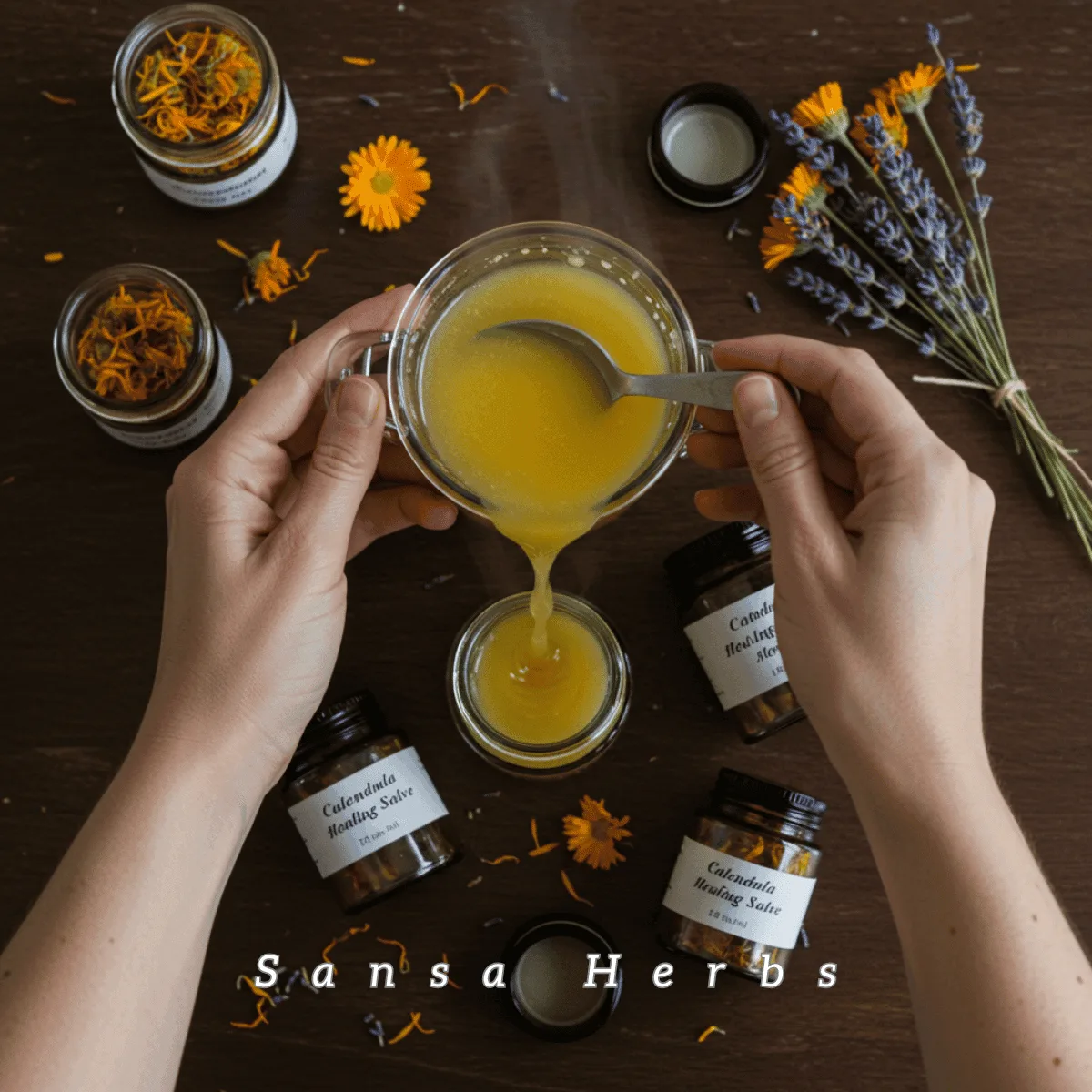
Calendula has been treasured for centuries for its gentle, healing properties. Its vibrant blooms contain powerful flavonoids that deliver targeted support for common skin concerns:
- Skin Repair: Calendula’s compounds accelerate wound closure and tissue repair, making it ideal for minor cuts and scrapes.
- Natural Antiseptic: Possesses antimicrobial properties that help protect vulnerable skin post-procedure or from minor infections.
- Soothing Inflammation: Its natural anti-inflammatory power reduces redness and swelling associated with acne, irritation, and dryness.
The DIY Recipe Hub
What is Calendula Oil?
Calendula oil is an herbal infusion made by steeping dried calendula flowers in a carrier oil like olive, coconut, or jojoba. The flowers release their active compounds (anti-inflammatory flavonoids, soothing triterpenoids, and healing carotenoids) into the oil, creating a versatile remedy.
1. How to Make Calendula Oil: 2 Foolproof Methods
You don’t need fancy tools to make calendula oil. Choose between a slow, sunny infusion or a quick stovetop method.
What You’ll Need:
- 1 cup dried calendula flowers (whole flower heads, not just petals)
- (organic, pesticide-free)
- A clean glass jar with a tight lid
⚠️ Oil Safety Tip:
Use olive oil for sunny infusions. For coconut or sweet almond oil, infuse in a cool, dark place to avoid spoilage. Always store finished oils in a glass bottle, away from heat and light.
Method 1: Slow Solar Infusion (Best for Potency)
This method uses sunlight to gently extract calendula’s benefits over 4–6 weeks.

- Fill a jar with dried calendula flowers (whole flower heads, including sepals and petals).
- Add Oil: Pour oil over the flowers, leaving 1 inch of space at the top.
- Infuse: Seal the jar and place it on a sunny windowsill. Shake gently daily.
- Strain: After 4–6 weeks, strain the oil through cheesecloth into a glass bottle.
Why it works: Sunlight warms the oil, helping the petals release their healing compounds slowly.
2. Soothing Salve Recipe (The Healing Balm)
For centuries, herbalists have combined calendula’s soothing petals with comfrey’s regenerative properties to create a healing balm that calms irritation, accelerates wound repair, and locks in moisture. In this DIY Calendula Salve Recipe with Comfrey, you’ll learn how to harness comfrey’s allantoin boost—plus discover the exact supplies and Medicinal Garden Kit you need to grow your own herbs and craft this nourishing balm at home.
Start your Amazon Prime Trial for fast, free 2-day shipping on all your DIY salve supplies.
Ingredients & Tools for Your DIY Calendula Salve Recipe
| Tool | Where to Buy |
|---|---|
| Dried Calendula Petals (¼ cup) | Shop → Amazon: Organic Calendula Petals |
| Dried Comfrey Leaf (¼ cup) | Shop → Amazon: Organic Comfrey Leaf |
| Shea Butter (½ cup) | Shop → Amazon: Raw Shea Butter |
| Beeswax Pellets (¼ cup) | Shop → Amazon: Beeswax Pellets |
| Olive or Jojoba Oil (½ cup) | Shop → Amazon: Olive Oil | Organic Jojoba Oil |
| Double Boiler or Heat-Safe Bowl | Shop → Amazon: Double Boiler Set |
| 4‑oz Glass Salve Jars (x3) | Shop → Amazon: Glass Salve Jars |
Fresh calendula and comfrey contain moisture that can seep into your oil, leading to rancidity or mold. Fully dried petals and leaves yield a clean, long-lasting infusion—keeping your salve fresh up to 12 months.
Step‑by‑Step DIY Calendula Salve Recipe

- Infuse the Herbs:
- In a double boiler, combine ½ cup jojoba oil with calendula flowers and comfrey leaf.
- Gently heat on low for 1–2 hours, stirring occasionally.
- Strain through cheesecloth into a clean bowl; discard the spent herbs.
- Melt & Combine:
- Melt ½ cup shea butter and ¼ cup beeswax pellets in the double boiler.
- Slowly whisk in your herb‑infused oil until fully blended.
- Jar & Cool:
- Pour the warm salve into glass jars.
- Allow to cool at room temperature until solid (about 2 hours), then seal.
- Label each jar with the date; keeps for 6–12 months in a cool, dark place.
Variations & Pro Tips
- Essential Oils: Add 10–15 drops of lavender, tea tree, or frankincense for added aromatherapy benefits.
- Texture Adjustment: For a firmer salve, increase beeswax to ⅓ cup; for a softer balm, decrease to ⅛ cup.
- Gift Idea: Tie twine around each jar and attach a dried calendula flower for a charming DIY present.
Don’t want to buy 5 different ingredients? If you want the healing power of Comfrey and Calendula without the kitchen mess, we highly recommend the Creation Farm Calendula Comfrey Super Salve. It’s grown and made in the USA using real herbs—a perfect ready-made alternative to our DIY recipe.
Shop Creation Farm Comfrey Super Salve
For babies or sensitive skin: Try Ora’s Amazing Herbal Newborn Salve, a gentle, EWG-verified ointment perfect for diaper rash and cradle cap.
3. Easy Calendula Bath Soak Recipe Bath Soak & Tea (Soothing Relief)
If making infused oil or salve feels too involved right now, a bath soak is the simplest way to access Calendula’s healing powers immediately. It is essentially a giant cup of herbal tea for your body, gentle enough for children, perfect for soothing itchy skin or sunburns, and highly recommended for sensitive recovery (such as postpartum care).
You’ll need:
- ½ cup dried calendula flowers
- 1 muslin bag (or cheesecloth)
- Warm bathwater (not too hot!)
- Optional: ¼ cup Epsom salts or 5 drops lavender oil
Steps:
- Steep: Place calendula in the muslin bag. Add Epsom salts or lavender if using.
- Soak: Drop the bag into a running warm bath. Let it steep 10 mins like herbal tea.
- Relax: Soak for 15-20 mins. Gently squeeze the bag to release more goodness!
When to Skip It:
❌ Open wounds or severe burns (see a doctor instead!).
❌ If allergic to daisies/marigolds.
Pro Tips:
🌙 Best before bed: Let your skin heal overnight.
💧 Moisturize after: Pat skin dry, then apply lotion to damp skin.
⚠️ Patch test first: Dab calendula tea on your wrist to check for allergies.
📦 Recommended Product
No time to DIY?
Try Sitz Bath Salts Soaking Blend (our fave pre-made mix with calendula, chamomile, and aloe). Psst—it’s perfect for postpartum or post-workout relief!
Why we recommend it: This professional-grade blend combines calendula with complementary healing herbs for enhanced therapeutic benefits.
- Features: Yarrow, Chamomile, Calendula, and Aloe Vera essential oils
- Benefits: Reduces swelling, itchiness, and irritation
- Perfect for: Sensitive areas requiring gentle care
Calendula for Post-Hair Transplant Care
Can Calendula Soothe Post-Hair Transplant Redness?
Hair transplant patients often struggle with redness and irritation post-surgery. Calendula’s anti-inflammatory properties make it a natural ally for reducing redness and accelerating healing. Studies show calendula accelerates wound closure by up to 30%, making it ideal for sensitive post-procedure skin.
Why It Works:
- Targets Inflammation: Calendula’s flavonoids calm irritated follicles and reduce redness.
- Gentle Enough for Healing Skin: Unlike harsh chemicals, calendula soothes without stripping moisture.
- Prevents Infection: Antimicrobial properties protect vulnerable skin post-surgery.
How to Use Your Calendula Soak:
- Wait 7–10 days post-transplant (consult your surgeon first!).
- Add ½ cup calendula flowers to a cool bath (hot water worsens redness).
- Soak a clean cloth in the infusion and gently pat (don’t rub!) affected areas.
As you can see, a calendula bath soak is easy and beneficial for your skin. Explore the healing potential of this remarkable plant by trying a medicinal garden kit or creating your own calendula-based remedies. From infused oils to soothing salves, calendula offers versatile solutions for skin problems, wound care, and natural healing.
More Ways to Use Calendula (Kitchen & Beyond)
While Calendula is famous for its healing salve, its utility doesn’t stop at the first-aid kit. Often called “Poor Man’s Saffron,” this cheerful flower is also a culinary gem and a gentle beauty powerhouse. Here are even more creative ways to bring the vibrant, healing magic of Calendula into your daily kitchen and self-care routine.
Skin, Hair, and Self Care
- Hydrating Calendula Face Cream: Combine infused oil with shea butter and beeswax for a deeply moisturizing cream. Top Pick: FARMASi Dr C Tuna Calendula Cream
- Natural Hair Rinse: Steep calendula in apple cider vinegar. Use as a final rinse to add shine and soothe the scalp.
- Calendula Lip Balm: Combine infused oil, beeswax, and peppermint oil for a healing balm. Try This: Calendula and Comfrey Lip Balm from The Super Salve Co.
- Gentle Calendula Cleansing Balm Calendula is ideal for melting away makeup without stripping natural oils. Ready-Made Pick: We love Ora’s Amazing Herbal Makeup Remover Balm. It blends Calendula with Licorice Root for a fragrance-free, plant-based melt that leaves skin soft, not tight. Shop Cleansing Balm
- Soothing Eye Compress: Steep calendula tea, let cool, and apply with a cloth to reduce redness and swelling.
Culinary & Edible Uses
- Salad Topper: Use fresh calendula petals for a peppery kick and vibrant color.
- Natural Food Coloring: Grind dried petals into powder to naturally color icing, butter, or rice.
- Herbal Tea: Steep dried petals for an earthy, slightly spicy tea that supports digestion. FreshDrinkUS Premium Calendula Tea Bags
- Edible Garnish: Use whole blooms to decorate cakes, cheese boards, or float in drinks.
FAQ’S: Calendula Salve
What makes this calendula salve recipe so effective?
This calendula salve recipe combines calendula’s anti-inflammatory petals with comfrey’s cell-regenerating allantoin for a balm that soothes, heals, and protects damaged skin.
Can I customize the essential oils in this recipe?
Yes! Lavender adds calming aromatherapy, tea tree boosts antibacterial support, and frankincense aids skin renewal. Add 10–15 drops during the melting stage to create your perfect blend.
How long will homemade salve last?
Stored in a cool, dark place, your DIY salve remains potent for up to 12 months. Always use a clean spatula to scoop out the balm and avoid introducing contaminants.
Is this salve safe for kids and pets?
Generally, yes—calendula and comfrey are gentle enough for sensitive skin. Test a small patch first. For pets, apply sparingly and avoid open wounds; consult your veterinarian for specific guidance.
Does the Medicinal Garden Kit include comfrey seeds?
The Medicinal Garden Kit includes 10 powerful herb seeds—including calendula but not comfrey. If you want to grow comfrey, grab organic comfrey seeds on Amazon.
Further Exploration
To master the other 9 herbs in your kit, visit the main hub:
- To master the other 9 herbs in your kit, visit the main hub: Medicinal Garden Kit Hub Page.
- Next Project: Learn about the health and use of one of Calendula’s best companions, Yarrow.
Grow Your Own Medicinal Herbs
The Nicole Apelian Medicinal Garden Kit includes 10 ancient healing‑herb seeds, including calendula & comfrey, plus simple instructions so you can harvest fresh petals and leaves right from your garden.