


Learning the art of growing echinacea from seed is one of the most rewarding projects for a beginner herbalist. While many people buy established plants, starting from seed allows you to ensure the health of your backyard pharmacy from day one.
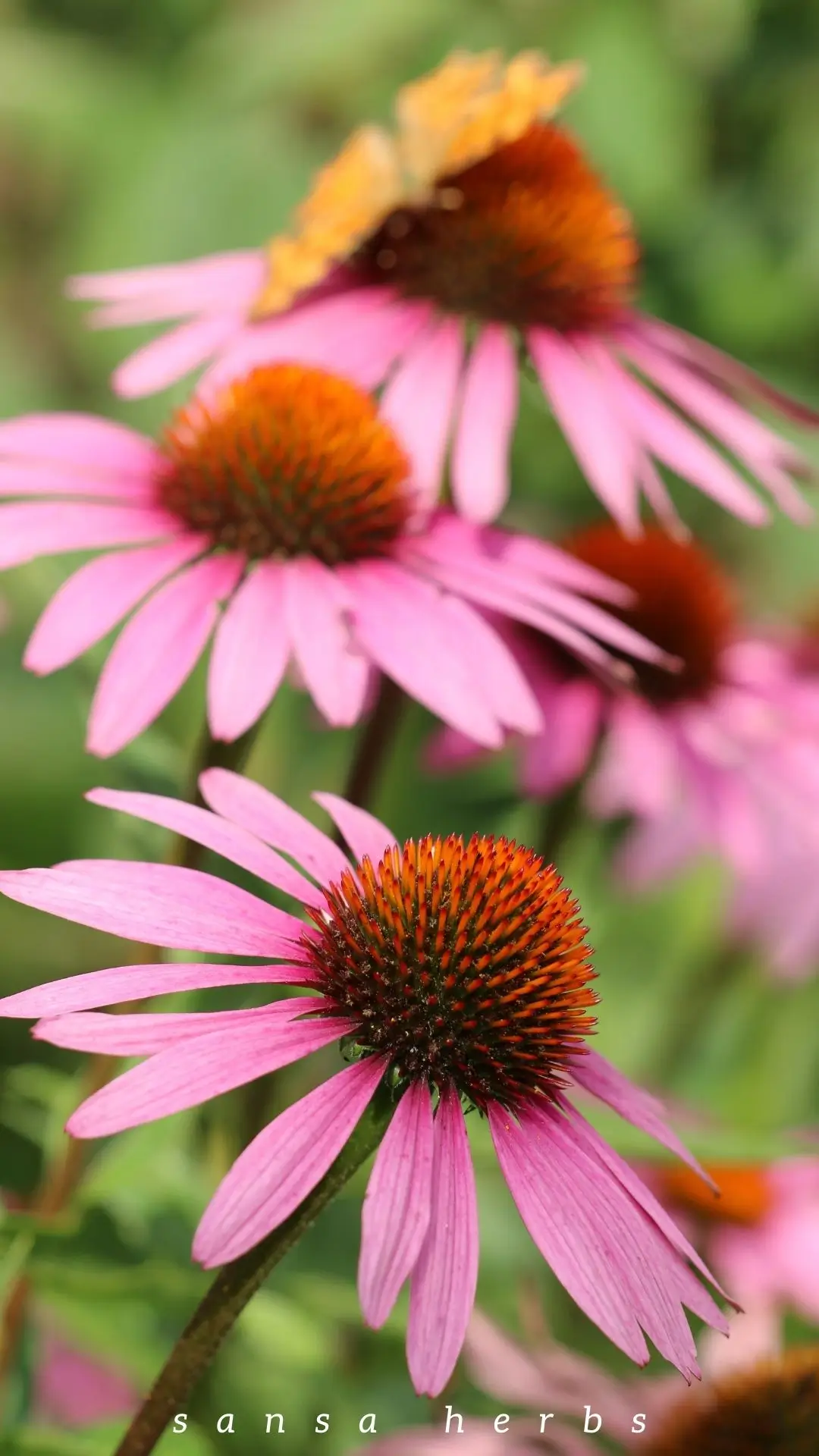
Garden Update: Want to start your pharmacy the easy way? The Medicinal Garden Kit includes premium Echinacea purpurea seeds plus 9 other essential herbs! Click here to get 10 premium herb seed packets + a FREE Herbal Guide!
1. Understanding the Species
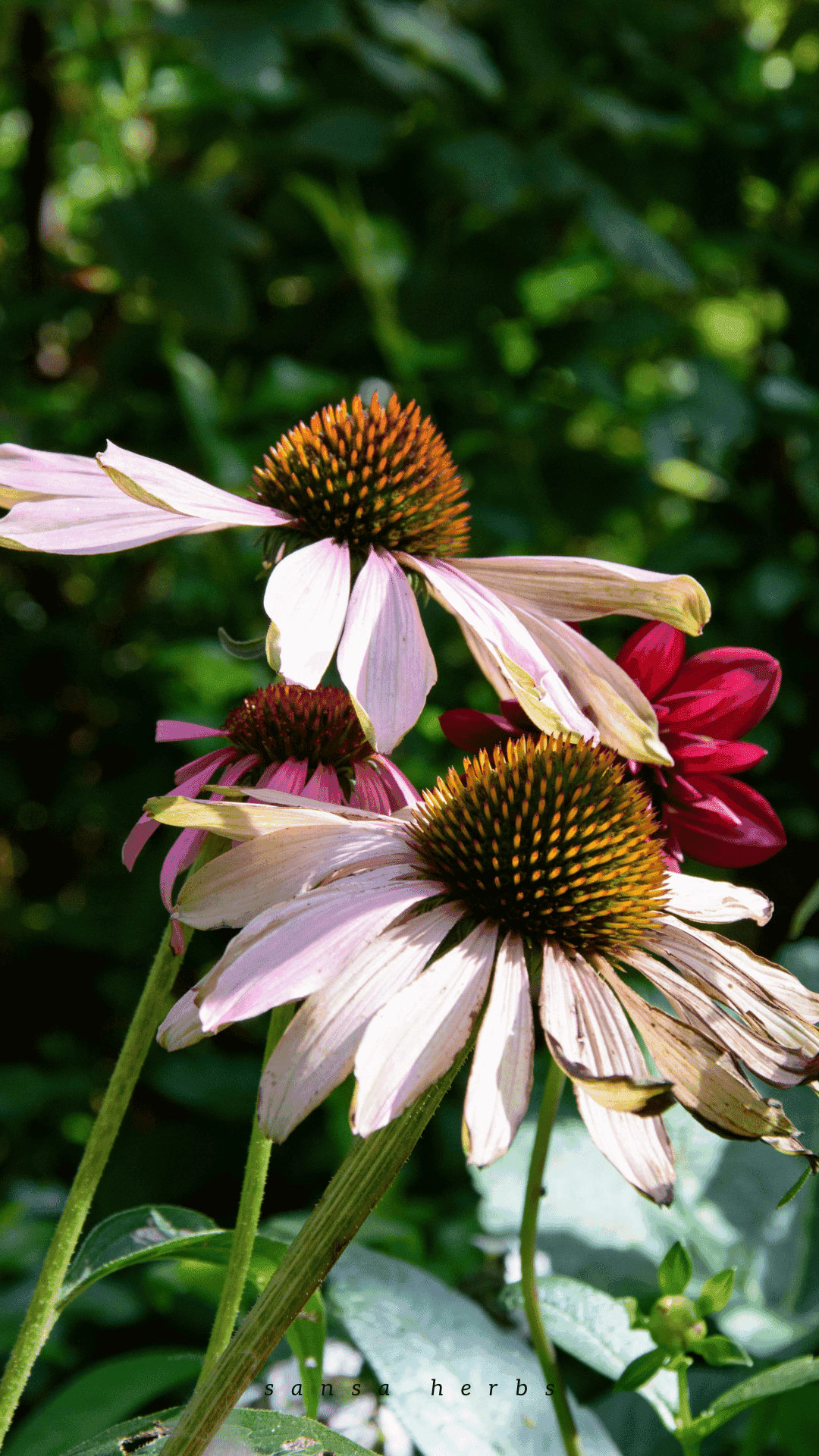
Before planting, it is essential to distinguish between the two most common species used in herbalism, as their growing requirements and potency differ.
- Echinacea purpurea: This is the most beginner-friendly variety. It has fibrous roots, is highly adaptable to various soil types, and is relatively easy to transplant. It is the most common species found in gardens.
- Echinacea angustifolia: Known for its deep taproot and high concentration of medicinal compounds, this species is more challenging to cultivate. It requires a longer period to establish and does not tolerate being moved once planted.
2. Growing Echinacea from Seed
Successfully starting Echinacea requires patience and attention to the plant’s natural lifecycle.
Cold Stratification
Echinacea seeds require a period of cold to break dormancy, a process known as cold stratification. If starting indoors, mix seeds with damp sand or peat and store them in the refrigerator for 4–6 weeks before sowing. Alternatively, “winter sowing” outdoors in the fall allows nature to handle this process for you.
Indoor Starting and Pest Management
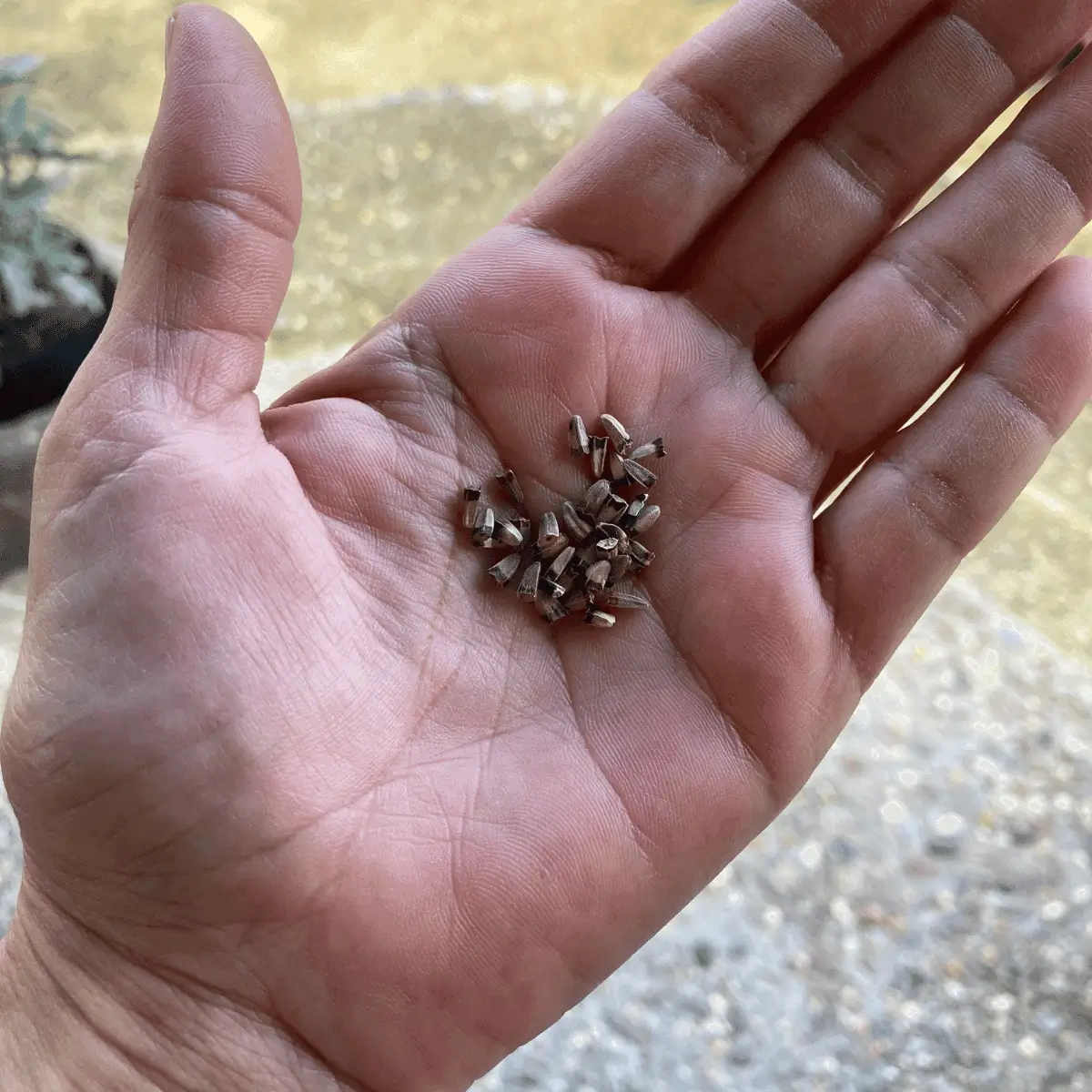
When sowing indoors, start 6–8 weeks before the last frost.
- Preventing Pests: High humidity can attract fungus gnats. Monitor your seedlings closely and use yellow sticky traps to manage these pests if they appear.
- The “Leaf Lift” Technique: When handling delicate seedlings for thinning or transplanting, always lift them by a leaf rather than the fragile stem. Snapping the stem is often fatal to the young plant.
- Air-Pruning: Using air-pruning trays can prevent “root spin,” ensuring the roots grow outward and downward rather than circling the pot.
3. Transplanting and Soil Health
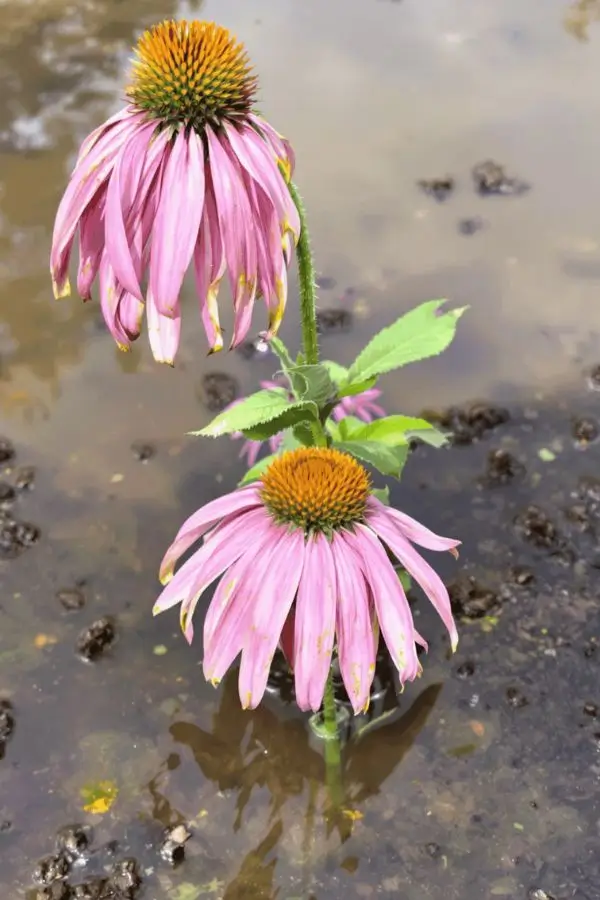
Echinacea is famously resilient, provided it has the right foundation.
- The “Wet Feet” Rule: The most common cause of failure is poor drainage. Echinacea roots are highly susceptible to rot if they sit in standing water. Ensure your soil is well-draining.
- Soil Temperature: Do not transplant seedlings until the soil temperature is consistently above 55°F.
- Hardening Off: Move your indoor seedlings outdoors gradually over 7–10 days. This acclimation period prevents transplant shock by slowly introducing the plants to direct sun and wind.
4. Maintenance and Winter Care

Once established, Echinacea requires minimal intervention, but a few strategic choices can ensure long-term health.
- Winter Protection: Leave the spent seed heads standing through the winter. This provides natural insulation for the roots and offers a vital food source for birds, such as goldfinches.
- The 3-Inch Rule for Mulching: To avoid trapping excessive moisture around the crown, which attracts rodents and causes rot, wait until the ground is frozen before applying about 3 inches of mulch. This helps prevent “frost heave,” which can push roots out of the soil during freeze-thaw cycles.
5. Building a Garden Ecosystem
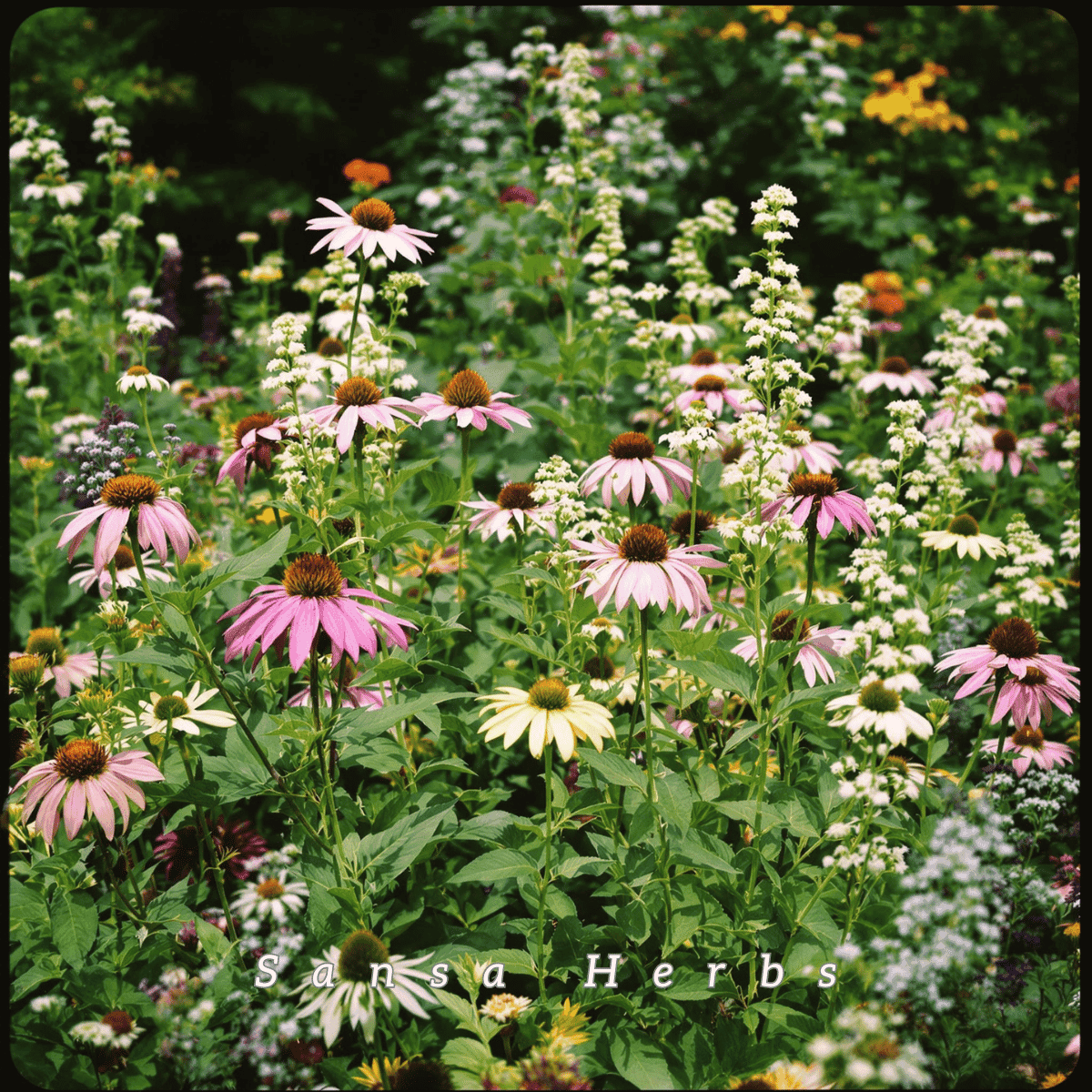
Echinacea thrives when integrated into a diverse garden landscape.
- Living Mulch: Use low-growing companion plants like Catmint or Gaillardia to suppress weeds and lock in soil moisture naturally.
- Trap Cropping: Plant Calendula nearby to act as a “trap crop” for aphids, drawing them away from your Echinacea. Yarrow is another excellent companion, as it attracts predatory insects like ladybugs that hunt common pests.
- Succession Planning: Pair Echinacea with early bloomers like Baptisia and late-season plants like Sedum to provide a continuous source of nectar for pollinators throughout the year.
- What to Avoid Planting Near Echinacea:
- Ferns and Hostas: These thrive in the shade and damp soil that cause Echinacea root rot.
- Tomatoes: These are heavy feeders that can deplete the average soil nutrients Echinacea prefers.
6. Harvesting and Preparing Medicine
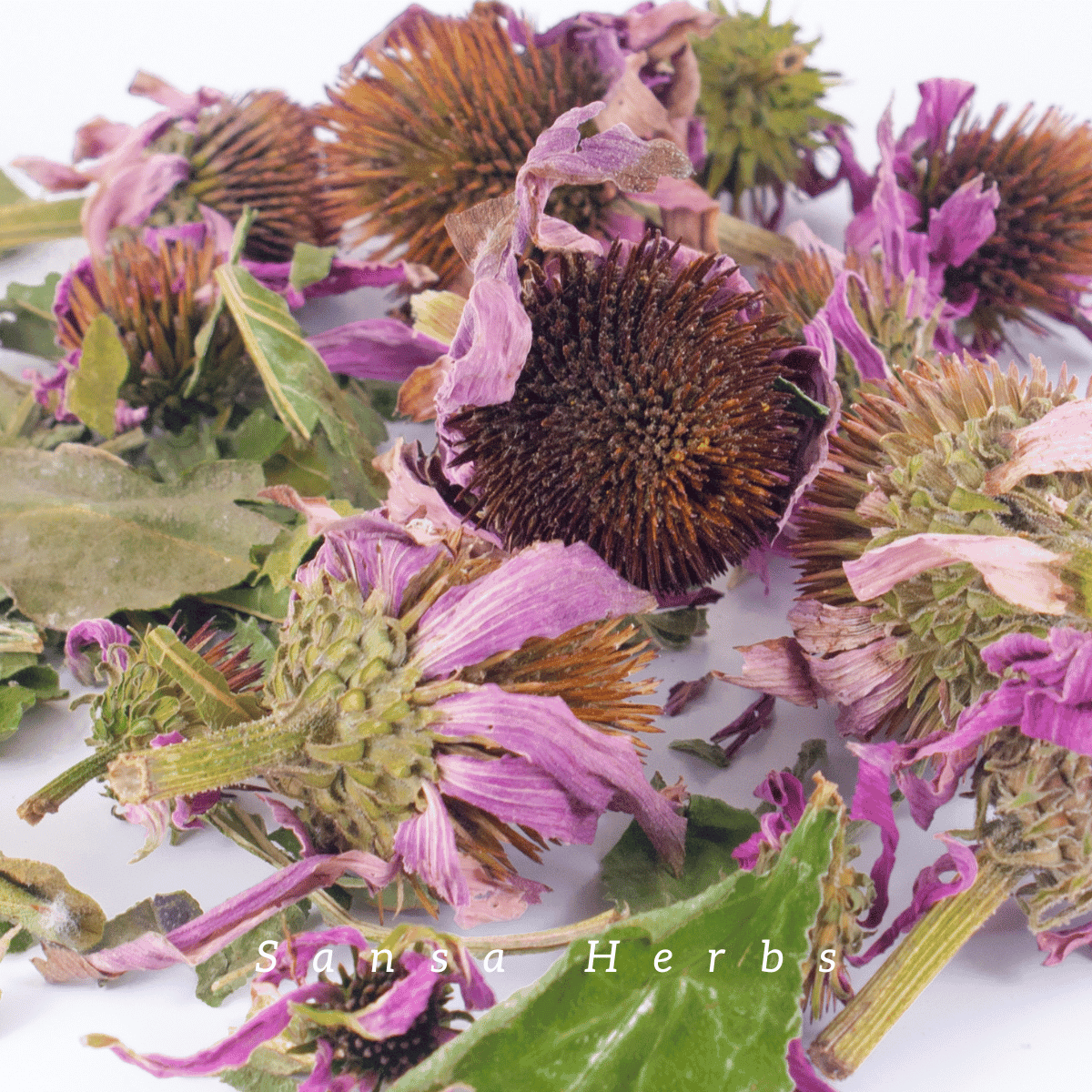
The Science of Immune Support The true value of Echinacea lies in its ability to actively modulate the immune system. Unlike many herbs that simply provide vitamins, research suggests that the active compounds in Echinacea (specifically polysaccharides and alkamides) stimulate macrophages, the “cleanup crew” of the immune system. This process triggers an increase in white blood cell activity, helping the body identify and destroy pathogens more efficiently. This is why Echinacea is traditionally used at the first sign of a tickle in the throat to shorten the duration of seasonal illness.
The “Echinacea Zing”
To test the potency of your harvest, perform a sensory test. A high-quality root or flower will produce a distinctive tingling or numbing sensation on the tongue and throat. This “zing” is caused by alkamides, the compounds primarily responsible for the herb’s immune-boosting effects.
Herbal Synergy: For enhanced respiratory support, Echinacea is traditionally paired with Goldenseal. If you are dealing with a dry, scratchy throat, try blending your Echinacea tea with Marshmallow Root to add a soothing, demulcent layer to the immune-stimulating “zing.”
Tinctures and Teas
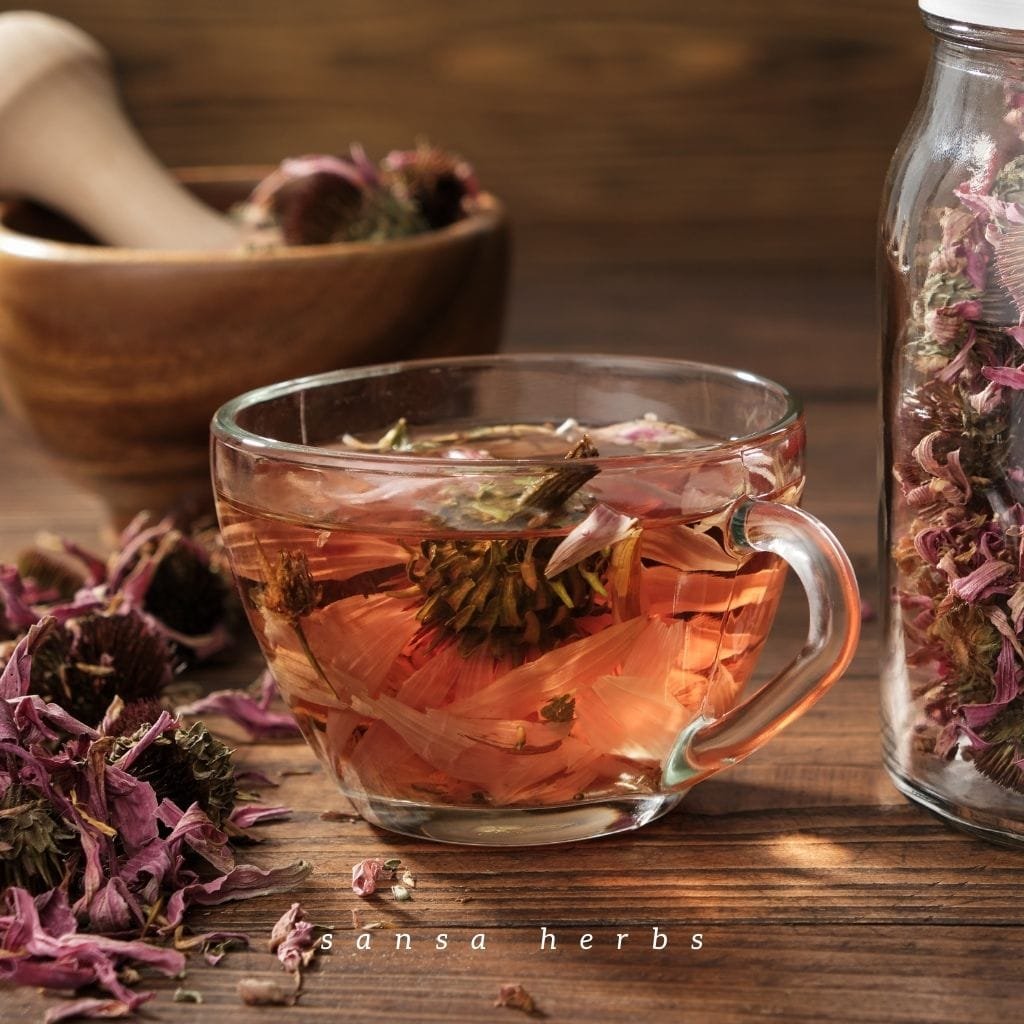
- Tinctures: For internal use, a 1:5 ratio (e.g., 75g of dried root to 375ml of high-proof alcohol) is a standard medicinal preparation. Tinctures offer fast absorption and are ideal for acute support.
- Teas: Teas provide excellent throat-soothing relief. For maximum effectiveness, use water heated to approximately 185°F rather than a rolling boil, which can damage some of the plant’s delicate polysaccharides.
7. Safety and Guidelines
While Echinacea is a staple of the home apothecary, it must be used responsibly.
- Cycling: To maintain the herb’s effectiveness, many herbalists recommend cycling its use, taking it for 8–12 weeks during the cold season followed by a break.
- Contraindications: Individuals with autoimmune conditions (such as Lupus or MS) or those taking immunosuppressant medications should consult a healthcare professional before use, as Echinacea’s immune-stimulating nature may interfere with treatment.
Growing Echinacea from seed isn’t just a garden hobby; it’s an investment in your health security. As the cost of high-quality organic tinctures continues to rise, having a self-replenishing supply in your backyard ensures you have access to potent immune support regardless of supply chain shifts or rising prices.
By following these guidelines, you can establish a self-reliant “backyard pharmacy” that provides economic security and natural health support for years to come.
Growing Echinacea from Seed FAQ
roots should be harvested in the Autumn of the 3rd year after the first frost, as this is when the energy (and medicine) has traveled from the dying leaves back down into the root. This ensures the plant is mature enough to survive the harvest and has a high concentration of medicinal alkamides.
The most common reason for failure when growing echinacea from seed is skipping the cold stratification process. These seeds need a “winter wake-up call” (4–6 weeks in a cold environment) to trigger growth. Additionally, echinacea seeds need light to germinate; ensure you only barely cover them with soil or press them into the surface.
It is considered a “moderate” project. While it requires more patience than growing herbs like basil, following a clear guide on growing echinacea from seed, specifically choosing the Echinacea purpurea variety, makes it very achievable for beginners. The reward is a self-sustaining perennial that returns every year.
Yes, but you must choose a deep container (at least 12 inches) to accommodate its root system. Because pots dry out faster than garden beds, you must be diligent about the “Wet Feet” rule—ensure your pot has excellent drainage holes to prevent the roots from rotting.
Quick Reference: Growing Echinacea from Seed
| Growing Need | Requirement |
| Difficulty | Easy to Moderate |
| Light | Full Sun (6+ hours) |
| Germination | 10–20 days (needs light!) |
| Soil | Well-draining, pH 6.0–7.0 |
| Maturity | 2nd Year (Flowers) / 3rd Year (Medicinal Roots) |
| Spacing | 18–24 inches |
| Hardiness | USDA Zones 3–9 |
Ready to start growing?
Get your non-GMO Echinacea purpurea seeds in the Medicinal Garden Kit and start your backyard pharmacy today!