
Growing chicory from seed is one of the most rewarding projects for a medicinal garden. It is simple: sow seeds in loose, well-drained soil in early spring, keep them watered until established, and harvest the deep taproots after the first frost for the sweetest flavor. These hardy plants thrive in sunny spots and require very little maintenance once they get going.

If you love your morning cup of “Joe” but dread the afternoon caffeine crash, you aren’t alone. We all love the ritual of a warm, dark roast, but sometimes our bodies need a gentler alternative.
That is where Chicory (Cichorium intybus) comes in. It offers that deep, earthy, “hug-in-a-mouth” flavor that teas just can’t replicate. Best of all? You don’t need a tropical climate to grow it. You can grow this incredible coffee substitute right in your backyard.
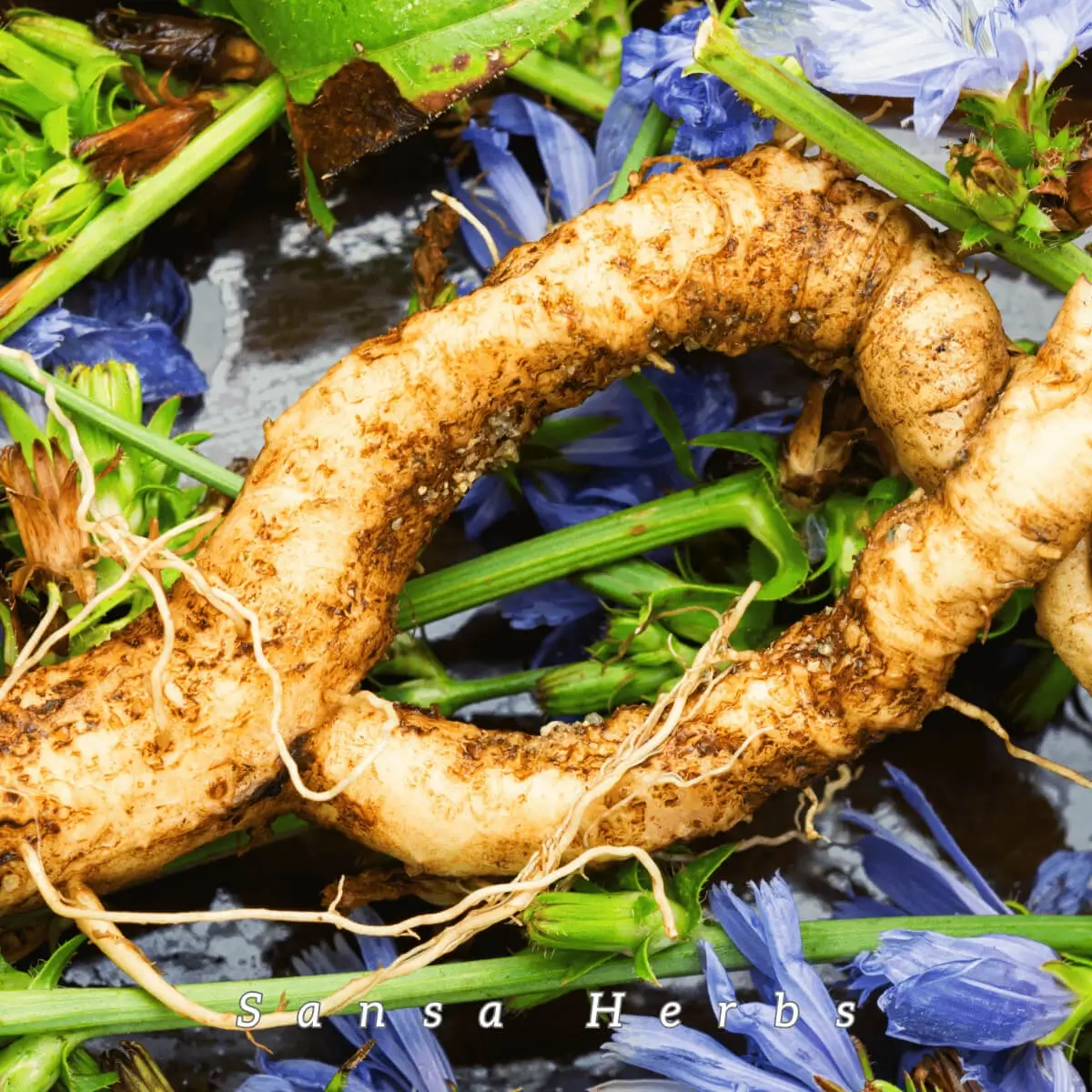
What Is Chicory Root?
Chicory is a hardy perennial herb in the dandelion family. If you look around roadside verges in the summer, you might see its tell-tale bright blue flowers. While some varieties are grown for their leafy greens (like radicchio or endive), for our herbal wellness garden, we are focusing on Root Chicory.
We are growing it for the deep, parsnip-like taproot. When dug up, dried, and roasted, it undergoes a transformation, a kind of alchemy, turning from a scratchy root into a rich, dark substance that brews almost exactly like coffee.
Can You Really Grow Chicory Root at Home?

Absolutely. In fact, chicory is one of the most forgiving plants you can add to your medicinal garden. It is incredibly drought-resistant once established and tolerates poor soil better than most vegetables.
However, for the best roots, you want to give it a little extra love.
Best Soil and Sunlight for Chicory Plants
To get thick, straight roots rather than spindly, forked ones, soil preparation is key.
- Sunlight: Chicory loves the sun. Aim for a spot that gets at least 6 hours of direct sunlight a day.
- Soil: The ideal soil is loose, well-drained, and sandy or loamy. If your soil is heavy clay or too compacted, the taproot will struggle to push down, leading to forked or stunted roots.
- Fertility: Surprisingly, chicory prefers low to moderate fertility. Avoid heavy fertilizers; too much nitrogen produces lush leaves but small roots.
The Simple Guide to Growing Chicory From Seed
1. Choosing Your Seeds
While you might see chicory in the grocery store, do not try to replant those roots. They are often varieties grown for salad leaves, not the deep, medicinal roots we want for coffee.
To get the best results, I recommend starting with high-quality heirloom seeds.
My Recommendation: If you are serious about building a self-reliant pharmacy in your backyard, I highly recommend the Medicinal Garden Kit.
It includes premium Chicory seeds specifically selected for their robust roots, along with 9 other essential healing plants like Echinacea and Calendula. It is the easiest way to get your entire herbal wellness garden started with one simple kit.
Quick Reference: Growing Chicory from Seed
| Basic Growing Information | Growing Conditions |
|---|---|
| Difficulty Level: Easy | Light Requirements: Full sun |
| Time to Germination: 7-14 days | Soil Type: Average, well-draining |
| Time to Maturity: 85-100 days | Soil pH: 5.5-7.0 |
| Plant Height: 24-48 inches | Temperature Range: 45-85°F (7-29°C) |
| Spacing: 6-12 inches apart | Water Needs: Moderate, drought tolerant |
| USDA Zones: 3-10 |
Growing Locations
Container Growing: ✓ Good
Indoor Growing: ✓ Possible
Outdoor Growing: ✓ Ideal
Historical & Traditional Significance
Astrological Association: Jupiter
Traditional Uses:
Coffee substitute, Digestive Support, Liver health, Traditional European medicine
2. When and How to Sow
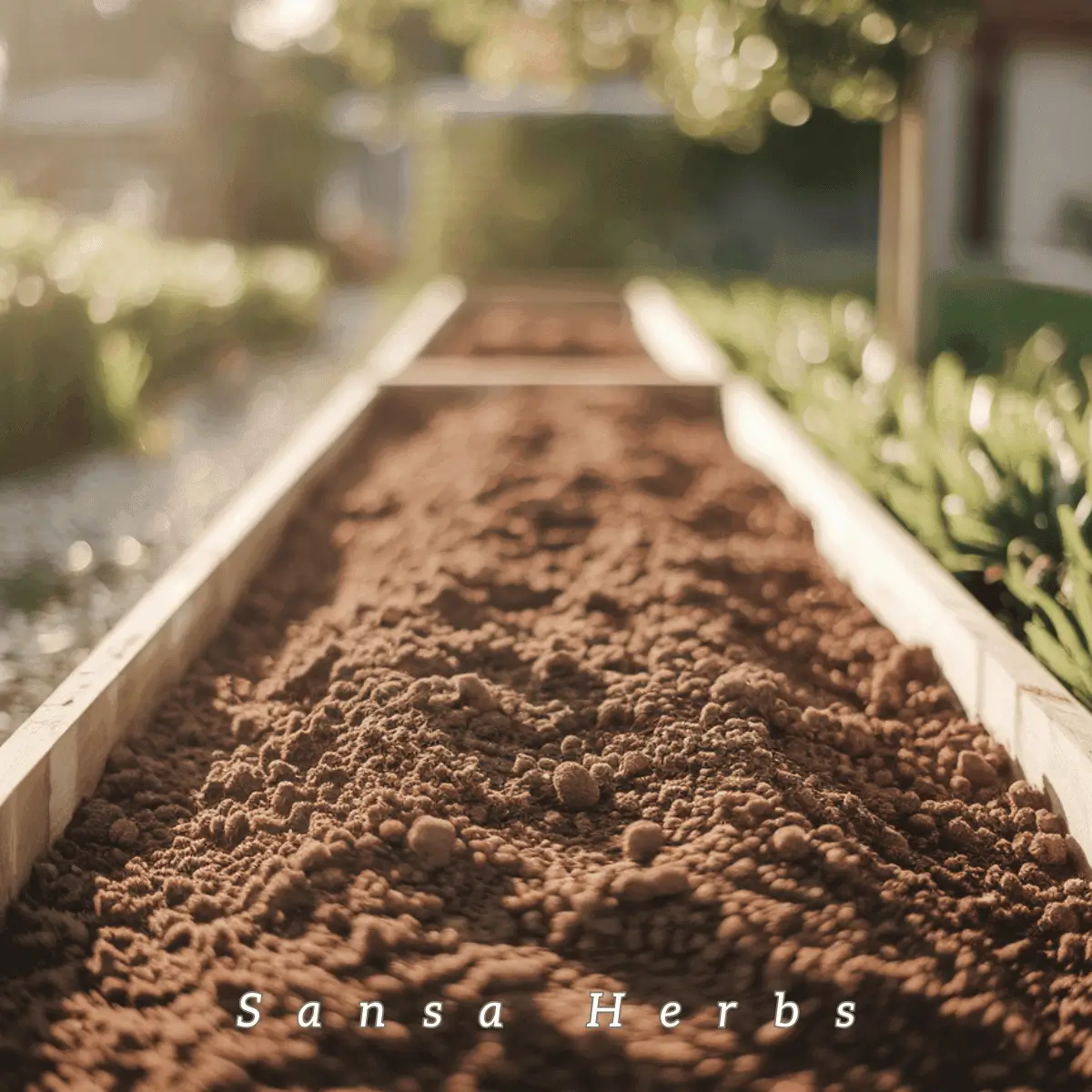
The process of growing chicory from seed starts as soon as the soil can be worked in early spring.
If you are starting your seeds in trays or pots before transplanting, you’ll need a light, fluffy medium. Check out my Ultimate Guide to Potting Soil for the best seed-starting blends.
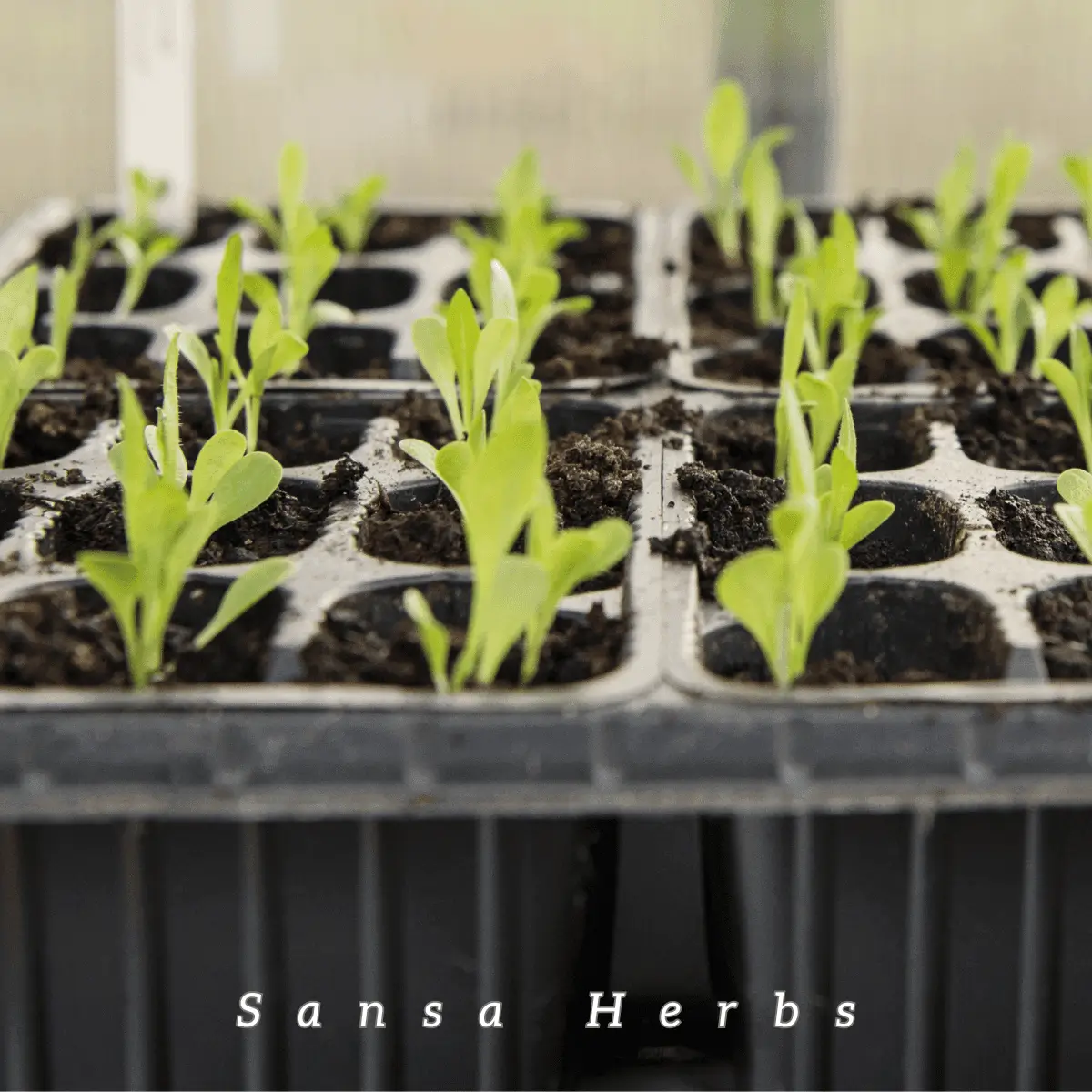
- Planting Depth: Sow seeds thinly, about 1/4 inch deep.
- Spacing: This is crucial. Once seedlings are a few inches tall, thin them out so they are 6 to 9 inches apart. If they are too crowded, the roots won’t have room to fatten up.
3. Watering and Basic Care
In the beginning, keep the soil consistently moist to help germination. Once the plants are established (after a few weeks), they become quite drought-tolerant.
- Weeding: Keep the area around your chicory weed-free, or use a light mulch. This stops weeds from stealing nutrients and water from your developing roots.
How Long Does Chicory Root Take to Grow?

Patience is the secret ingredient here. Chicory roots typically need about 120 days (4 to 6 months) to reach maturity.
While you can harvest them in late summer, seasoned herbal gardeners know to wait. The roots accumulate beneficial inulin and sugars as the weather cools. For the best flavor, plan to harvest in the autumn.
When to Harvest Chicory Root for Coffee
The best time to harvest is generally from September through November, ideally after the first few light frosts. The cold signals the plant to send sugars down into the root, making your final roast smoother and less bitter.
Look for the foliage to start dying back, this is your visual cue that the plant is dormant and the root is ready.
How to Harvest Chicory Root
The “business end” of this plant is deep underground.
- Loosen the Soil: Use a garden fork (border fork) rather than a shovel. A shovel is more likely to slice through the root.
- Work Around the Plant: Insert the fork deeply around the perimeter of the plant to loosen the soil.
- Lift Gently: Grasp the base of the leaves and pull gently while levering with the fork. The taproots can be long, and you want to avoid snapping the tip off in the ground.
Pro Tip: It is often easier to harvest after a rain when the soil is soft and moist.
How to Dry and Roast Chicory Root at Home
This is where the magic happens. Turning a root into “coffee” requires three steps: washing, drying, and roasting.
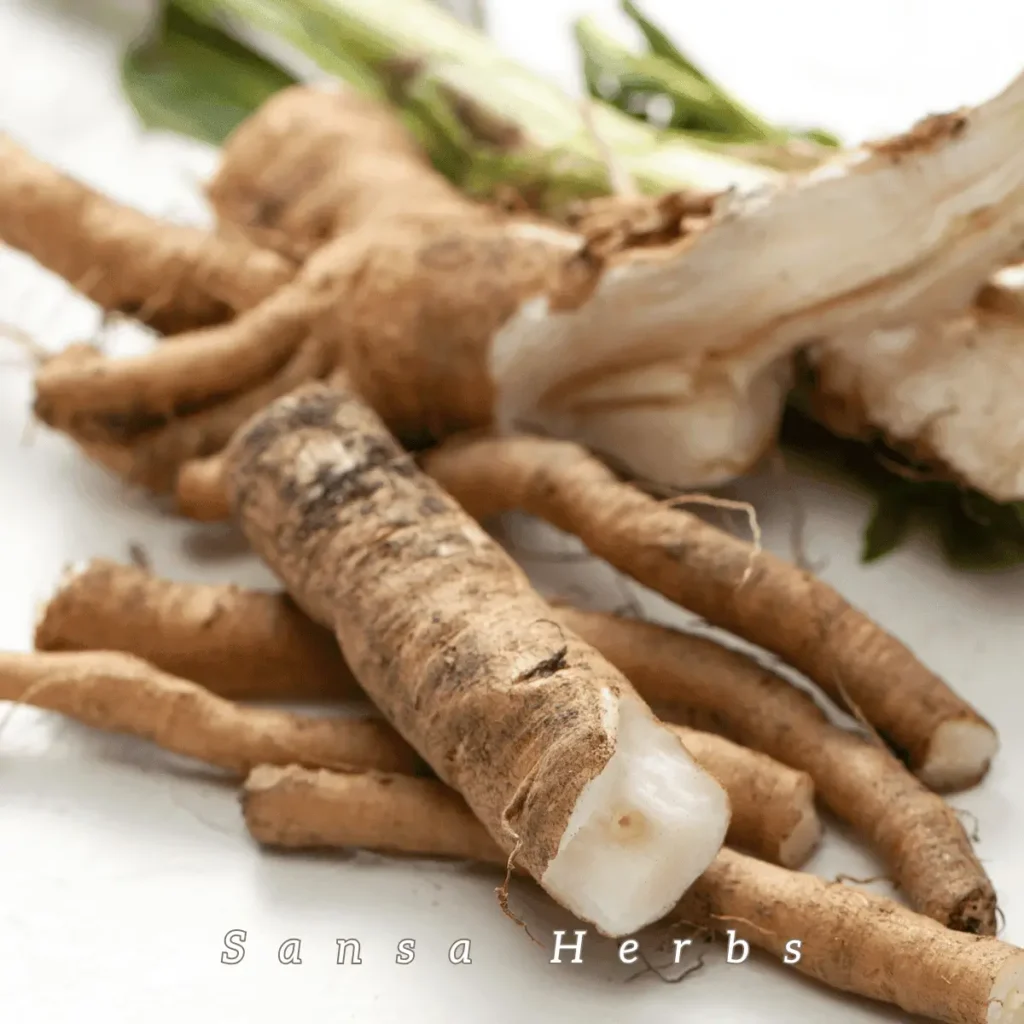
1. Cleaning and Chopping
- Scrub: These roots will be muddy. Spray them off with a hose, then scrub them vigorously in a bucket of water with a vegetable brush. We want to drink coffee, not mud!
- Chop: Cut off the foliage. Slice the roots into consistent, thin medallions (about the size of a coin). The more consistent your slices, the more evenly they will roast.
2. Drying Methods
You must remove the moisture before roasting.
- Dehydrator: Place slices on trays at 135°F (57°C) until they are rock hard and shriveled.
- Oven: Place on a baking sheet at the lowest possible setting (around 200°F/90°C). Leave the door cracked slightly to let moisture escape. This may take 2-4 hours. Shake the tray occasionally.
3. Roasting for Herbal Coffee
- Preheat your oven to 350°F (175°C).
- Spread the dried root pieces on a baking sheet.
- Roast for 20 to 45 minutes. Keep a close eye on them!
- The Smell Test: You are looking for a “Golden to Brown” color. You will know they are ready when your kitchen starts smelling incredible, nutty, earthy, and slightly like chocolate brownies.
- Cool and Grind: Let them cool completely, then grind them in a standard coffee grinder just like coffee beans.
Simple Ways to Use Your Harvest
You’ve grown, harvested, and roasted your chicory. Now, how do you drink it?
- The Caffeine-Free Brew: Brew ground chicory exactly like regular coffee in a French press or drip machine. It has a dark color and a rich, slightly woody flavor.
- The “New Orleans” Blend: If you aren’t ready to give up caffeine entirely, mix your chicory grounds 50/50 with your regular coffee grounds. This reduces your caffeine intake and adds a lovely depth to the flavor profile.
Growing Chicory from Seed: FAQ
It is not recommended. Grocery store chicory is usually the leafy salad variety (like endive), which produces small, woody roots not suitable for roasting. For herbal coffee, always buy seeds labeled Cichorium intybus or “Root Chicory.”
Chicory reseeds very easily. If you don’t harvest the roots and let the plant flower and go to seed, it can spread around your garden. Harvesting the root usually solves this problem!
They are cousins! Both can be roasted for coffee substitutes. Dandelion roots are smaller and harder to harvest in bulk, but they have a slightly sweeter, chocolate-like flavor. Many herbalists blend the two together for the ultimate herbal coffee.
Conclusion
Success with growing chicory from seed comes down to patience and good soil preparation. It is a slow process, but the reward of brewing your own rich, homegrown coffee substitute makes every day of waiting worth it.
Whether you start with a single packet or grab the full Medicinal Garden Kit to grow your complete backyard pharmacy, you have added a powerful and delicious new plant to your wellness toolkit.