Using calendula for skin healing is one of the oldest and most trusted traditions in herbal medicine.
Whether you are dealing with winter dry skin, itchy eczema, or minor scrapes, this bright orange flower (a.k.a. “pot marigold”) is known for helping the skin repair itself.
While you can buy expensive creams, homemade versions tend to be more effective because you control the quality of the ingredients.
In this guide, you will learn how to make calendula salve for dry skin, the difference between using oil vs. cream, and exactly how this sunny bloom helps repair damaged tissue.
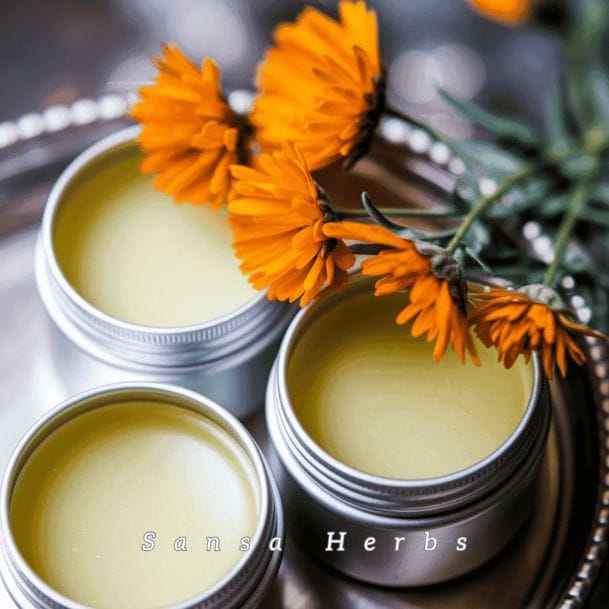
This calendula infused oil salve recipe is one of the simplest ways to turn dried flowers into a powerful skin remedy.
Want to make it fast?
→ Jump to the 3-step calendula salve recipe
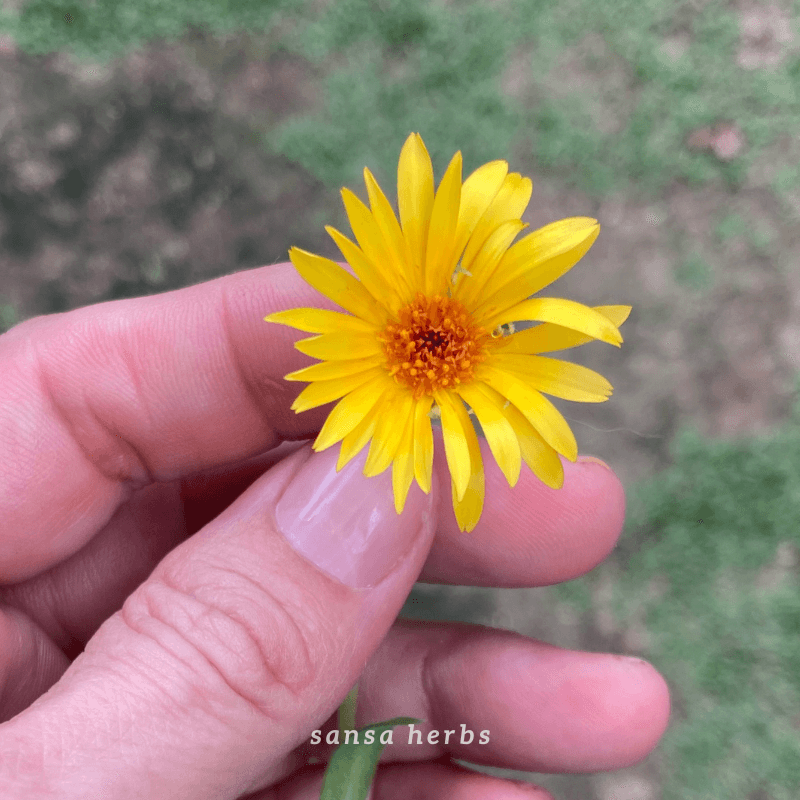
I grow calendula in my backyard in Trinidad and have harvested both fresh flowers and dried them for use in oils and salves.
While my current seedlings are still young, I’ve been working with this plant long enough to know exactly what makes a potent calendula infusion — and it starts with the quality of your flowers.
🌿 Garden Update: I use the Medicinal Garden Kit to grow calendula and other healing herbs at home. → See what’s included.
Why Use Calendula for Skin Healing?
Calendula (Calendula officinalis) contains natural compounds that help reduce inflammation and support skin repair.
These include flavonoids and plant resins that calm irritation and help damaged skin revover.
Does Calendula Help with Scars or Acne?
Yes. Because it promotes cell regeneration and increases blood flow to the skin, calendula is excellent for:
- Scars: It helps knit tissue back together (especially when combined with Comfrey) and can reduce the appearance of new scars.
- Acne: Its antimicrobial properties help clean minor wounds, while its anti-inflammatory nature reduces the redness and swelling of breakouts without drying out the skin like harsh chemicals.
Is Calendula Salve Good for Eczema?
Yes, calendula salve is commonly used for eczema because it helps soothe irritated skin while creating a protective barrier that locks in moisture.
This homemade calendula balm is especially helpful after bathing, when the skin is still slightly damp. The salve seals hydration into the skin while reducing redness and itching.
For best results, apply daily to affected areas and use consistently over time,
Calendula Oil vs. Cream for Skin Healing
Not sure whether to use an oil, salve, or cream? Here’s a quick breakdown:
| Format | Texture | Best Used For… |
| Infused Oil | Liquid, greasy | Massage, large body areas, or as a base ingredient for other recipes. |
| Salve (Balm) | Solid, protective | Best for Eczema & Dry Skin. It sits on top of the skin, creating a barrier that locks in moisture and keeps the medicine in place. |
| Cream/Lotion | Light, absorbs fast | Daily face moisturizing or acne, where you don’t want a heavy, greasy feel. |
When using calendula for skin healing, the salve is usually the best choice for deep repair because it stays on the skin longer.
Part 1: How to Make Calendula Infused Oil (“Liquid Gold”)

Before you can make a salve, you need the medicated oil. This is the base for all your skin remedies.
Ingredients
- Dried Calendula Flowers: (Do NOT use fresh flowers; the moisture can cause mold!).
- Buy It: EarthWise Aromatics Organic Calendula Flowers
- Grow It: Medicinal Garden Kit
- Carrier Oil: Olive Oil (classic), Jojoba Oil (great for face), or Sweet Almond Oil.
The “Quick Heat” Method (2–4 Hours)
- Place dried herbs and oil in the top of a double boiler.
- Heat gently on very low for 2–4 hours. Do not let the oil fry! You want it warm (100°F–120°F).
- Strain through cheesecloth. This golden liquid is your finished Calendula Oil.
Part 2: How to Make Calendula Salve for Dry Skin
One of the most effective ways to use calendula for skin healing: a portable, easy-to-apply balm.
Ingredients
- 1 cup Calendula Infused Oil (from Part 1)
- 1/4 cup Beeswax Pellets (or Candelilla Wax for vegans)
- Optional Boost: 10–20 drops Lavender Essential Oil (for extra soothing)
Instructions
- Melt: Pour your infused Calendula Oil and the beeswax pellets into a double boiler.
- Heat: Warm gently on low heat until the beeswax is completely melted.
- Test: Dip a spoon into the mix and freeze for 1 minute. If it’s too soft, add more wax.
- Pour: Carefully pour into small tins or glass jars. Let them sit undisturbed until solid.
Pro Tip: This salve is shelf-stable for 1–2 years if kept cool and dry!
Where to Get Supplies
- Dried Calendula Flowers: EarthWise Aromatics Organic Calendula Flowers
- Beeswax Pellets: Beesworks Yellow Beeswax Pellets
- Tins: 2 oz Aluminum Salve Tins
Calendula infused oil can be used directly on the skin as a massage oil or moisturizer without turning it into a salve!
Want to grow your own calendula for stronger, more potent salves?
→ Learn how to grow calendula from seed
FAQ
For eczema, apply Calendula Salve (not just oil) immediately after a bath or shower while the skin is still slightly damp. The beeswax in the salve will seal that hydration into the skin while the calendula reduces the itch and redness.
When using calendula for skin healing on chronic issues like eczema, consistent daily application for 2–4 weeks is typically needed.
Calendula is generally safe for minor cuts. However, deep puncture wounds should heal from the inside out. In these cases, consult a doctor before applying thick salves which might trap bacteria inside a deep wound.
While all Calendula officinalis varieties work, the ‘Resina’ variety is prized by herbalists because it has the highest content of the sticky, medicinal resins. To learn which variety is right for your garden, check out our guide: How to Grow Calendula from Seed.
Ready to start? Get your Medicinal Garden Kit today and plant the foundation of your home pharmacy!