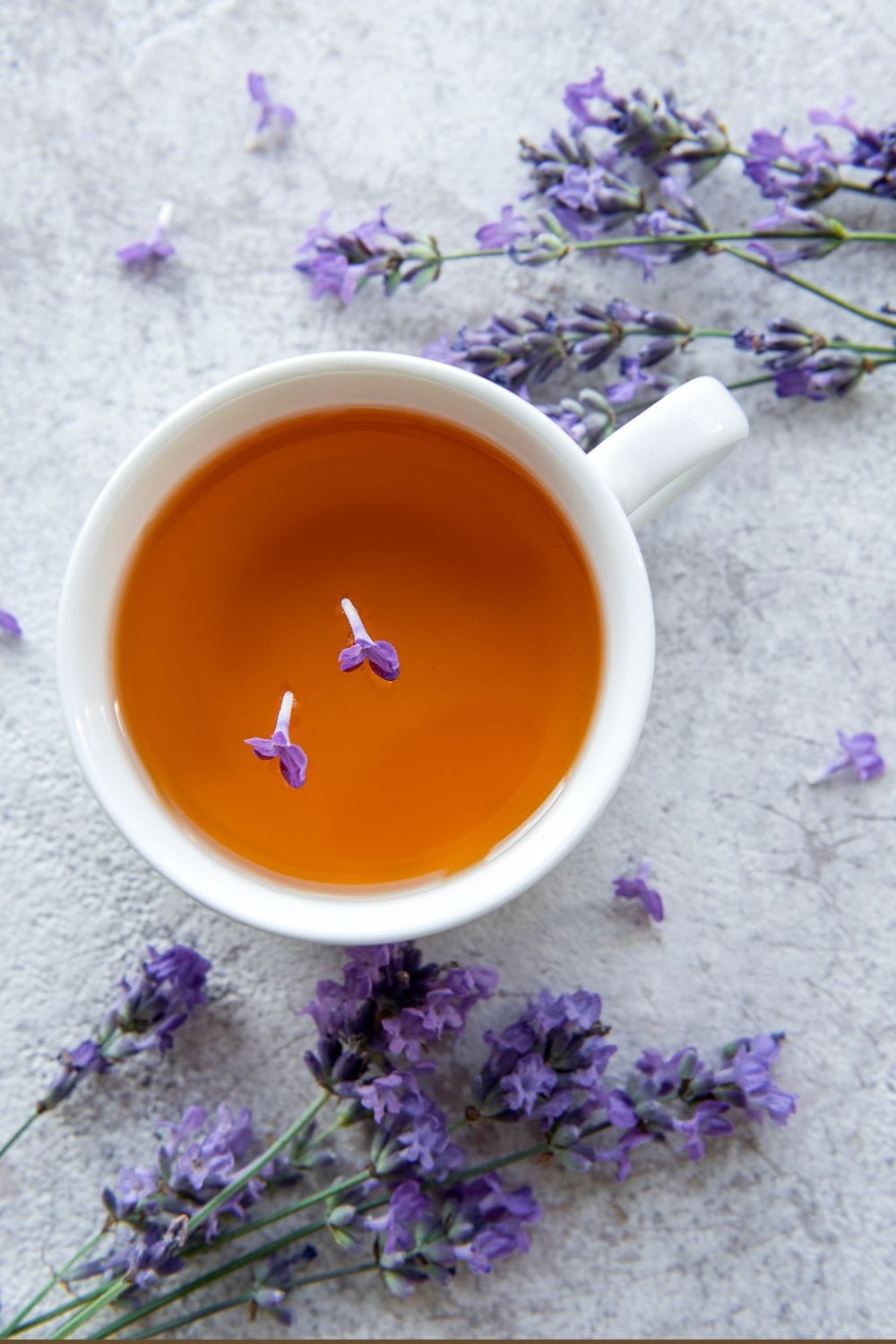
Lavender tea benefits for anxiety are becoming widely recognized as people search for natural alternatives to manage daily stress. While the sweet, floral scent of lavender (Lavandula) is famous for relaxation, drinking it as a tea delivers calming compounds directly to your system.
Scientific investigations have begun comparing lavender to pharmaceutical options, and the results are surprising. Whether you are looking to unwind after a chaotic day or improve your sleep quality, this guide covers the science, the recipe, and the safety precautions you need to know.
Garden Update: You can grow your own fresh lavender for tea!
The Medicinal Garden Kit includes premium Lavender seeds along with 9 other healing plants.
Click here to get 10 premium herb seed packets + a FREE Herbal Guide!
The Science: Lavender vs. Anti-Anxiety Medication
Many skeptics wonder if the lavender tea benefits for anxiety are scientifically real, or if they are just a placebo effect from the pleasant smell.
Research suggests it is more than just a placebo. In studies comparing lavender oil capsules to benzodiazepines (specifically Lorazepam/Ativan) for Generalized Anxiety Disorder, results showed that lavender was as effective as the drug in reducing anxiety symptoms.
- No “Hangover”: Unlike sedatives which can leave you feeling groggy or “hungover” the next day, lavender was well-tolerated and improved mental performance.
- Brain Waves: Studies show the scent and ingestion of lavender can alter brain wave patterns, potentially helping people perform tasks (like math) faster and more accurately while feeling more positive.
Brain Waves: In human studies, just a few minutes of inhaling lavender essential oil shifts brain‑wave patterns and helps people complete tasks (including simple math problems) faster and more accurately while feeling more relaxed and positive.
How to Make Lavender Tea for Anxiety
You cannot enjoy the lavender tea benefits for anxiety if you can’t stand the taste. Making it is simple, but there is a trick to prevent it from tasting like soap.
The Golden Rule: Less is more. Lavender is incredibly potent.
Simple Lavender Tea Recipe
- 1 tsp Dried Lavender Buds (Culinary Grade)
- 8 oz Hot Water (Just off the boil)
- Optional: 1 tsp Honey
Instructions:
- Place the lavender buds in a tea infuser or mug.
- Pour hot water over the buds.
- Cover the mug (this keeps the therapeutic volatile oils from evaporating with the steam).
- Steep for 5 minutes. Do not over-steep, or it will become bitter and soapy.
- Remove buds, sweeten with honey if desired, and inhale the steam as you sip.
Lavender and Chamomile Tea for Sleep and Anxiety
If you find the taste of pure lavender too strong, or you need extra sleep support, this blend is the perfect upgrade.
- Mix: 1 part Lavender to 2 parts Chamomile.
- Why it works: Chamomile adds a mild, apple-like sweetness that balances the floral lavender notes, while adding its own sedative properties for a deeper rest.
Best Time of Day to Drink Lavender Tea for Anxiety
To maximize the lavender tea benefits for anxiety and sleep, the best time to drink it is in the evening, about 30–60 minutes before bed.
However, because it does not cause the same drowsiness as heavy sleep aids, many people drink a small cup in the mid-afternoon to help reset during a stressful workday without losing focus.
Who Should Not Drink Lavender Tea (Side Effects & Precautions)
Is lavender tea safe to drink every day?
For most adults, yes, lavender tea is considered safe for daily consumption in moderate amounts (1–2 cups). However, there are important exceptions.
1. The “Young Boys” Warning (Hormone Disruption)
There have been case reports linking lavender products (mostly topical soaps and lotions) to prepuberty gynecomastia (breast development) in young boys.
- The Science: Lavender may possess weak estrogenic (female hormone) activity and dampen male hormone activity.
- Recommendation: While this is rare and linked mostly to topical exposure, it is wise to avoid giving strong lavender tea or products to young boys until more is known.
2. Medication Interactions
Lavender slows down the central nervous system. Be cautious if you are taking:
- Sedatives: (like Ativan, Valium, or sleep aids) as lavender may amplify their effects, making you too drowsy.
- Blood Pressure Medicine: Lavender may lower blood pressure, which could cause a drop if combined with medication.
Trust & Safety: Always consult your doctor before using herbal remedies, especially if you are pregnant, breastfeeding, or taking prescription medications.
Lavender Tea Benefits for Anxiety: FAQ
It tastes very floral, slightly sweet, and earthy. If you use too much, it can taste like perfume or soap. The key is using a small amount (1 teaspoon) and steeping for a short time.
Yes, provided it hasn’t been sprayed with pesticides. English Lavender (Lavandula angustifolia) is the best variety for tea as it has the sweetest flavor. Spanish or French lavenders can be more camphor-like and bitter. If you want to start your own patch, check out our complete guide on Growing Lavender from Seed.
If you don’t have lavender growing in your garden yet, you must buy “Culinary Grade” dried buds to ensure they are free of pesticides.
For Immediate Use: We recommend The Spice Way Lavender Flowers. These are dried, edible buds perfect for brewing tea immediately.
Grow Your Own: To harvest your own fresh buds next season, grab the Medicinal Garden Kit.