Yarrow (Achillea millefolium) is more than just a pretty flower, it is a “soldier’s herb,” a powerhouse of healing properties cherished for thousands of years. From stopping bleeding instantly to breaking a fever, understanding the medicinal uses of yarrow is essential for any home apothecary.
This comprehensive mastery guide covers everything you need to know: the science behind its benefits, how to grow it from seed, and step-by-step recipes for making your own potent tinctures and salves.
Start Your Healing Garden with One Click
Yarrow is one of the 10 essential herbs found in Dr. Nicole Apelian’s Medicinal Garden Kit.
Don’t waste time hunting for seeds! The Medicinal Garden Kit includes premium Yarrow seeds plus a complete guide on how to turn your harvest into tinctures and salves.
Yarrow’s Timeless Healing Legacy
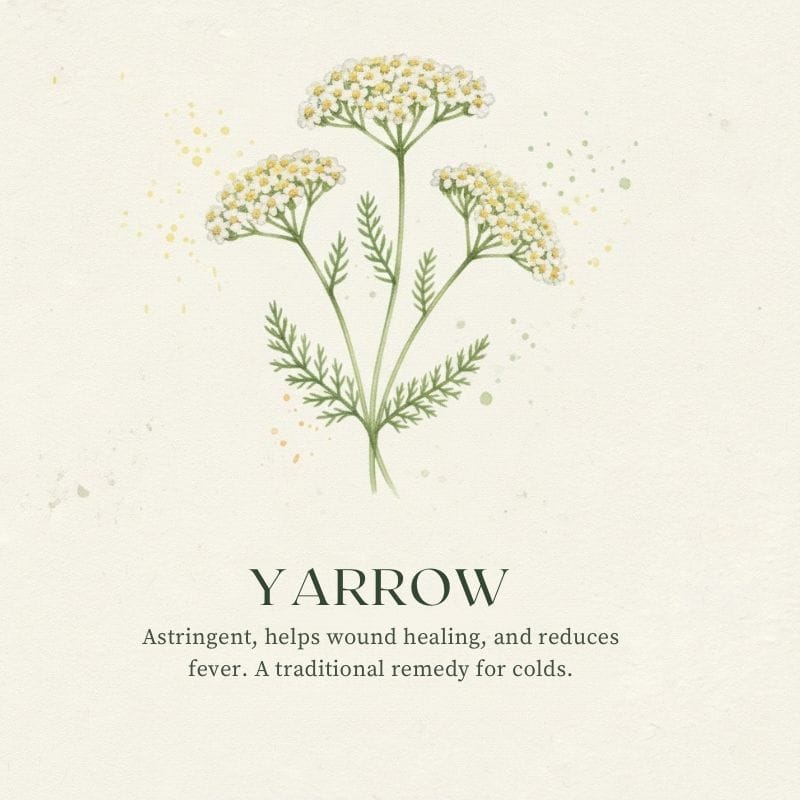
Yarrow’s story begins with its botanical name, Achillea millefolium, derived from the Greek hero Achilles, who famously used it to treat soldiers’ wounds during the Trojan War. This “wound healer” was a battlefield staple, revered for its ability to stop bleeding and prevent infection.
Key Medicinal Uses of Yarrow:
- Wound Healing (Styptic): Contains achilleine, which helps stop bleeding and disinfects cuts.
- Fever Management (Diaphoretic): Promotes sweating to safely lower body temperature during fevers.
- Digestive Support: Bitter compounds stimulate bile production to ease bloating and indigestion.
- Circulation: Tones blood vessels, making it excellent for varicose veins and hemorrhoids.
Growing Yarrow: A Complete Guide
Yarrow is incredibly resilient and easy to grow, thriving even in poor soil where other plants fail.
- USDA Zones: 3-9 (Hardy Perennial)
- Light: Full Sun
- Soil: Poor to average, well-draining (Rich soil makes it floppy).
Step-by-Step Planting:
- Sow Surface-Level: Yarrow seeds need light to germinate. Press them gently into the soil surface; do not cover them deep.
- Germination: Keep moist until sprouts appear (14-21 days).
- Maintenance: Once established, Yarrow is drought-tolerant. Deadhead spent blooms to encourage continuous flowering throughout summer.
Pro Tip: Yarrow is a fantastic companion plant! It attracts beneficial insects like ladybugs and predatory wasps that protect your vegetable garden from pests.
The DIY Recipe Hub: Tinctures & Salves
Once your Yarrow is blooming, use these recipes to turn your harvest into medicine.
Why Yarrow Salve? (Nature’s First-Aid Kit)
Yarrow’s medicinal magic comes from specific compounds like achilleine (a natural clotting agent) and azulene (a powerful anti-inflammatory). It is a must-have for:
- Wound Healing: Accelerates tissue repair for cuts and scrapes.
- Skin Hydration: Soothes eczema, psoriasis, and dry patches.
- Antimicrobial Protection: Fights bacteria to prevent infection in minor wounds.
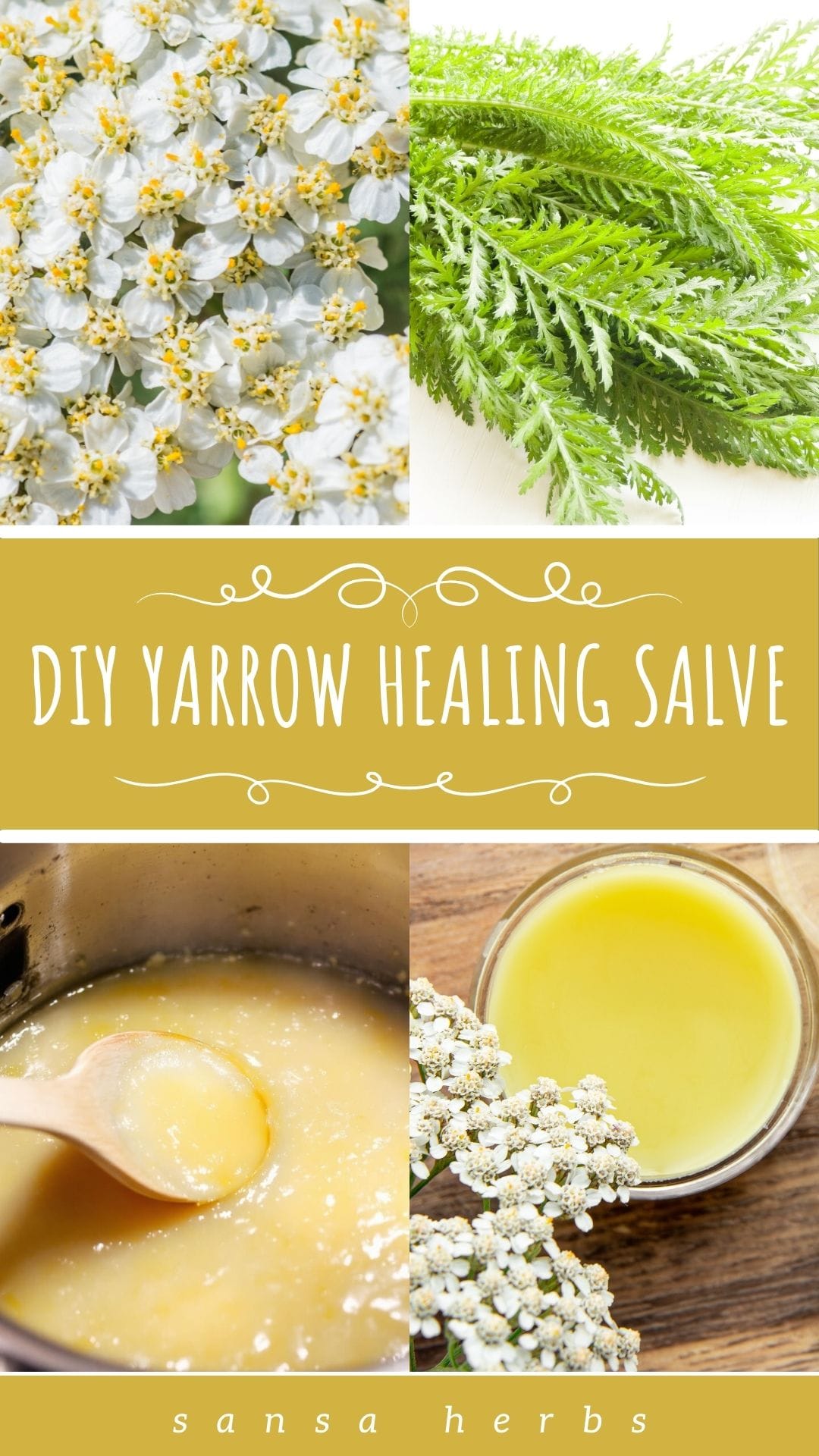
1. Yarrow “First-Aid” Salve Recipe
Best for: Cuts, scrapes, bruises, and dry, cracked skin.
Ingredients:
- 1 cup dried Yarrow flowers/leaves
- 1.5 cups Olive Oil
- 1 oz Beeswax Pastilles
- Optional: 10 drops Lavender essential oil
Instructions:
- Infuse: Combine yarrow and oil in a double boiler. Heat on low for 3 hours. Strain.
- Melt: Add beeswax to the warm oil and stir until melted.
- Pour: Pour into tins and let cool. Apply to minor wounds to speed healing.
2. Yarrow Tincture Recipe (The Immune Booster)
Best for: Fevers, colds, and digestive upsets.

Ingredients:
- Fresh Yarrow flowers/leaves (chopped)
- High-proof alcohol (Vodka or Brandy, 80+ proof)
Instructions:
- Pack: Fill a glass jar 3/4 full with fresh yarrow.
- Pour: Cover completely with alcohol (1 inch above herbs).
- Wait: Seal and store in a cool, dark place for 6 weeks. Shake daily.
- Strain: Strain liquid into amber dropper bottles.
- Dosage: Take 10-30 drops in water for fever or cold support.
Ready-Made Alternatives (Skip the DIY)
Don’t have time to wait 6 weeks for a tincture? Here are trusted, ready-made options we recommend.
- For Immune Support: We trust Herb Pharm Certified Organic Yarrow Liquid Extract. It’s a potent, alcohol-free glycerite perfect for digestion and fevers.
- For Skin Healing: Try a Yarrow & Calendula Salve for a pre-made first-aid balm that mimics our DIY recipe.

- First-aid salve for minor cuts and scrapes
- All-purpose salve soothes irritated skin, stops itching, and allows cuts and scrapes to heal faster
- Calms redness, reduces scars, and helps with caring for dry and chapped skin on the thighs, hands, and elbows
Build Your Full Backyard Pharmacy
Yarrow is just one of 10 essential healing plants you need for a complete medicinal garden. To see the full list of herbs and learn how they work together, visit our main guide:
👉 The Medicinal Garden Kit: How to Grow a Complete Natural Pharmacy
FAQs About Yarrow Salve
Can I use yarrow salve on open wounds?
Yes! Its antimicrobial properties make it ideal for minor cuts and scrapes. However, avoid applying deep inside puncture wounds or deep lacerations without medical advice, as yarrow heals skin so quickly it can trap bacteria inside deep wounds.
How long does homemade yarrow salve last?
Up to 1 year if stored in a cool, dark place. You can add vitamin E oil (2–3 drops) during the melting stage to act as a natural preservative and extend shelf life.
Is yarrow safe during pregnancy?
We recommend caution. While topical use (salve) is generally considered safer than internal use, yarrow is a uterine stimulant. Always consult a healthcare provider before using herbal products during pregnancy.
Safety and Precautions
While powerful, Yarrow must be used with respect.
- Pregnancy: Avoid internal use (tinctures/tea) as Yarrow can stimulate uterine contractions.
- Allergies: Do not use if you are allergic to the Asteraceae family (Ragweed, Daisies).
- Medication: Consult a doctor if you are on blood thinners or blood pressure medication.
Secure Your Supply
Building a home apothecary starts with the right seeds.
- The Complete Solution: Get Yarrow, Calendula, and 8 other powerful herbs in the Medicinal Garden Kit.
- Learn More: Explore our guide to Calendula Mastery to add another skin-healer to your garden.