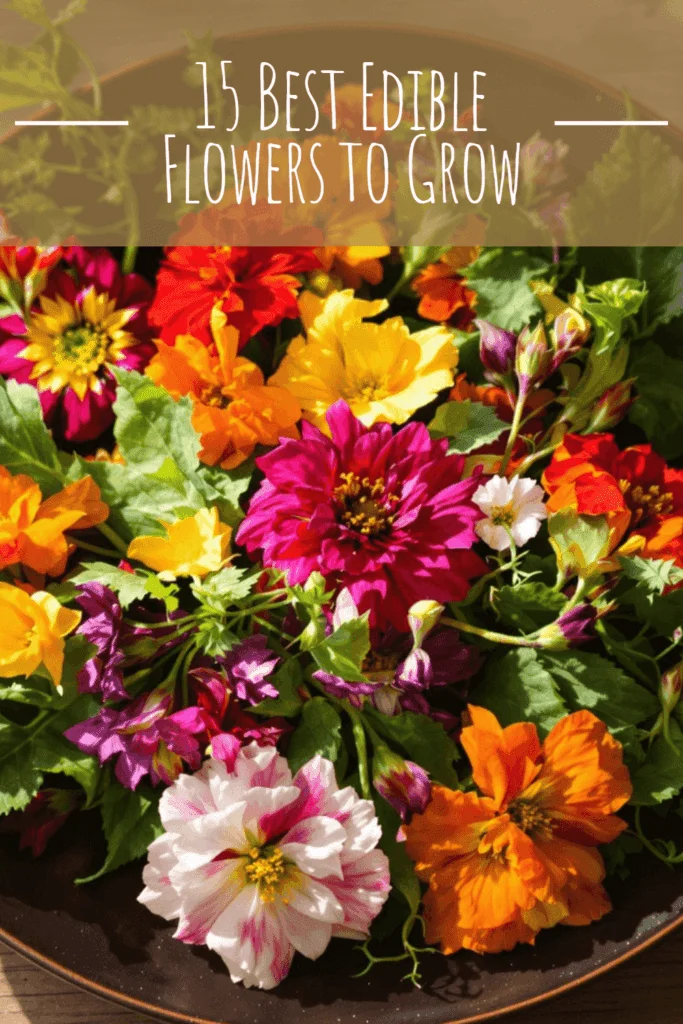
Want to add a touch of magic to your meals? Growing edible flowers is the perfect way to elevate your cooking while creating a stunning garden. From delicate violets sprinkled on desserts to spicy nasturtiums in summer salads, we’ve listed 15 of the best edible flowers to bring both beauty and flavor to your table.
Why Grow Your Own Edible Flowers?
Store-bought edible flowers can be expensive and hard to find. Growing your own ensures:
- Fresh, chemical-free blooms whenever you need them
- Cost-effective garnishes for special occasions
- Beautiful flowers for both garden and plate
- Extended harvesting season
The 15 Best Edible Flowers for Your Garden
1. Nasturtiums: A Burst of Color and Flavor
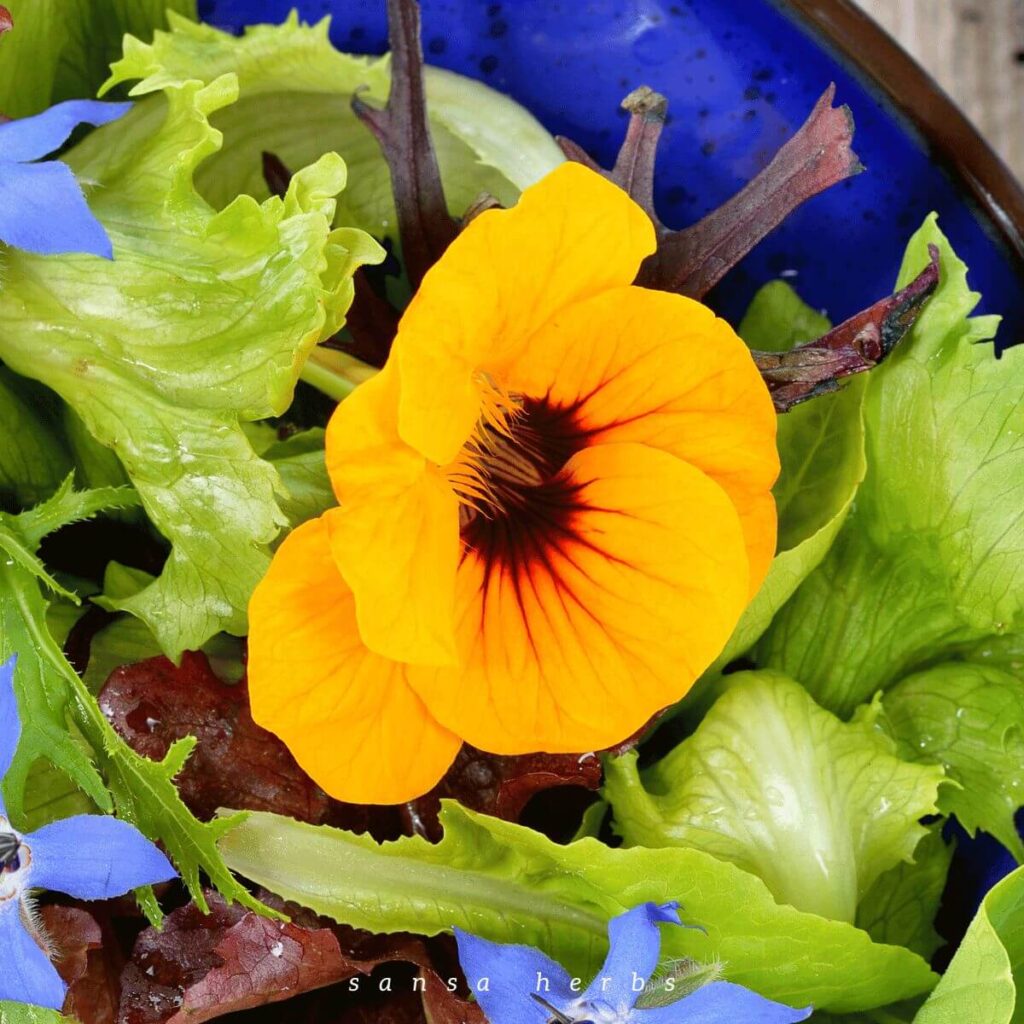
These bright blooms offer a peppery kick perfect for:
- Salad garnishes
- Colorful sandwich additions
- Infused vinegars
- Container gardens
Growing tip: Nasturtiums thrive in poor soil and full sun, making them incredibly easy to maintain.

- Variety: Jewel Mixed Nasturtium, scientifically known as Tropaeolum nanum, is a compact variety of nasturtium, ideal for…
- Appearance: This variety features vibrant, jewel-like flowers in shades of red, orange, yellow, and sometimes mahogany. …
- Growth Habit: Tropaeolum nanum grows in a bushy, dwarf form, typically reaching only about 12-18 inches in height, makin…
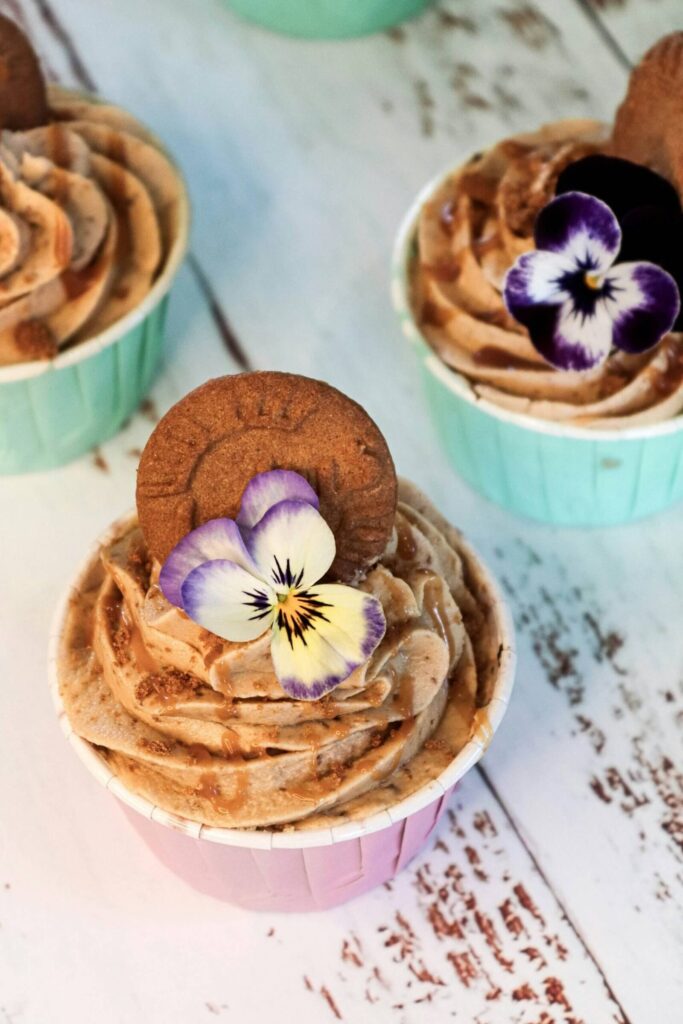
2. Pansies: Year-Round Color
These cheerful faces are:
- Perfect for decorating cakes
- Mild in flavor
- Cold-tolerant
- Great for window boxes

- 1,000+ non-GMO heirloom pansy seeds: These seeds are grown from heirloom pansies, which are known for their vibrant colo…
- Directions: Pansy seeds are fairly difficult to germinate and require very specific conditions. However, with the proper…
- You will want to start your seed at a fairly cool temperature, 60F to 65F. Sprinkle your seeds onto your starting mix, t…
3. Borage: The Cucumber-Flavored Star
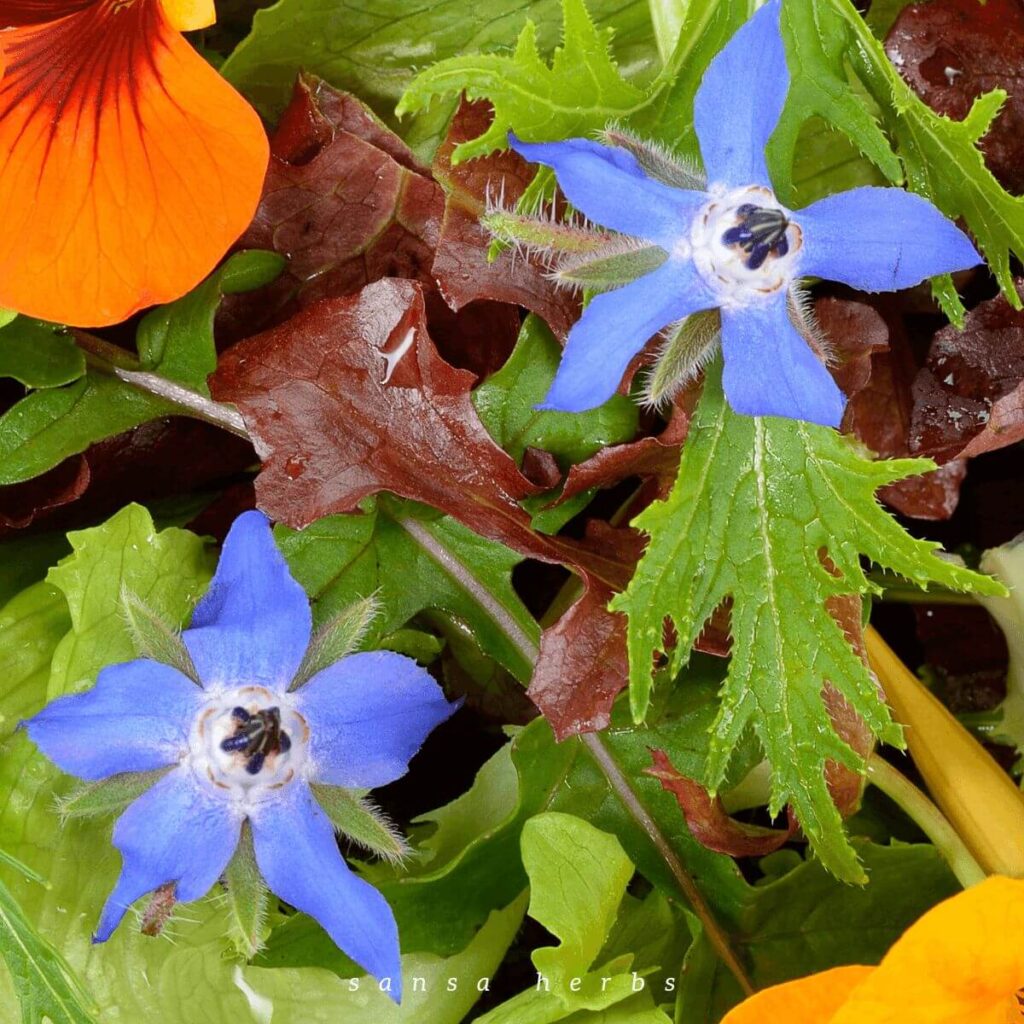
Beautiful blue flowers that:
- Taste like fresh cucumber
- Freeze beautifully in ice cubes
- Attract pollinators
- Self-seed readily

- Edible Flowers – Borage Seeds produce an attractive herb that produces deep blue, star shaped blooms atop furry stems. T…
- Edible Leaves – Harvest Blue Borage leaves when they are young for best flavoring. The leaves will start getting pretty …
- Growth – Borage is grown as an annual flowering herb. It will grow to a mature height of roughly 12″ to 24″ tall and can…
4. Violas: Delicate Decorators
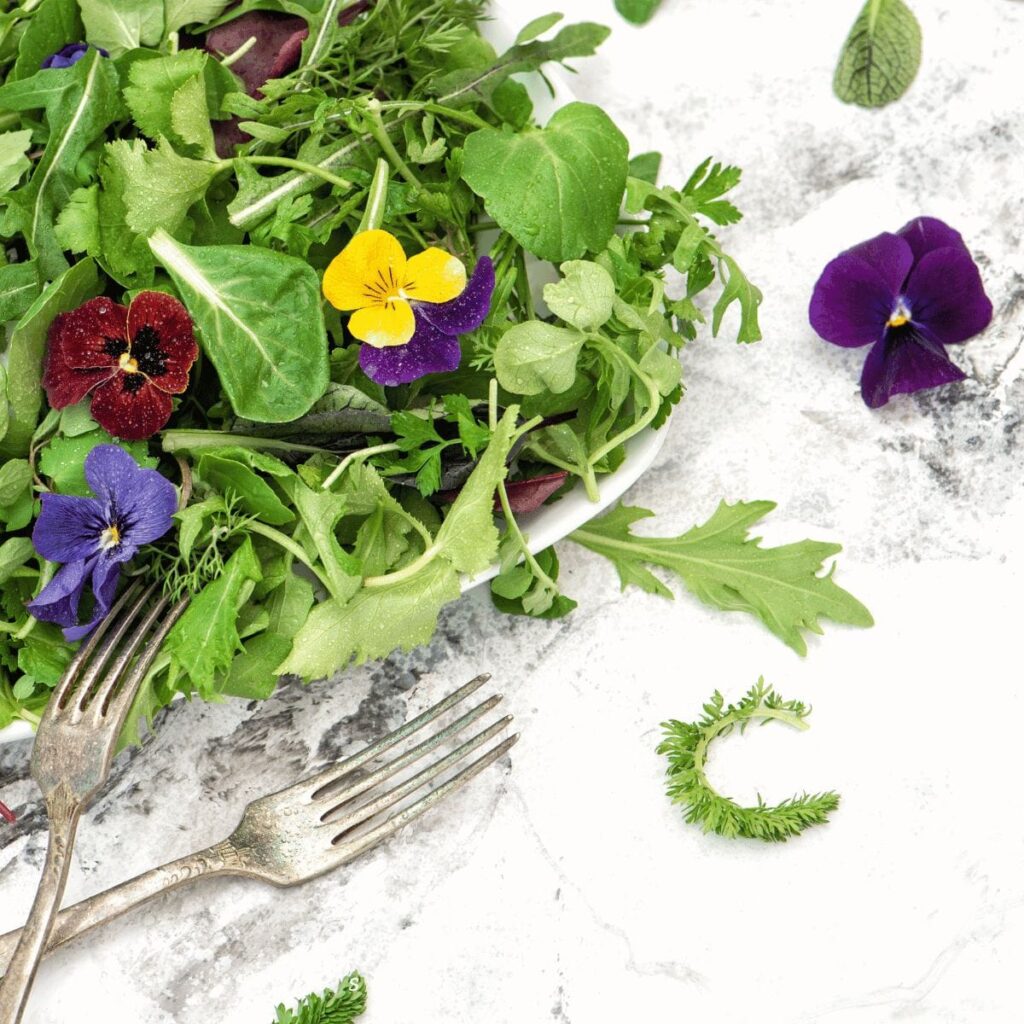
Smaller cousins of pansies that offer:
- Sweet, subtle flavor
- Long blooming season
- Perfect size for garnishing
- Winter hardiness in many zones

- Vivid Colors: The Bambini Viola Blend features a stunning array of colors, including shades of red, violet, and yellow, …
- Compact Growth: These violas grow to a mature height of 6-8 inches, making them ideal for small spaces, borders, contain…
- Seasonal Behavior: Considered an annual in cooler climates and a tender perennial in warmer regions, they bloom profusel…
5. Marigolds: Bold and Beautiful
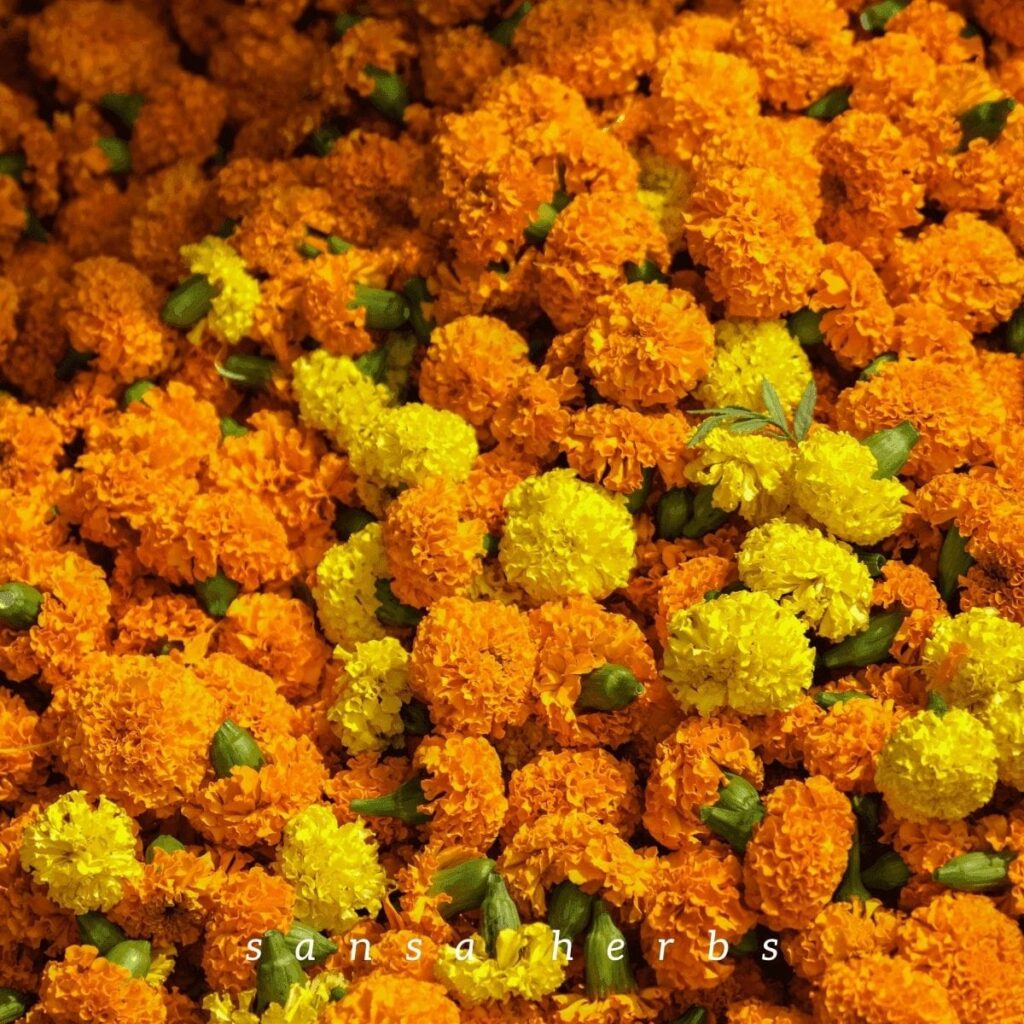
Citrusy flowers that provide:
- Natural food coloring
- Pest-repelling properties
- Continuous blooms
- Easy care

- Beautiful – Large premium packet of Crackerjack African Marigold (Tagetes erecta) seeds. Large bushy plant with a lively…
- Productive – Marigolds germinate in 10-12 days when soil temps are 70°F. Plant 1/4” deep and space 24” apart in an area …
- Pollinator Friendly – These flowers are perfect for creating stunning landscapes, attracting pollinators like bees and b…
6. Squash Blossoms: Garden Delicacies
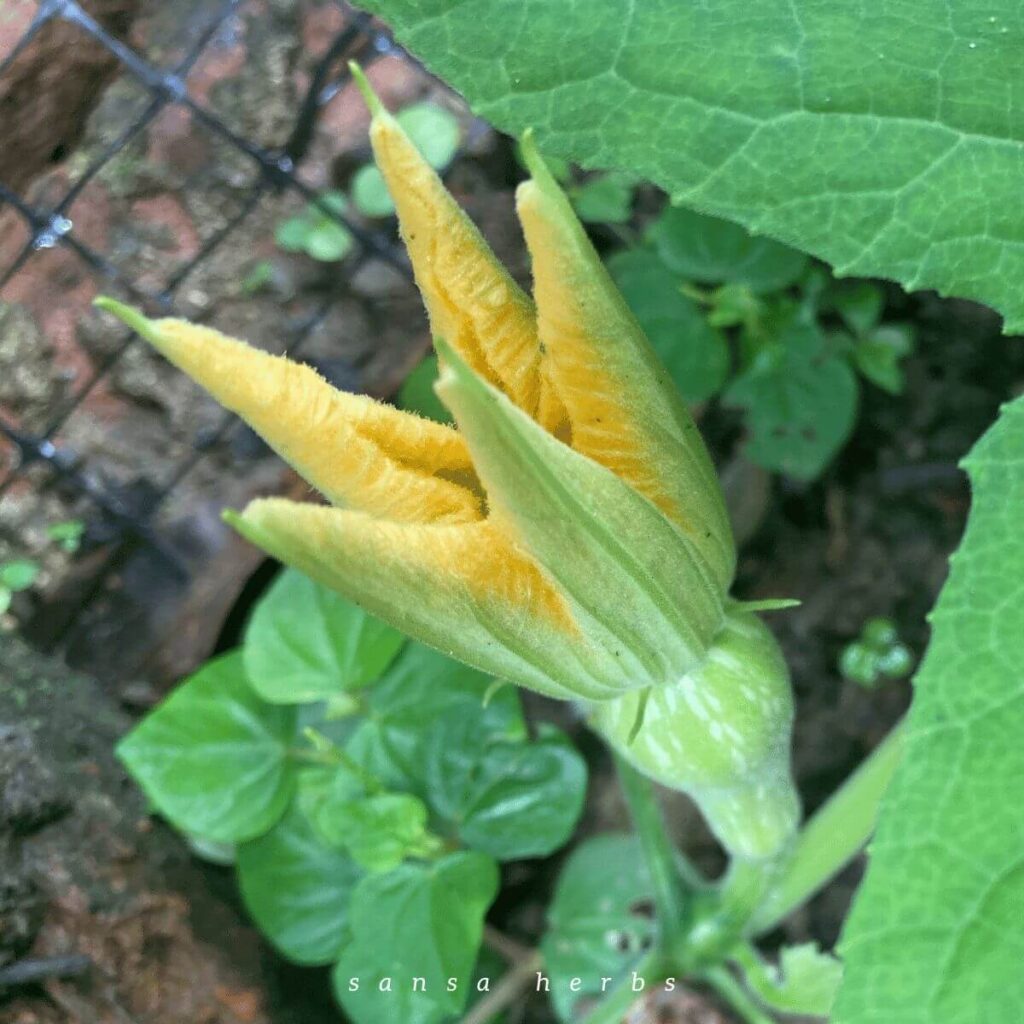
Prized by chefs for:
- Stuffing and frying
- Mild squash flavor
- Large, showy blooms
- Dual-purpose plants
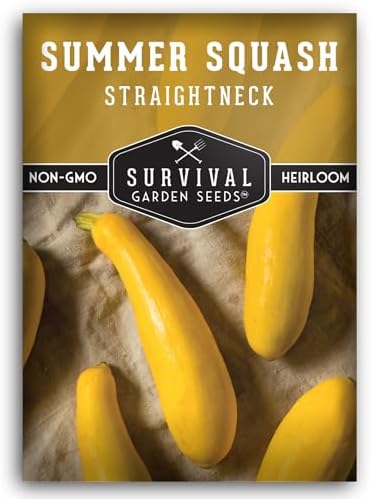
- YELLOW SUMMER SQUASH SEEDS – Straightneck squash (Cucurbita pepo) produces smooth yellow fruits with tender texture; a r…
- HIGH YIELD VARIETY – Straightneck squash produces quickly in warm weather with steady yields; harvest young for best qua…
- EASY TO GROW FROM SEED – Excellent for beginners, simply direct sow after last frost in full sun with soil above 70°F; t…
7. Bee Balm: Pollinator Paradise
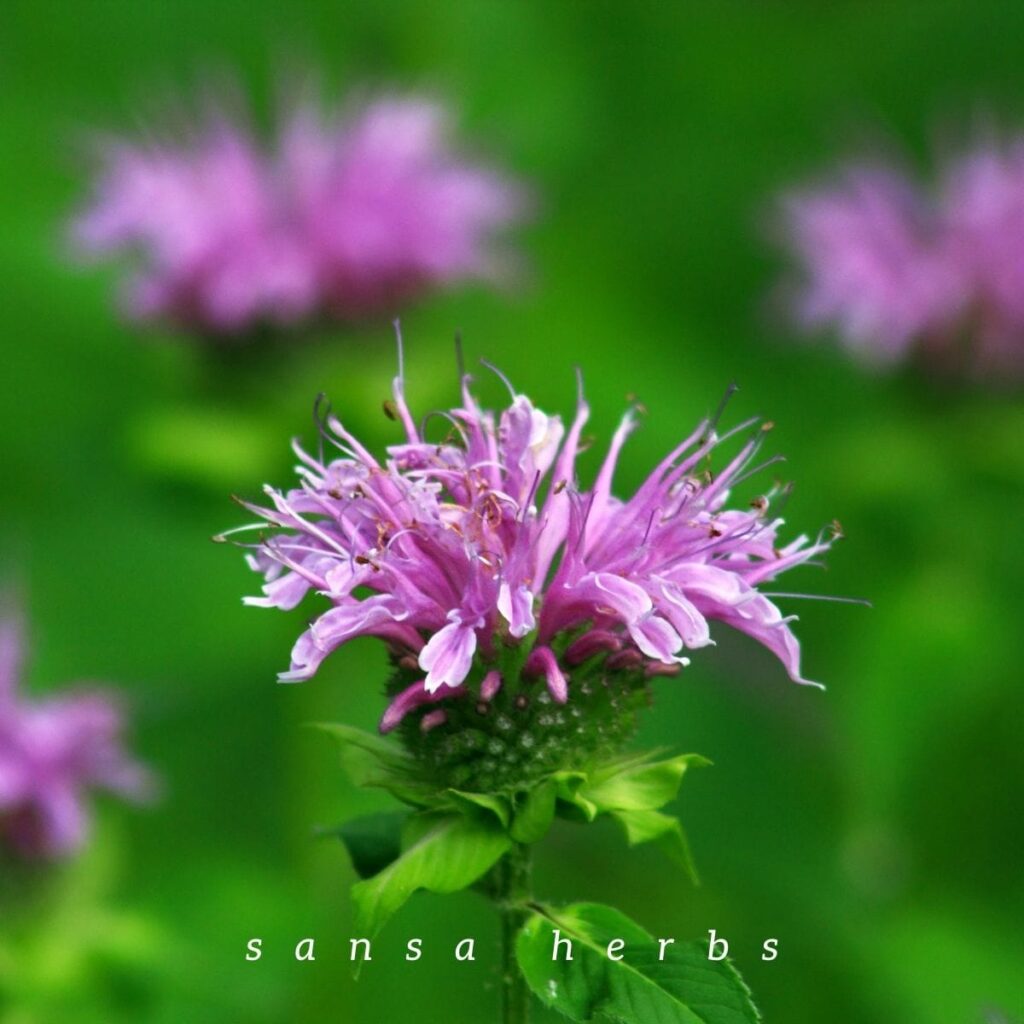
These unique flowers offer:
- Minty-citrus flavor
- Striking appearance
- Herbal tea potential
- Native plant benefits

- Attracts Pollinators: Spotted Bee Balm is exceptionally attractive to bees, butterflies, and other pollinators, making i…
- Medicinal Uses: This plant has been used traditionally for its medicinal properties. It contains thymol, which has antis…
- Unique Appearance: The flowers of Spotted Bee Balm are quite distinctive, with tubular yellow petals spotted with purple…
8. Chive Blossoms: Onion-Kissed Beauties
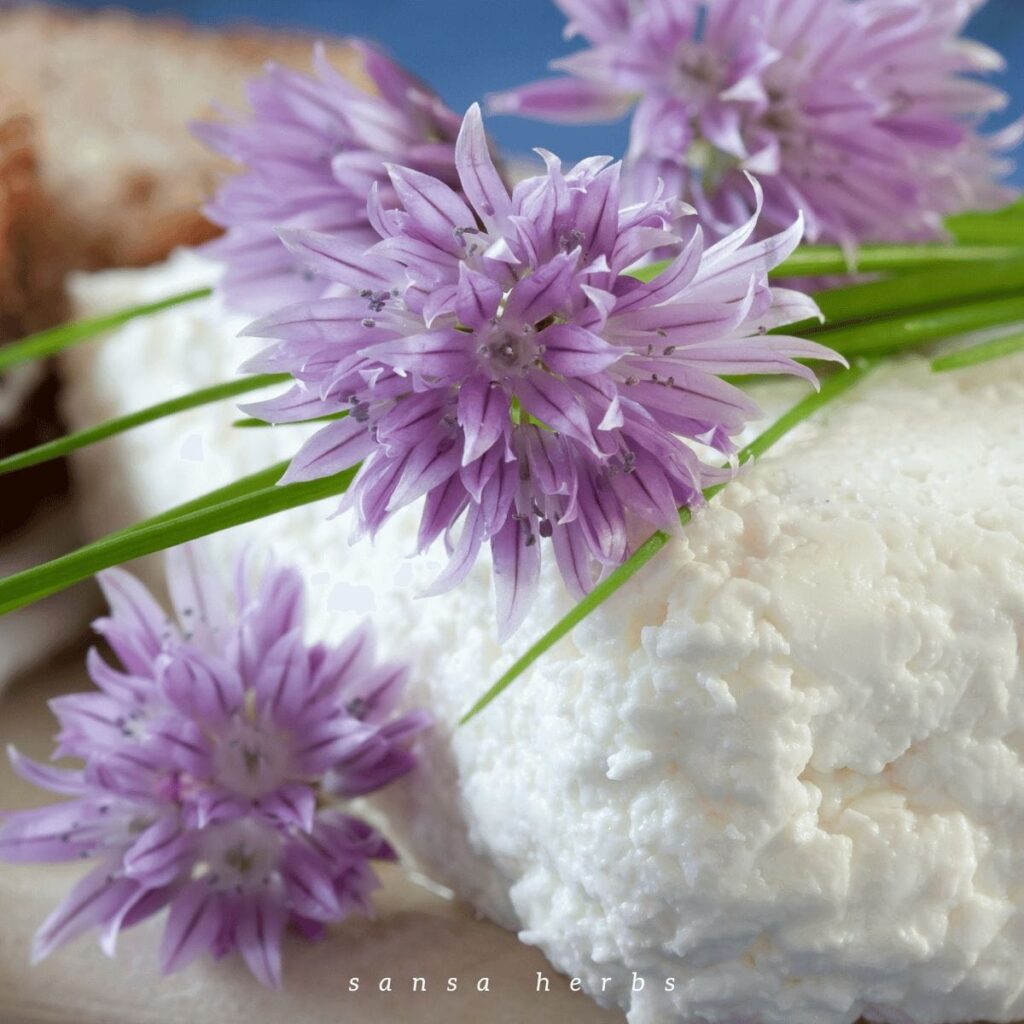
Delightful purple poms that provide:
- Mild onion flavor
- Beautiful color in salads
- Easy growing
- Perennial reliability
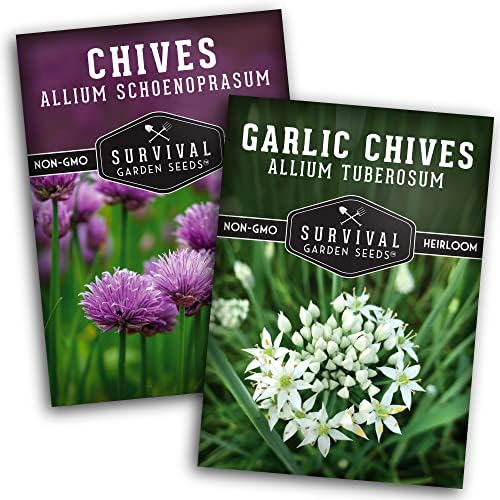
- HARDY PERENNIAL HERBS – Common chives (Allium schoenoprasum) and garlic chives (Allium tuberosum) are easy to grow from …
- TWO CHIVE VARIETIES – Common chives have round leaves and purple flowers; garlic chives produce flat leaves with mild ga…
- INDOOR OR OUTDOOR PLANTING – Grow these perennial herb seeds in pots, raised beds, containers, or garden rows with plent…
9. Thyme Flowers: Tiny Treasures of Flavor
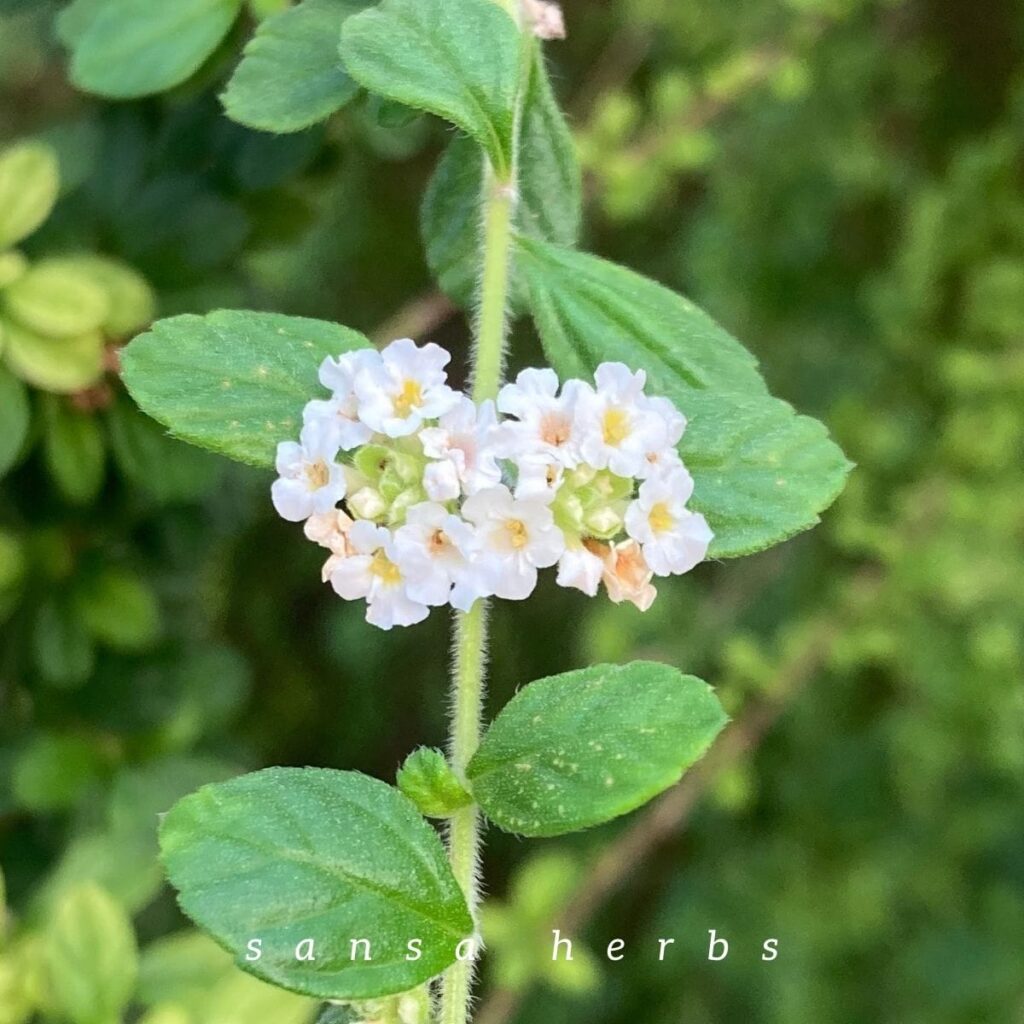
Often overlooked, the delicate flowers of the thyme plant offer a concentrated burst of the herb’s familiar flavor, adding a delightful touch to culinary creations. These tiny blooms, appearing in shades of white, pink, or lavender, bring more than just visual appeal; they are a flavorful secret weapon for the discerning cook.
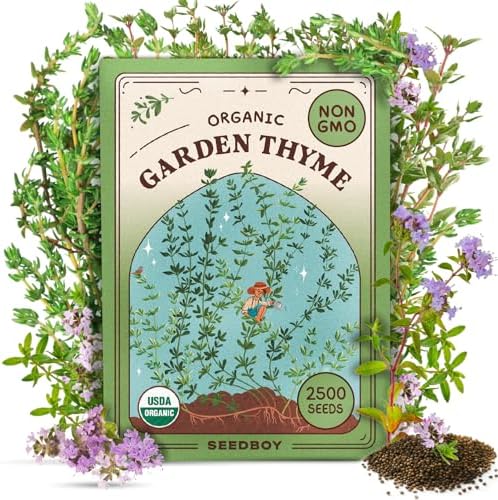
- Non-GMO & Organic Certified Seeds – Grow with confidence using USDA Certified Organic by OTCO and Non-GMO Common Thyme s…
- Our Germination Promise – If your thyme seeds don’t sprout, let us know! We’ll send a free replacement to ensure your ga…
- Generous Seed Count – Each packet includes 250 premium thyme seeds (500 mg), perfect for pots, garden beds, containers o…
10. Sunflowers: More Than Just Seeds
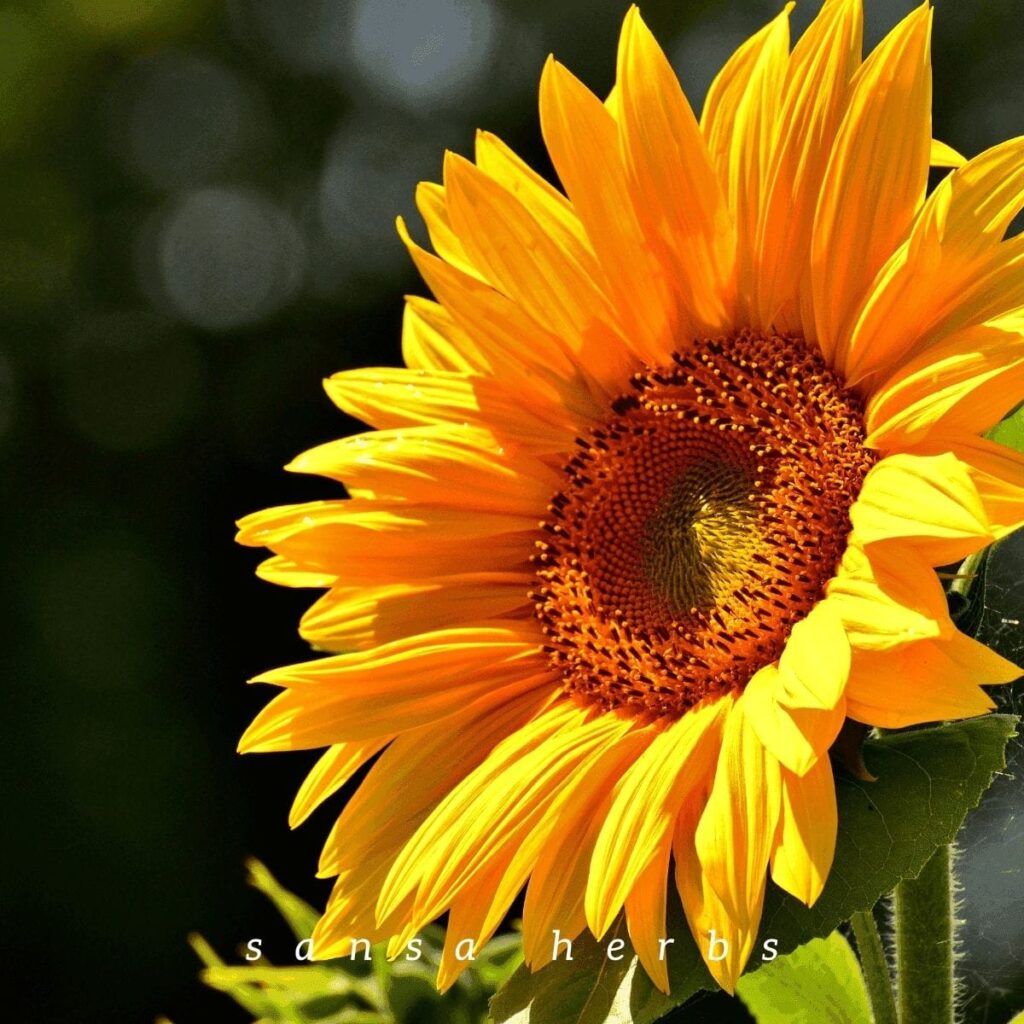
Young sunflower buds are:
- Similar to artichokes
- Easy to grow
- Striking in the garden
- Perfect for children’s gardens
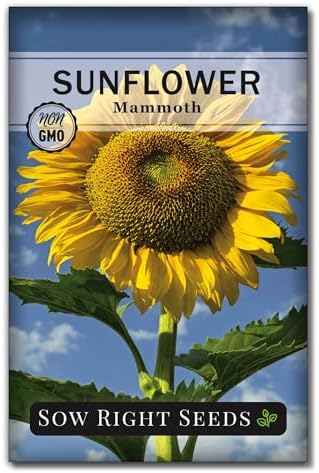
- Beautiful – Mammoth Sunflower (Helianthus var. ‘Mammoth’) seeds. These seeds grow crazy tall huge beautiful sunflowers w…
- Productive – Mammoth Sunflower germinates in 7-14 days when soil temps are 70-75°F. Plant 1” deep and space 3’ apart in …
- Pollinator and Bird Friendly – Bees love the nectar in sunflowers and will travel around helping pollinate your garden. …
11. Rose Petals: Classic Beauty
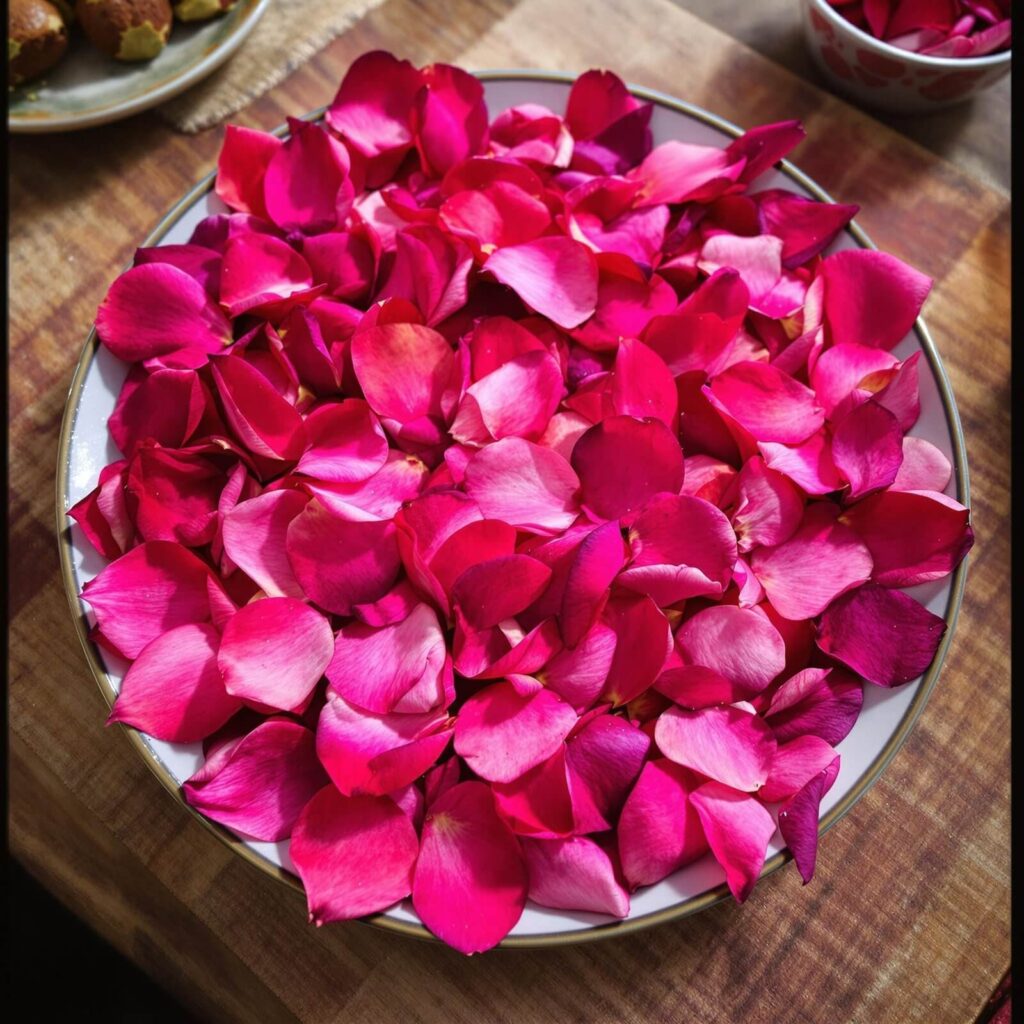
Choose fragrant varieties for:
- Wedding cake decoration
- Rose petal tea
- Crystallized decorations
- Natural confetti
12. Moringa Flowers: Nutritional Powerhouses
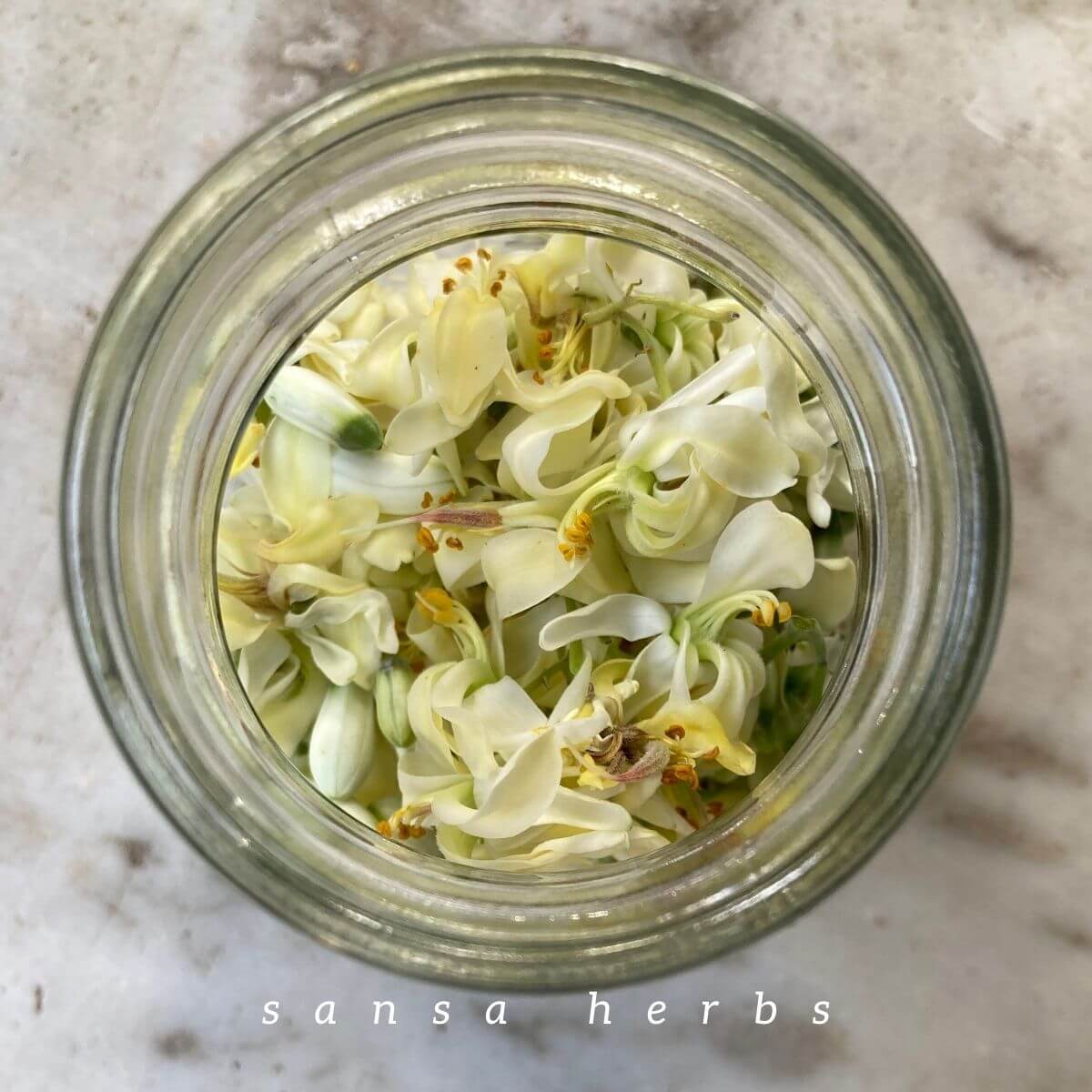
Moringa flowers, from the “miracle tree,” are not only edible but also packed with nutrients. These small, white flowers offer a mild, slightly sweet flavor and a host of health benefits.
- Rich in vitamins A and C, potassium, iron, and amino acids.
- Contain antioxidants that may help lower blood pressure and reduce inflammation.
- Used in various dishes, including fritters, curries, and teas.
- Common in Bengali cuisine, often cooked into “chorchori.”
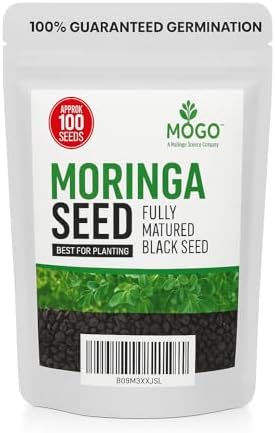
- 🌿 Premium Quality Moringa Seeds for Planting – Fresh batch of over 100 moringa seeds approx directly collected from smal…
- 🌱 How to Germinate Moringa Seeds – MOGO’s moringa seeds for planting are high-quality, indigenous variety seeds. For bes…
- ☀️ Longer Growing Season: Now is the perfect time! Starting early gives your moringa tree more time to establish strong …
13. Hollyhocks: Vintage Charm
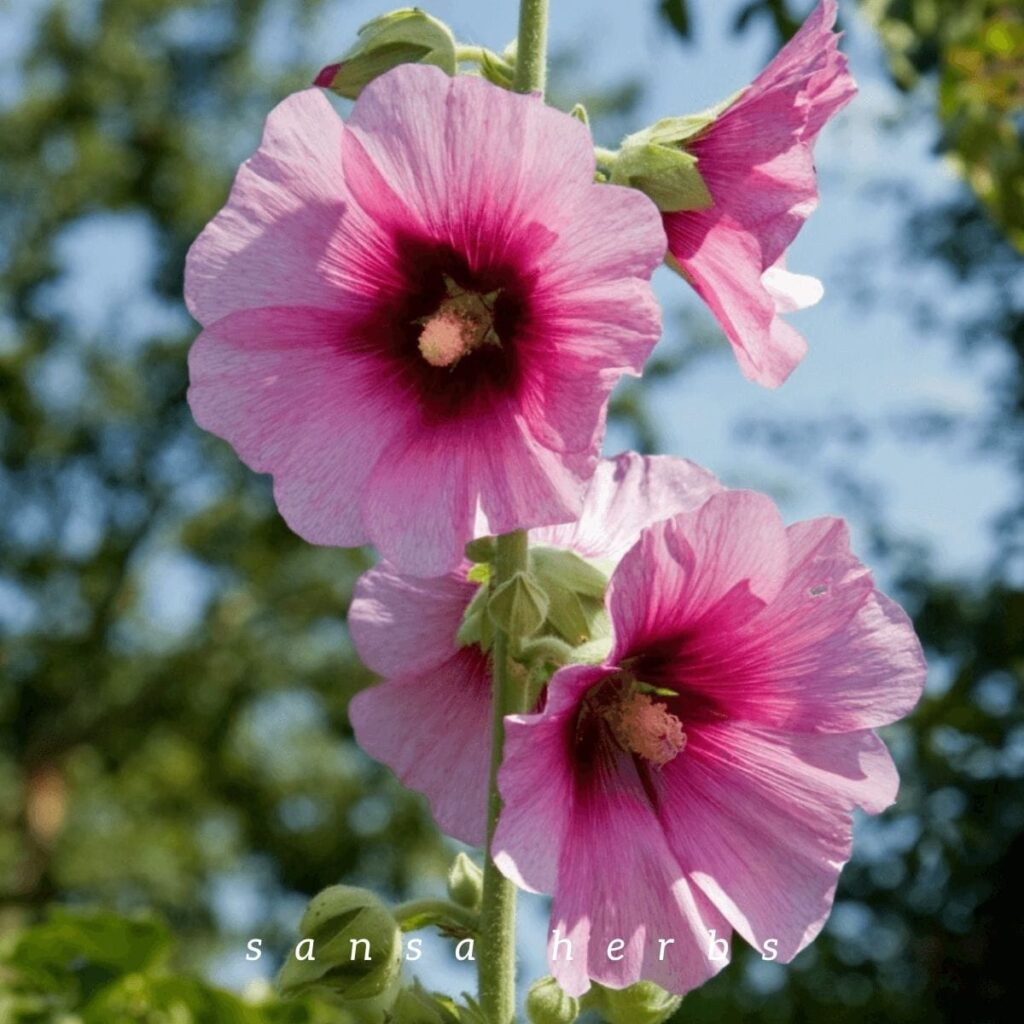
Traditional garden favorites offering:
- Mild flavor
- Dramatic height
- Historical appeal
- Biodiversity support

- Biennial Plant – This beautiful hollyhock is a biennial that can be planted in spring for summer flowers, or in fall for…
- Colorful Plants – Blooms in a beautiful variety of colors including white, yellow, pink, and red on very tall spikes tha…
- Grow Now or Later – Plant now or store for future growing seasons. Will remain viable for years if stored in a cool dry …
14. Bachelor’s Buttons: True Blue Beauty
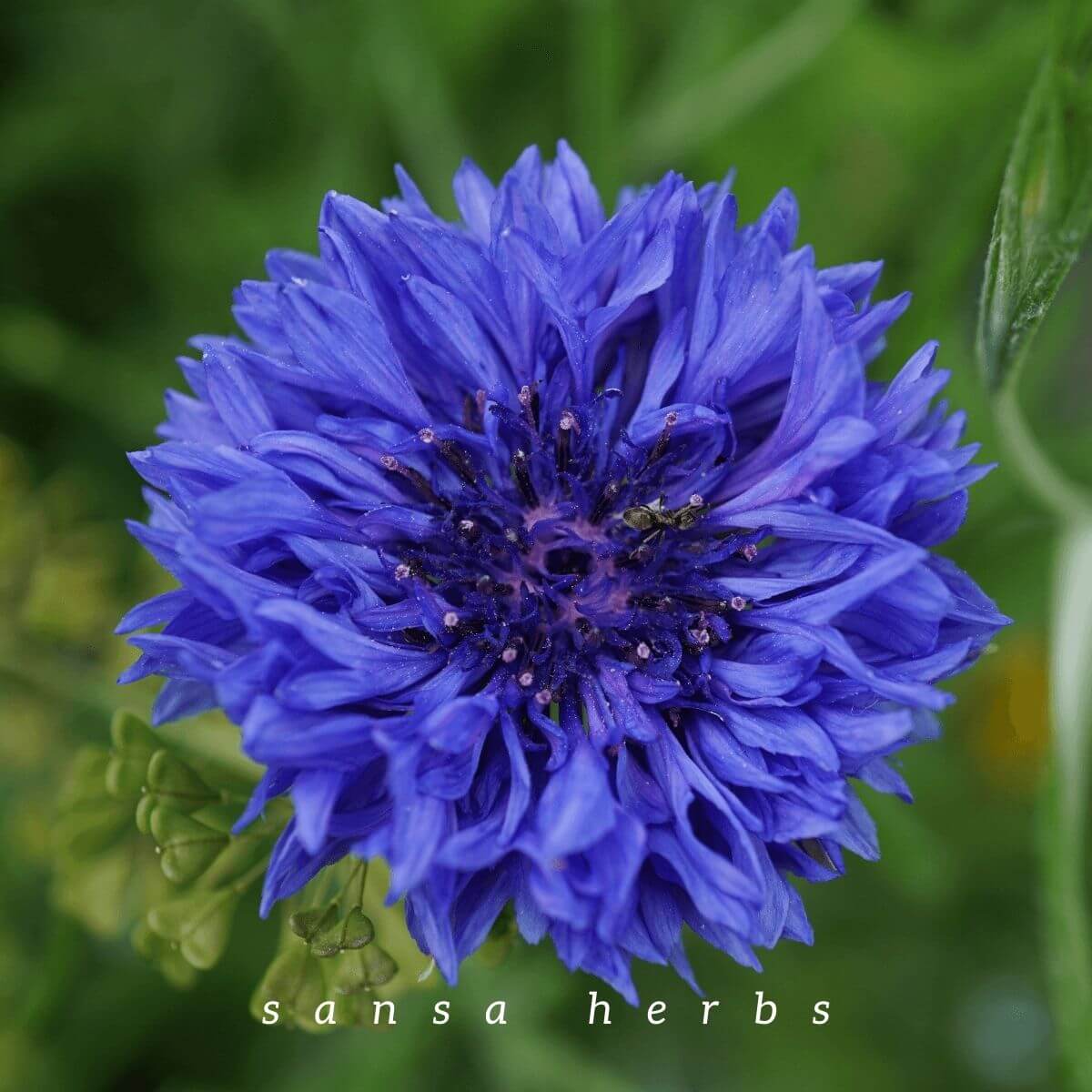
These cornflowers provide:
- Striking blue color
- Mild, sweet flavor
- Easy growing
- Excellent cutting flowers
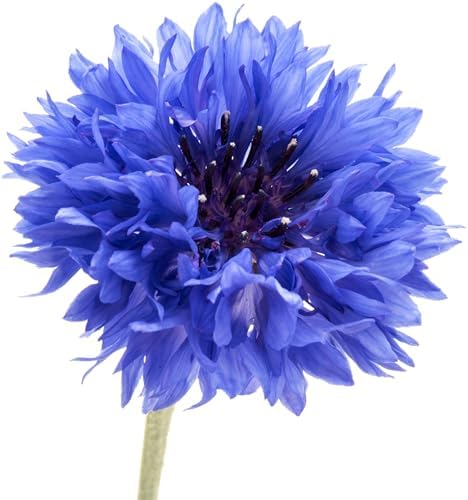
- Grows 12-24 inches tall and produces large beautiful blue blooms
- Attracts butterflies and the gazes of your neighbors
- Easy to grow
15. Globe Amaranth: A Colorful and Edible Delight
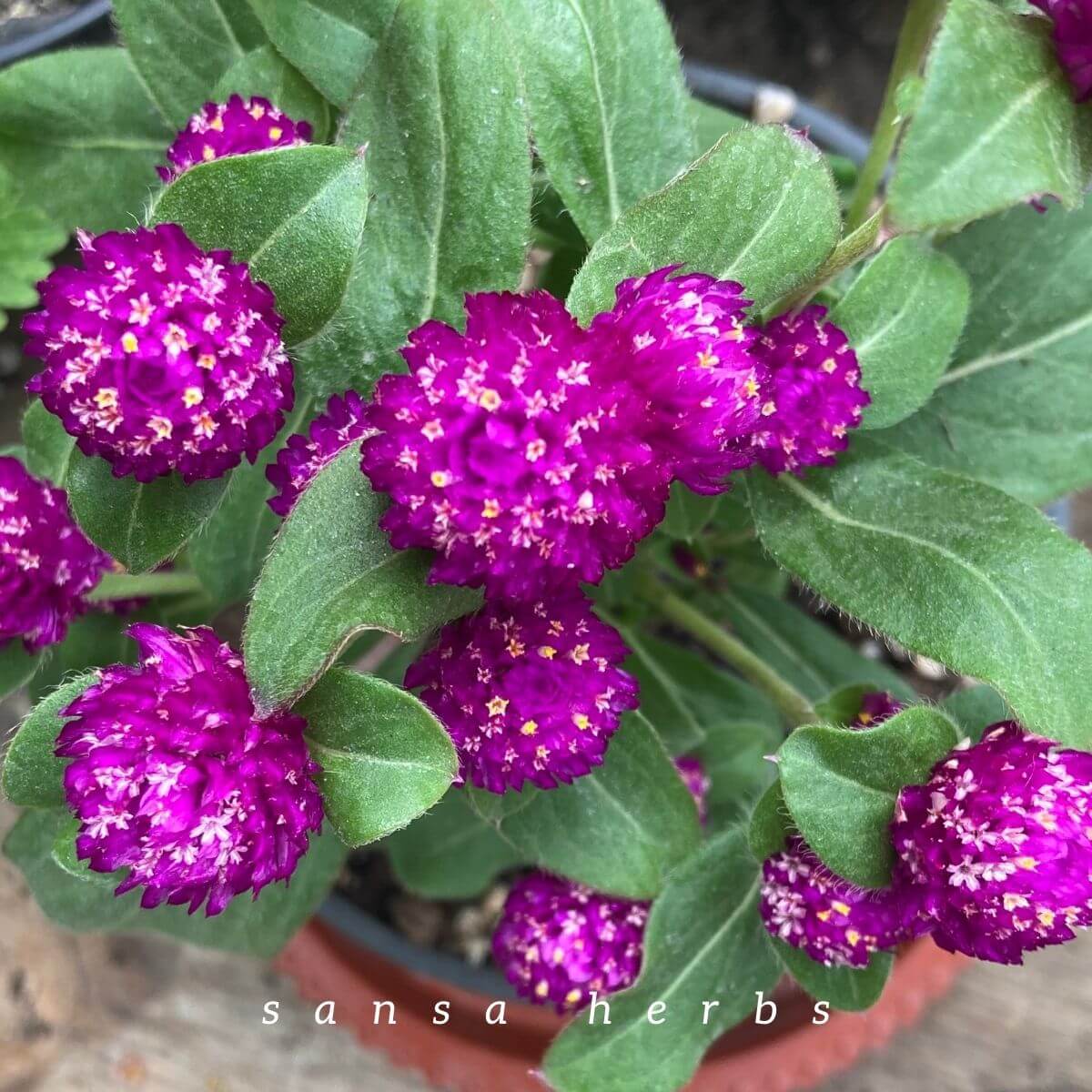
Globe amaranth flowers, with their vibrant, round blooms, offer a unique touch to culinary creations. Their mild, slightly sweet flavor lends itself well to both sweet and savory dishes, making them excellent garnishes for salads, desserts, and even main courses. Beyond their visual appeal, these colorful flowers can be steeped to create a soothing, aromatic tea, and they also serve as a natural source of food coloring, adding a touch of natural vibrancy to various recipes.
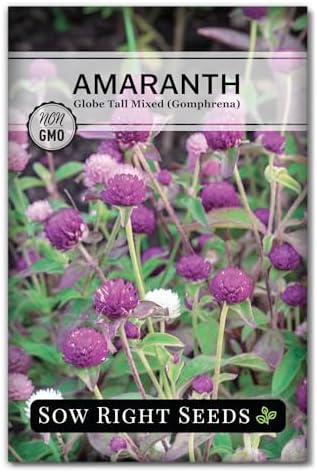
- Beautiful – Large premium packet of Tall Mixed Globe Amaranth (Gomphrena globosa) seed. This variety produces an abundan…
- Productive – Tall Mixed Globe Amaranth germinates in 7-14 days when soil temps are 70-80°F. Plant on top of the soil and…
- Pollinator Friendly – Globe Amaranth, or Gomphrena, is an annual that is commonly used in flower beds and landscapes. Po…
Growing Tips for Success
- Start with organic seeds or plants
- Avoid chemical pesticides
- Harvest in the morning
- Remove stamens before eating
- Introduce new flowers gradually to your diet
Beyond Decorative: Medicinal Edible Flowers
While these flowers are beautiful and delicious, some edible flowers offer additional wellness benefits. Interested in growing flowers that are both beautiful and beneficial?
Check out our complete guide to Growing Edible Medicinal Flowers for varieties like calendula, lavender, and chamomile that serve both your plate and your wellness routine.
Getting Started
Ready to create your edible flower garden? Here’s what you need:
- Well-draining soil
- Appropriate containers or garden space
- Organic seeds or seedlings
- Basic gardening tools
- Plant markers (flowers can look similar!)
Safety Notes
- Always verify flower edibility with a reliable source
- Start with small quantities when trying new edible flowers
- Some flowers have edible petals but inedible centers
- Remove all pesticides and fertilizers before consuming
- When in doubt, leave it out
Want more gardening inspiration? Follow us on Pinterest for daily tips and beautiful garden ideas!
FAQ
When is the best time to plant edible flowers?
Most edible flowers can be started indoors 6-8 weeks before the last frost date in your area.
Can I grow edible flowers in containers?
Yes! Most edible flowers adapt well to container growing, making them perfect for patios and balconies.
How do I harvest edible flowers?
Harvest in the morning when flowers are fresh. Use scissors to cut just below the flower head.
Happy Growing!