
The Herb Gardener’s Essential Toolkit
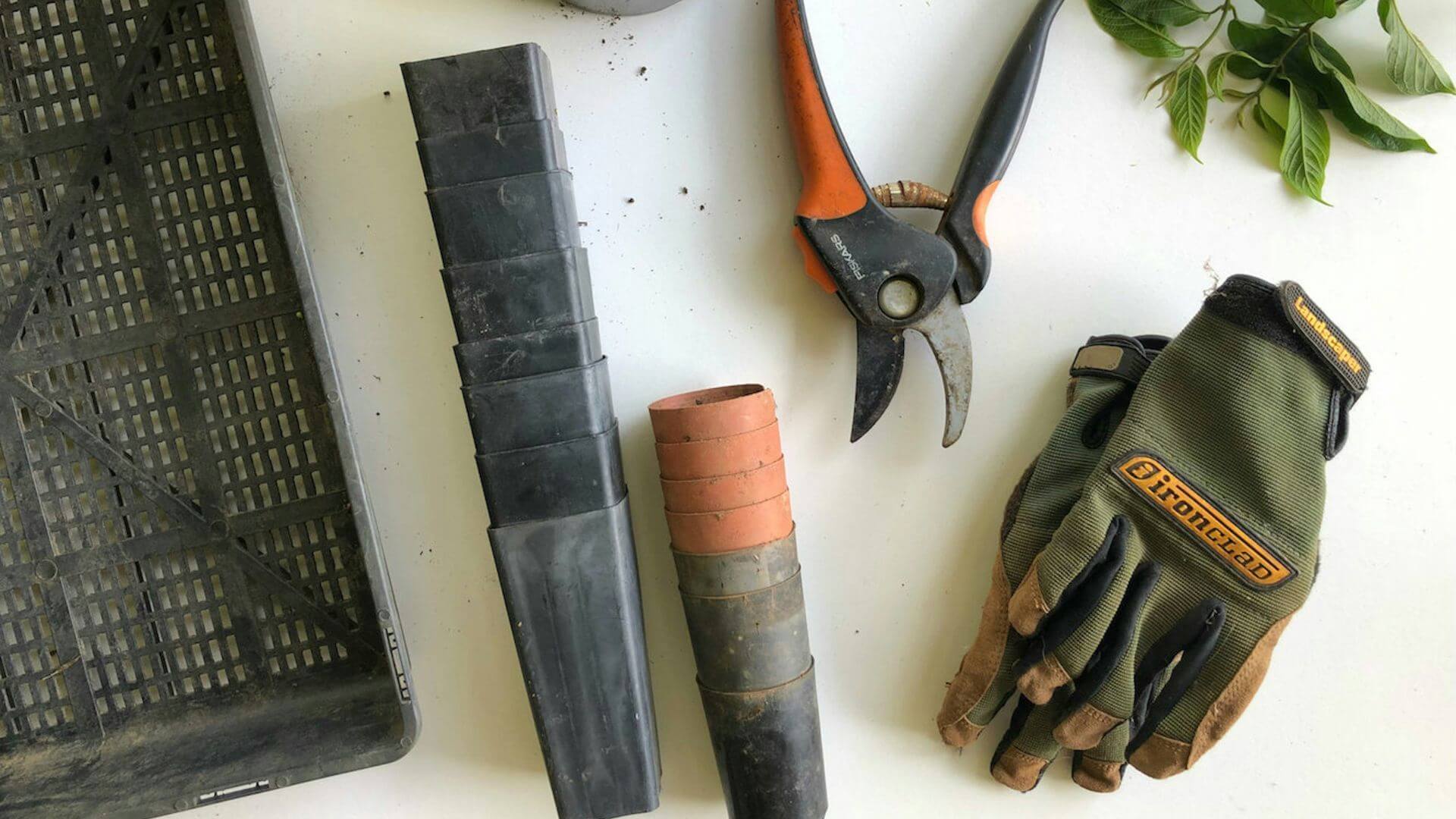
Essential herb gardening tools make it easier to plant, care for, and harvest herbs successfully. Whether you are starting fresh or upgrading your kit, having the right tools will save time, reduce strain, and keep plants healthy. In this guide, you will discover the essential herb gardening tools that make growing easier, faster, and more rewarding.
This page contains affiliate links. As an Amazon Associate I earn from qualifying purchases. Read my full disclaimer.
Planting & Preparing the Garden with Essential Herb Gardening Tools
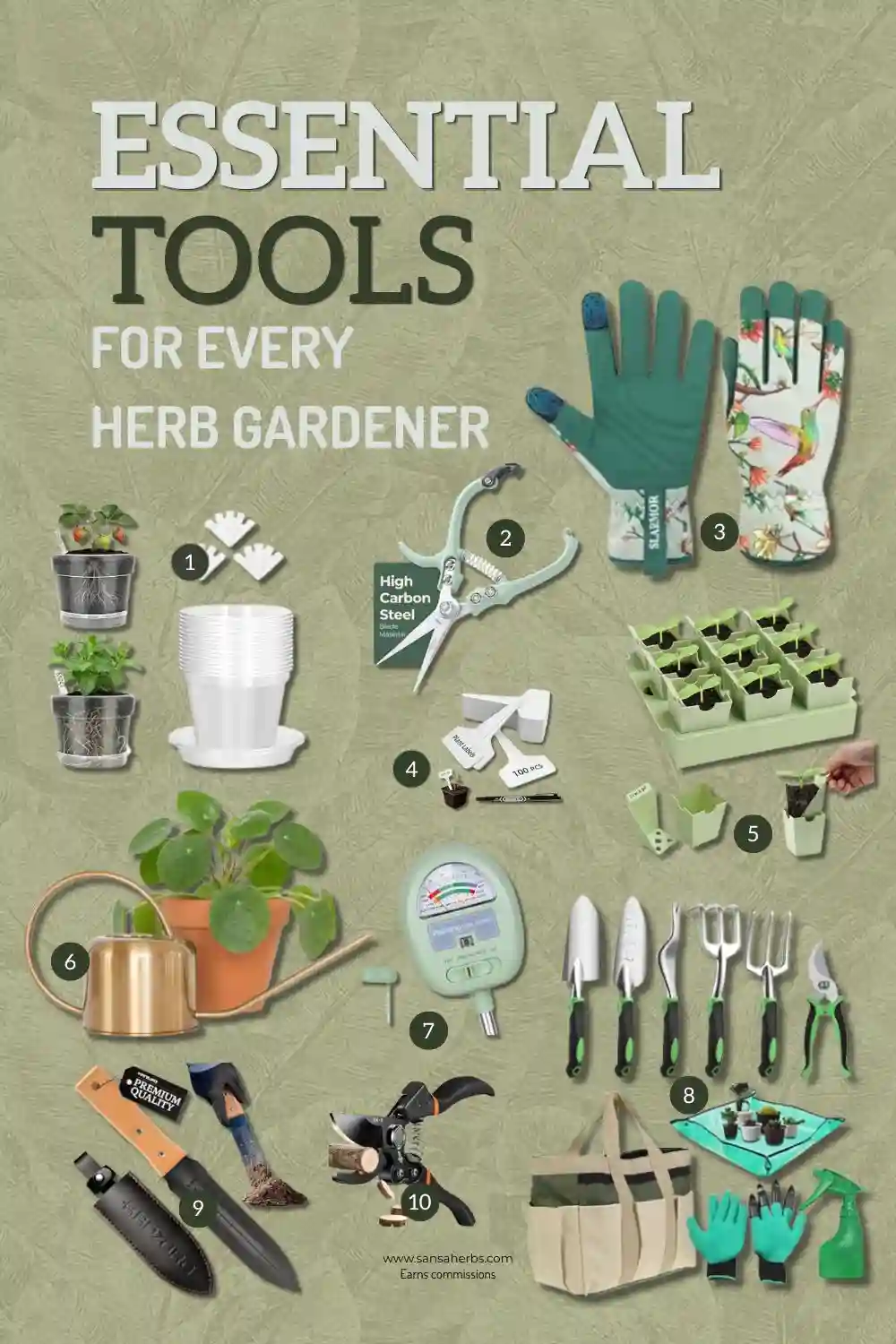
Build your herb garden from the ground up with essential herb gardening tools for soil preparation, seed starting, and strong, healthy roots.
*Numbers below correspond to the Collage above*
Garden Tool Set
#8 – TianfuSpanda 10 piece garden tool set
Why This Tool is Essential: For beginners, or anyone looking for a comprehensive and organized start, a well-rounded tool set is invaluable. It provides all the basic implements you’ll need for various gardening tasks, ensuring you’re never caught unprepared. This particular set stands out for its thoughtful inclusion of a tote, making organization and transport a breeze.
What to Look For: When choosing a set, prioritize durability (rust-resistant materials like stainless steel), comfortable, non-slip grips, and a good variety of essential herb gardening tools (trowel, rake, transplanter, gloves, spray bottle). A sturdy tote is a huge bonus for keeping everything together.
Our Experience: We love how this set bundles everything a new herb gardener needs into one convenient package. The quality of the tools is surprisingly good for a starter set, and the tote is incredibly practical for carrying tools around the garden or keeping them tidy in storage. It’s the perfect gift for aspiring herb gardeners! This bundle covers the essential herb gardening tools most beginners need to get confident fast.
Pruning Shears (Secateurs)
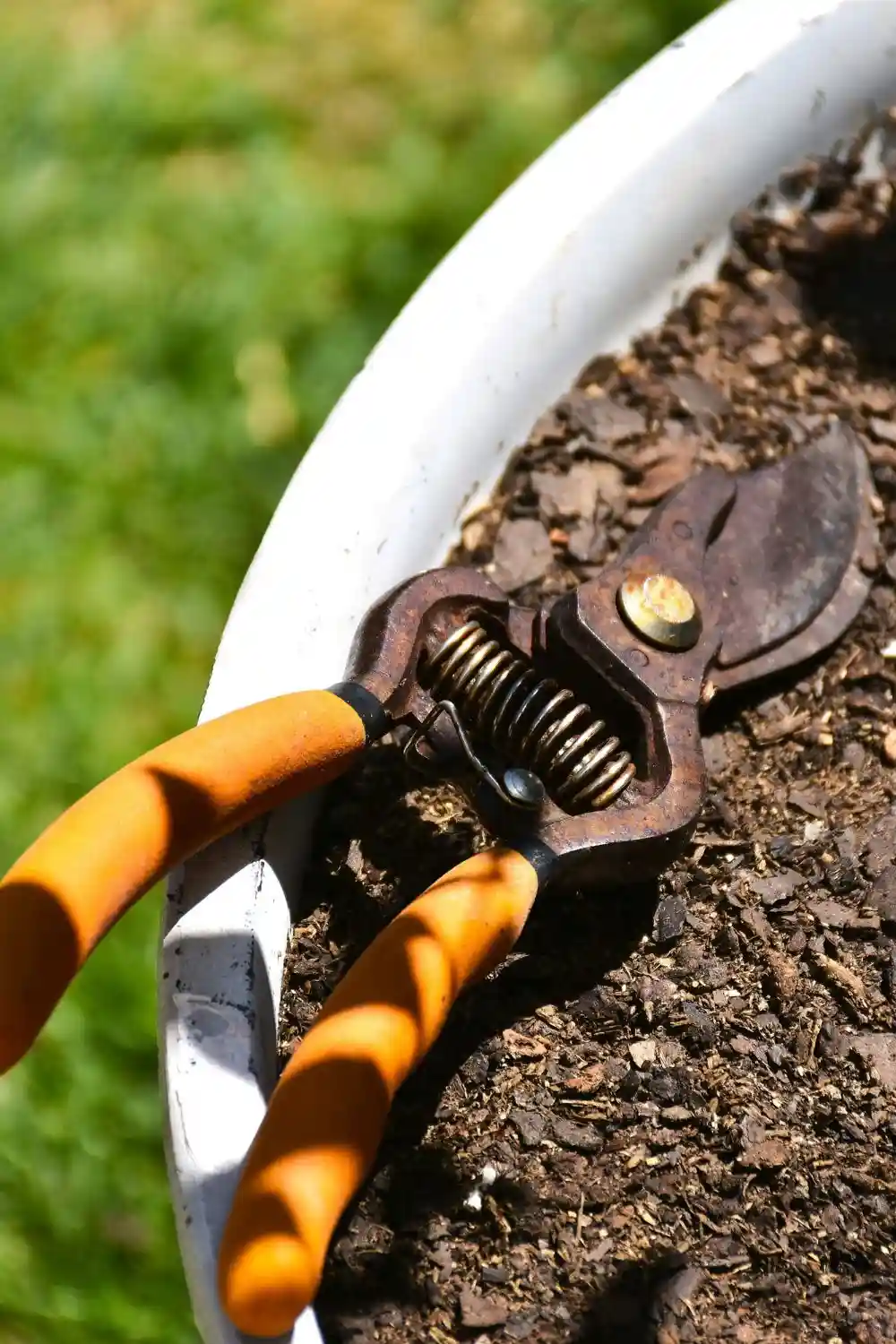
Pictured for inspiration. Our pick:
#10 – (Collage 1) / #3 (Collage 2) – DECERK 8.5″ Professional Pruning Shears, Titanium Blade
Why This Tool is Essential: Pruning shears are arguably the most important tool for any herb gardener. Regular and precise pruning encourages bushier growth, prevents disease, and ensures a continuous supply of fresh herbs. They allow you to make clean cuts without tearing stems, which is vital for plant health.
What to Look For: Look for sharp, rust-resistant blades (bypass pruners are generally best for live stems), a comfortable ergonomic grip that fits your hand, and a safety lock mechanism. Compact sizes are often ideal for delicate herb stems.
Our Experience: We use our pruning shears almost daily! They’re perfect for harvesting individual sprigs of rosemary, snipping basil leaves, or deadheading spent lavender blooms. A good pair makes all the difference in maintaining healthy, productive herb plants. We prefer a smaller, sharper pair for the precision needed with herbs.
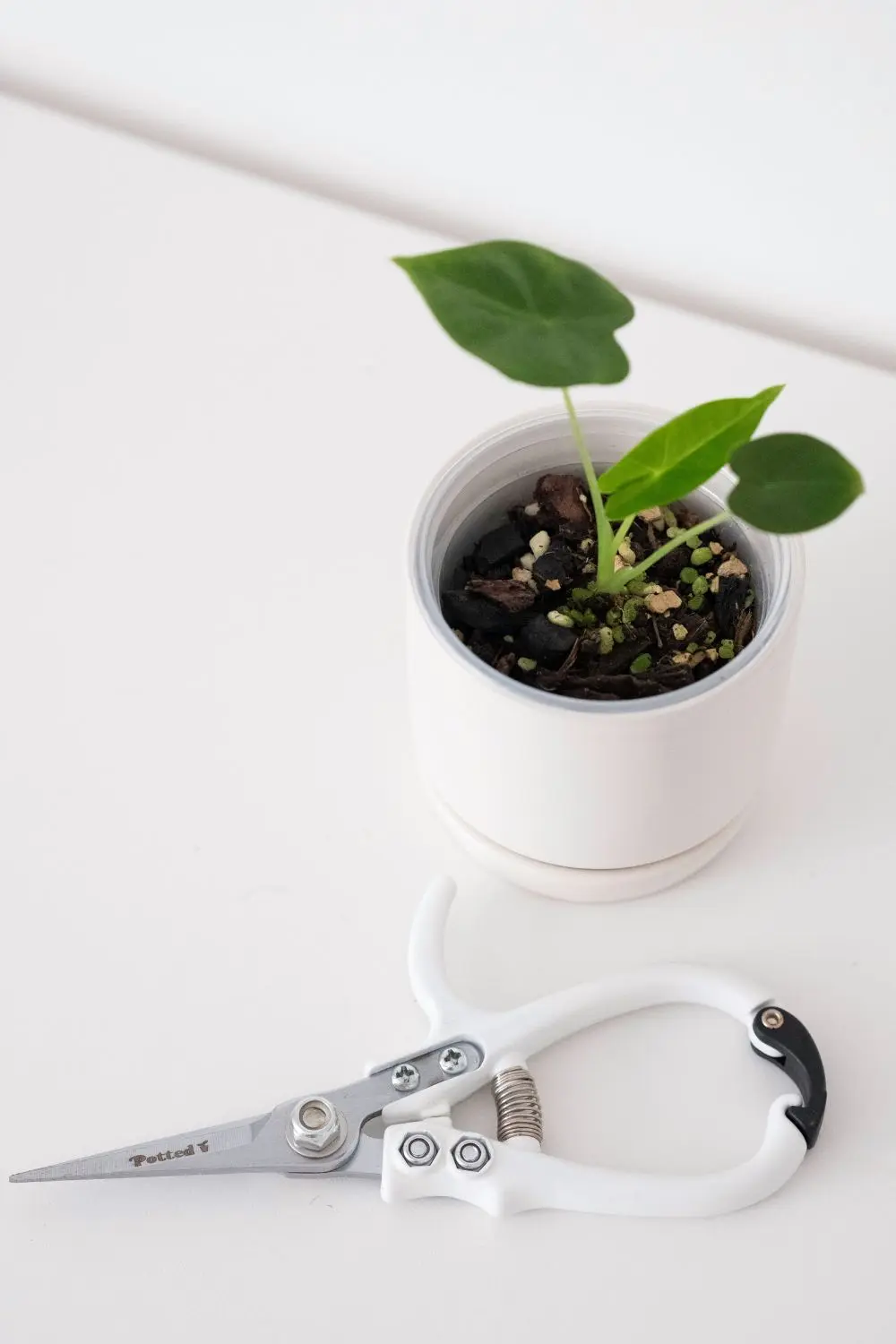
Pictured for inspiration. Our pick:
2 (Collage 1) / #2 (Collage 2) – Modern Sprout Herb Snipping Scissors, Sage
A lighter-weight option for everyday harvesting, easy lock closure, comes with a reusable holster, ideal for quick snips of basil, thyme, or mint without reaching for the bigger shears.
Garden Gloves: A Must-Have Essential Herb Gardening Tool

Pictured: gardening gloves in use. Our pick:
3 (Collage 1) / #2 (Collage 2) – SLARMOR Leather Gardening Gloves for Women
Why This Tool is Essential: Protecting your hands is paramount in the garden. Gloves shield you from dirt, thorns, rough soil, and potential irritants. They also provide a better grip on tools and help prevent blisters, making your gardening sessions more comfortable and enjoyable.
What to Look For: Seek out gloves that are durable yet flexible, offering good dexterity. Breathable materials are a plus for comfort, and a snug fit is important to prevent slippage. Consider waterproof options for wet tasks and reinforced fingertips for heavy use.
Our Experience: We’ve learned the hard way that a good pair of garden gloves is non-negotiable! From handling prickly stems to digging in rich soil, they keep our hands clean, safe, and comfortable. We especially love gloves with reinforced palms and a breathable upper to balance protection and comfort in the tropical heat.
🌿 Need Indoor Light for Your Herbs?
If you’re growing herbs in a shady spot or want to keep your tea garden thriving year-round, good lighting makes all the difference.
👉 Check out my top picks for the best grow lights for herbs, from compact setups to full-spectrum options for indoor gardening.
Watering & Weeding Essentials: Essential Herb Gardening Tools for a Thriving Garden
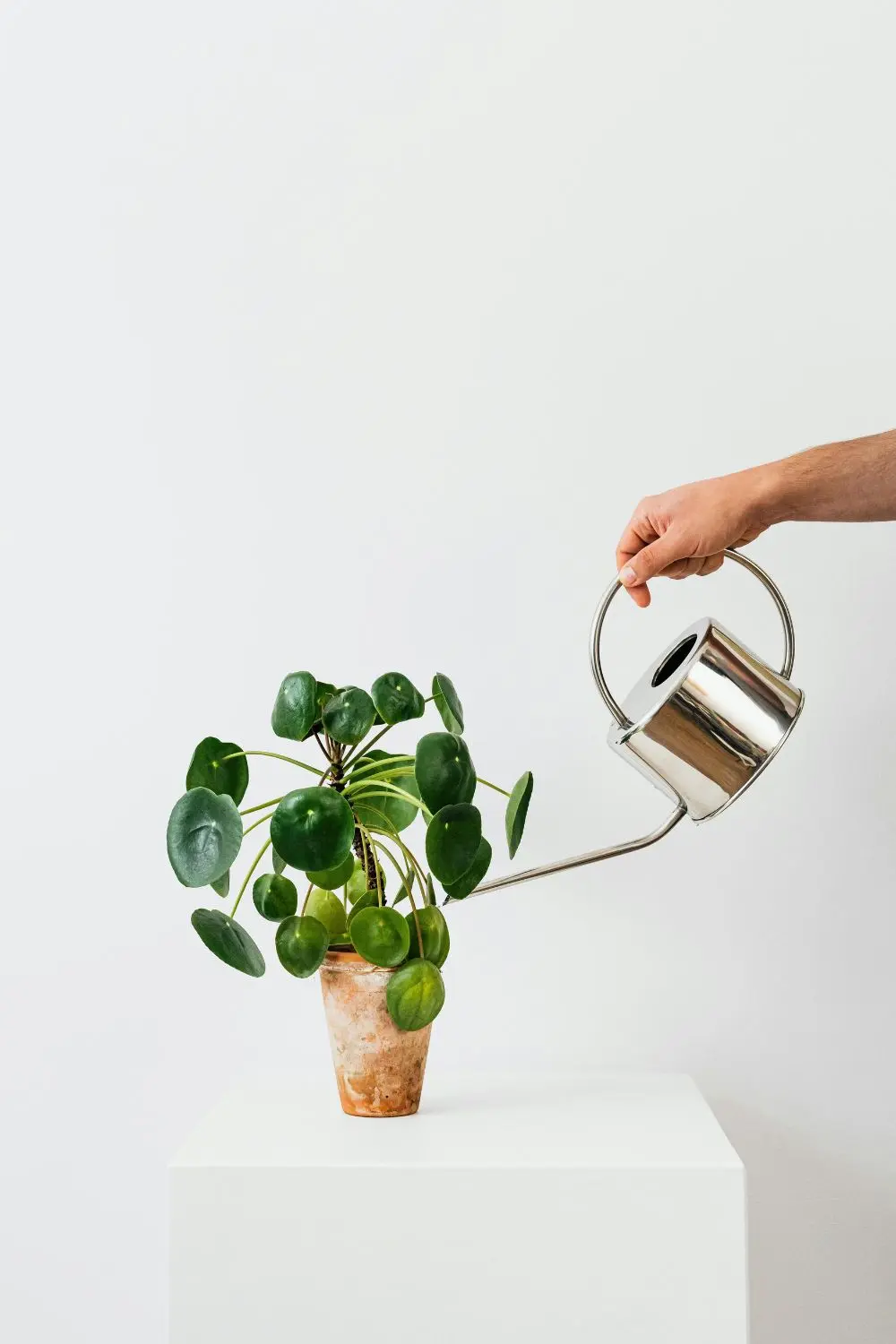
Pictured for inspiration. Our pick:
Watering Can
#6 – HOUSEPLANT RESOURCE CENTER Stainless Steel Watering Can
Why This Tool is Essential: Consistent, gentle watering is necessary for healthy herb growth. A watering can allows for precise application of water directly to the soil, helping avoid splashing delicate leaves and preventing fungal issues. It’s especially important for seedlings and potted herbs.
What to Look For: Choose a watering can with a comfortable handle and a long, slender spout for targeted watering. A rose (sprinkler head) with fine holes provides a gentle, rain-like shower, which is perfect for young plants and prevents soil erosion in small containers.
Our Experience: There’s something meditative about watering herbs with a good can. It allows us to connect with each plant and deliver the right amount of moisture without overwatering. We like using a large watering can for outdoor beds and a smaller, decorative one for indoor herbs near the kitchen, both being essential herb gardening tools that keep plants healthy. For precision watering without splashing, a watering can belongs on every list of essential herb gardening tools.
Plant Labels
#4 — Waterproof Plant Labels, T-Type Garden Tags
Keeping track of what you planted matters more than most beginners expect. Once seedlings sprout, herbs like basil and thyme look nearly identical, and labels save you from guessing (or worse, harvesting the wrong one).
We label everything the moment it goes in the soil, tray, pot, or garden bed. It takes seconds and saves real frustration later, especially once several herbs are growing side by side and start to look alike.
Look for waterproof material that won’t fade or smear in rain or direct sun. A built in marker pen is a nice bonus so you’re not hunting for a separate pen every time you plant something new.
Seed Trays
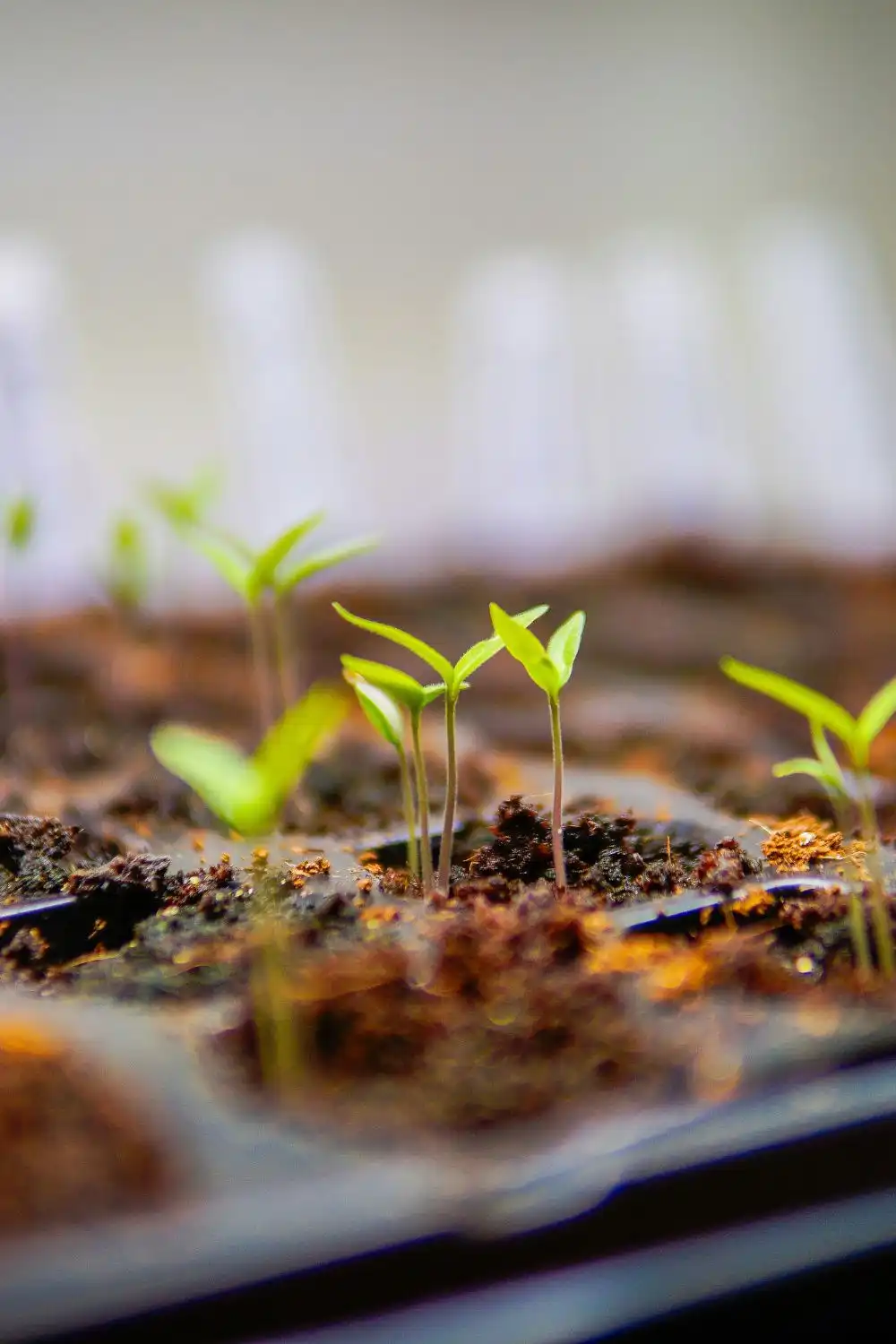
Pictured for inspiration. Our pick:
#5 — Seed Starting Tray with Deep Cells
A dedicated seed starting tray gives seedlings room to develop strong roots before transplanting. Deep cells matter for herbs like basil and dill, which grow long taproots early on.
Look for reusable, extra thick trays that hold their shape season after season. Dual purpose handles for lifting and labeling make transplanting less fiddly, especially once you’re moving a full tray of seedlings at once.
This tray has become part of our regular seed starting routine. The deep cells mean less transplant shock, and the sturdy build means we’re not replacing it every season like flimsier trays.
Nursery Pots
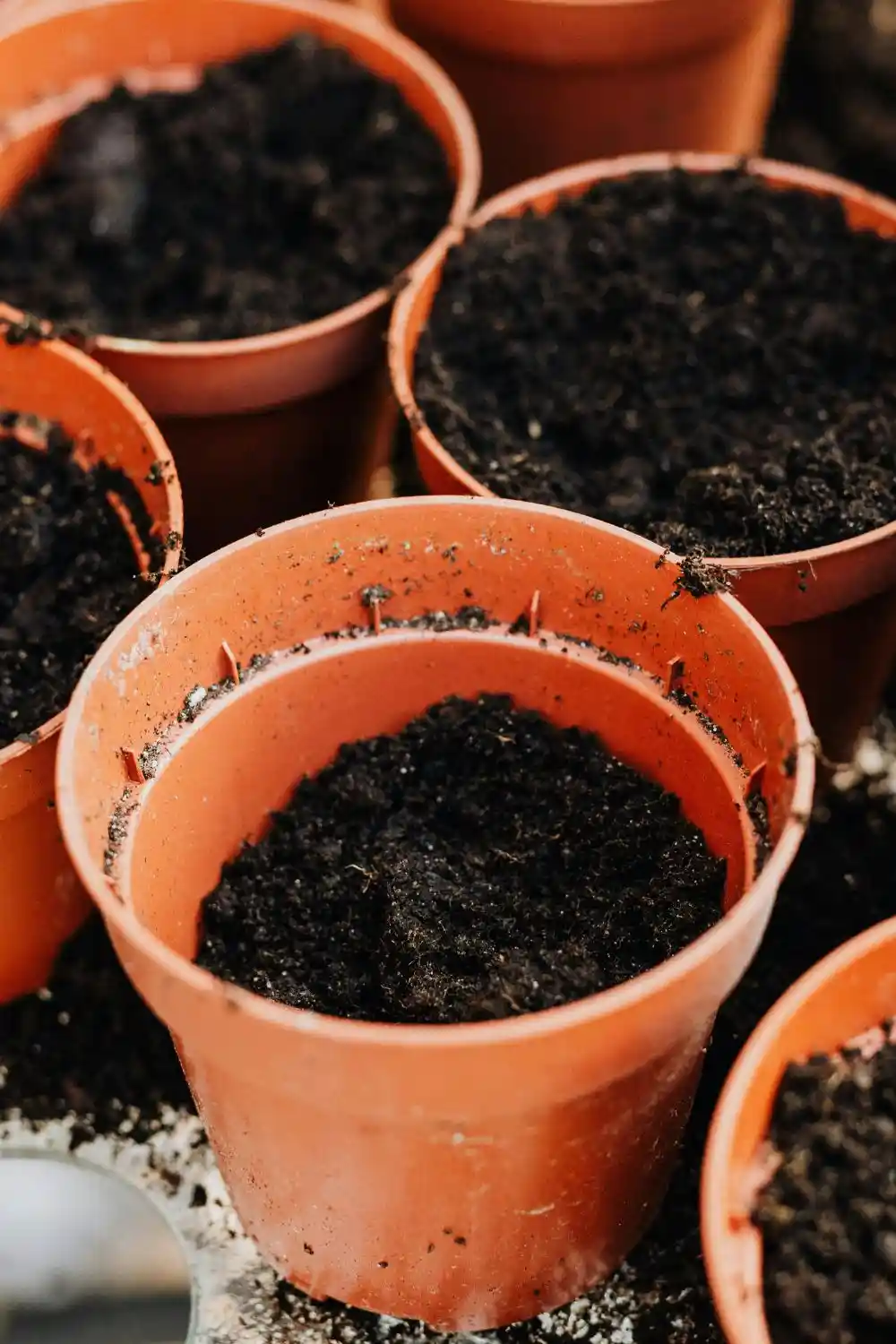
Pictured for inspiration. Our pick:
#1 — Plastic Nursery Pots with Drainage Saucers
Every herb garden starts with the right container. Nursery pots with proper drainage keep roots from sitting in water, which is one of the fastest ways to lose a young herb plant.
Look for pots with multiple drainage holes and a matching saucer to catch runoff, especially if you’re growing indoors. Stackable designs save storage space between seasons.
We use these for starting cuttings and seedlings before they’re ready for a bigger pot or the garden bed. They’re lightweight, reusable, and hold up well season after season.
#7 — Soil Moisture and pH Meter, 4-in-1
Guessing when to water is one of the most common ways herbs get stressed. A moisture meter takes the guesswork out, so you can water based on what the soil actually needs instead of a fixed schedule.
Look for a meter that reads moisture, light, and pH without needing batteries. Probe style meters are the easiest to use and give a quick, reliable reading.
We check ours before watering anything that looks off. It’s especially useful for potted herbs, where it’s easy to overwater without realizing it until the roots are already affected.
Hori Hori Garden Knife
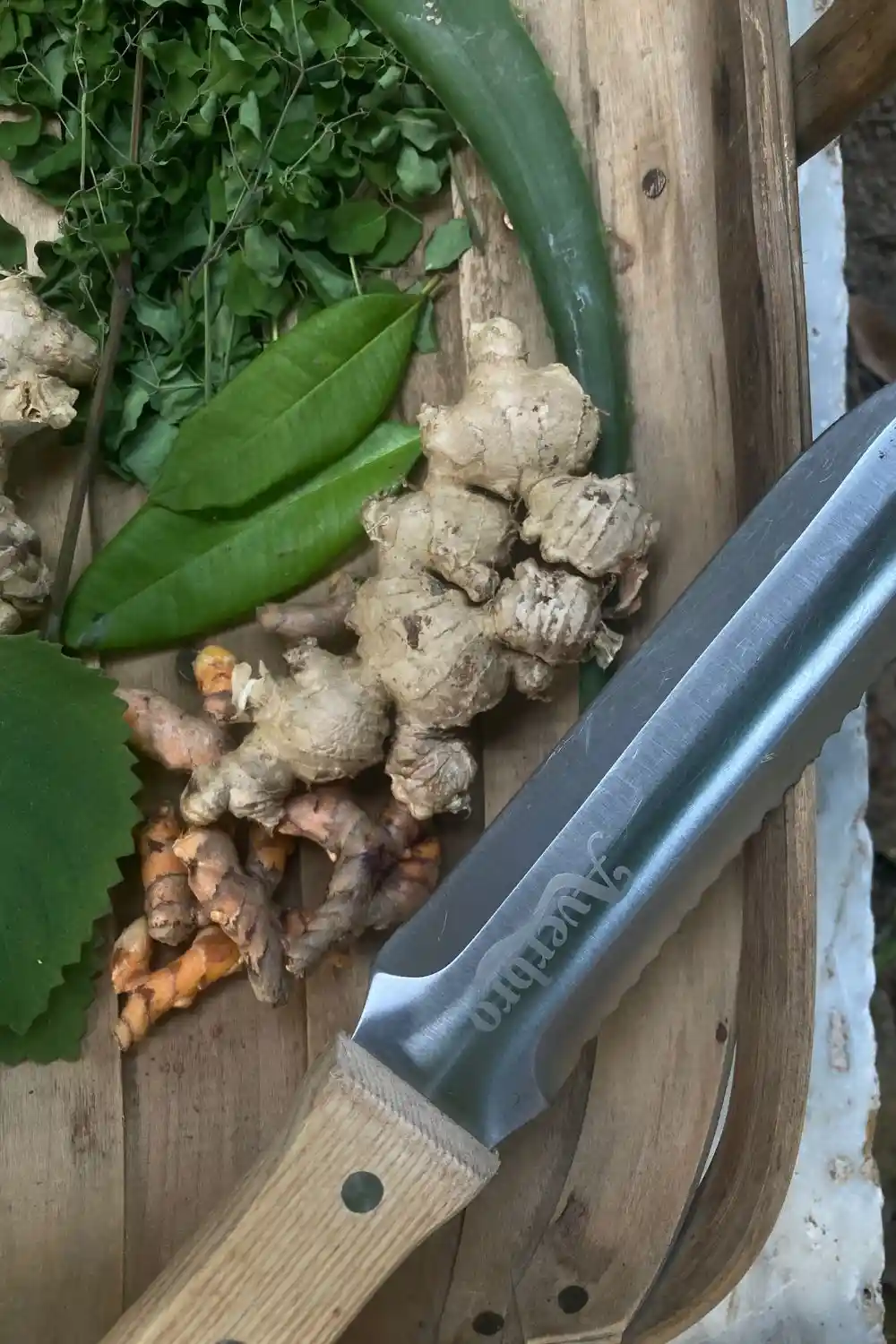
Pictured for inspiration. Our pick:
#9 — Hori Hori Garden Knife with Leather Sheath
Known as the soil knife, the Hori Hori is the most versatile tool in a herb garden. It has a sharp straight edge for weeding, a serrated edge for cutting through tough roots, and a depth gauge for planting.
Look for a rust resistant stainless steel blade with a full tang, meaning the metal runs the full length of the handle for strength. A comfortable grip matters when you’re using it to lever roots out of dense soil.
In our garden, we reach for this every time we harvest ginger or turmeric. It saws through woody roots, then pivots to lever them out of heavy clay. It’s the one tool that stays in our garden holster.
Garden Fork & Shovel
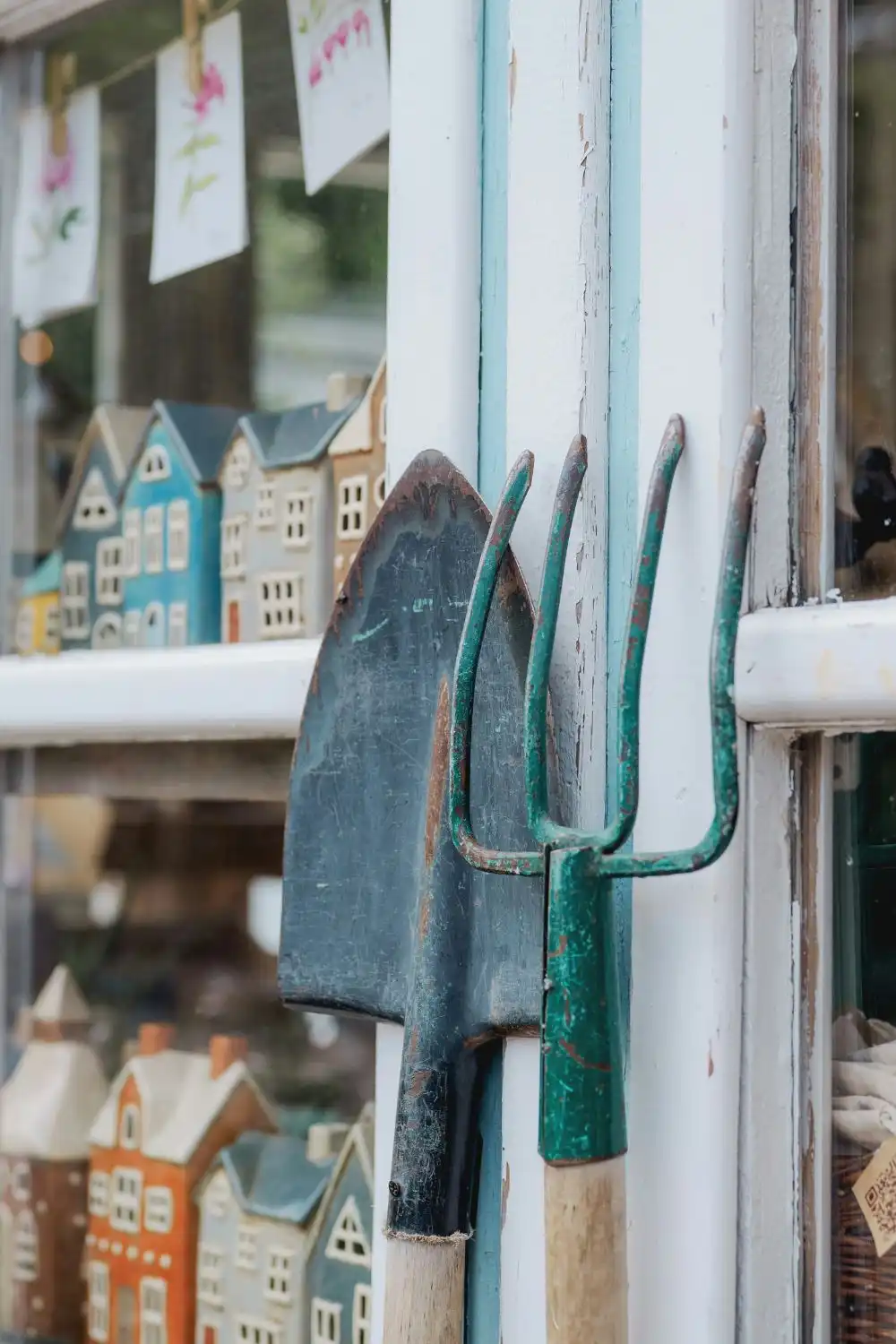
Pictured for inspiration. Our pick:
Heavy Duty Garden Fork for Digging, 4 Tines, Dikuyeel
A garden fork is indispensable for breaking up compacted soil, aerating garden beds, and mixing in compost or amendments. It’s gentler than a spade and helps improve drainage and root penetration, which are vital for healthy herbs.
Look for a fork with strong, sharp tines that can penetrate dense soil. A comfortable long handle provides better leverage and helps reduce strain on your back when working in raised beds or larger areas.
Heavy Duty Metal Shovel with Fiberglass Handle, Dikuyeel
Paired with the fork, a sturdy shovel handles the heavier digging jobs, breaking new ground, moving compost, or planting larger herbs and shrubs. The long fiberglass handle gives better leverage than a short handled spade, so you’re not straining your back on bigger beds.
We reach for both together when preparing new beds or refreshing tired soil. The fork loosens and aerates without disturbing herb roots, while the shovel handles the heavier lifting once the bed’s ready for new soil or compost.
Potting Mixes & Raised Beds
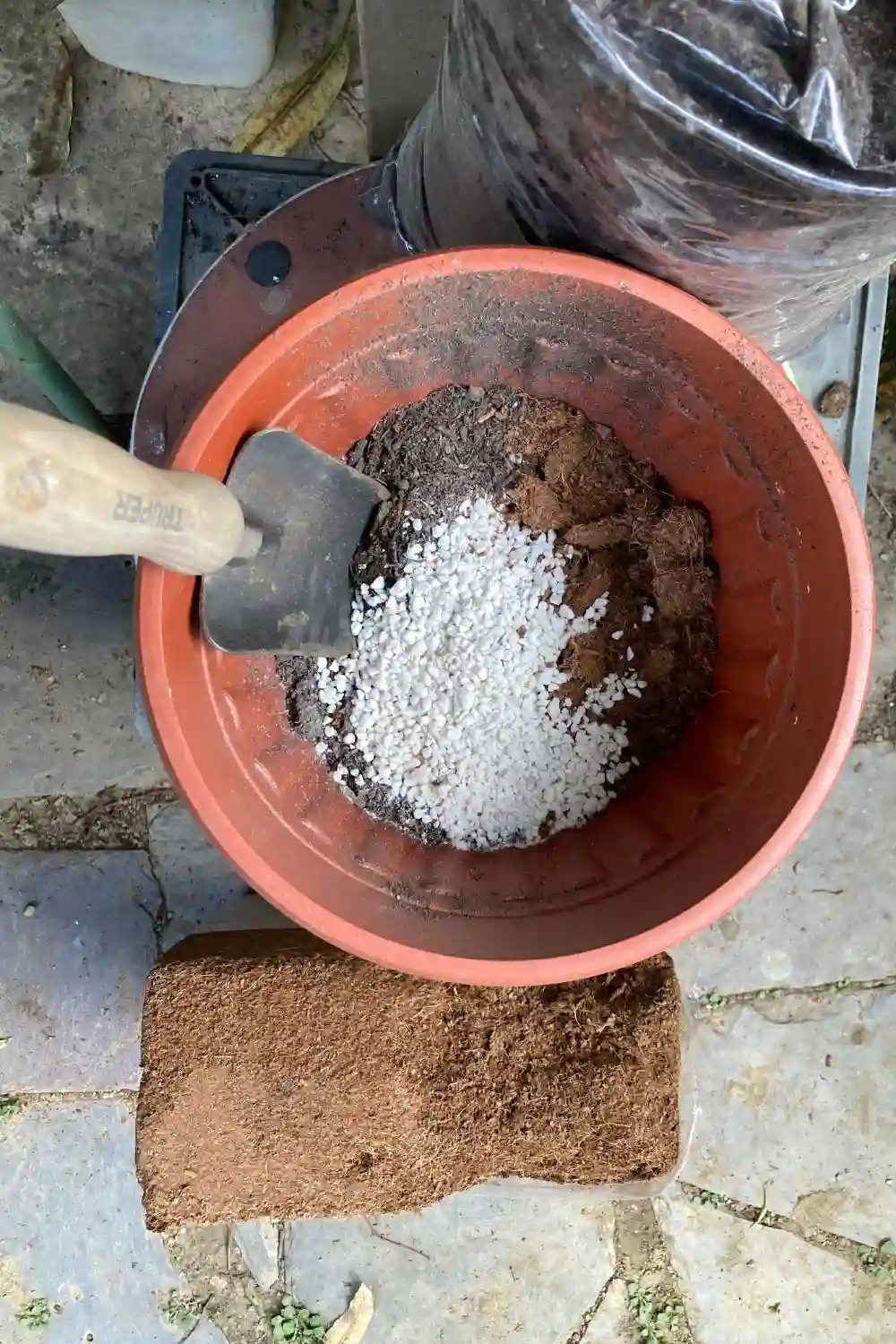
Healthy roots start with the right growing medium. These are the soil amendments and bed setups that keep herbs productive.
Potting Soil Mix, 16 Quarts, Miracle-Gro
The right potting soil is the foundation of healthy roots. It provides balanced nutrients, good drainage, and proper aeration for container-grown herbs and raised beds. Poor-quality soil can lead to stunted growth and weak plants.
Look for an organic, nutrient-rich mix designed for containers or raised beds. A good blend should be light, well-draining, and enriched with compost or natural amendments. Avoid heavy garden soil for pots, since it can compact and suffocate roots.
We’ve seen firsthand how much difference quality potting soil makes. Herbs planted in a light, airy mix grow stronger, produce more leaves, and resist disease better than those in poor soil.
If you are starting your seeds in trays or pots before transplanting, you’ll need a light, fluffy medium. Check out my Ultimate Guide to Potting Soil for the best seed-starting blends.
Organic Horticultural Perlite, 4 Quarts, Legigo
Perlite is one of the simplest ways to improve drainage in container herbs. Mixed into potting soil, it keeps roots from sitting in compacted, waterlogged mix, which is one of the fastest ways to lose an herb to root rot.
Look for a clean, lightweight perlite free of dust and debris. A little goes a long way, most mixes only need perlite worked in at about 10 to 20 percent of total volume.
We work perlite into every batch of potting mix before planting herbs in containers. It’s an easy step that makes a real difference in how well roots develop.
Coco Coir Brick, Compressed Organic Coconut Fiber
Coco coir is a sustainable alternative to peat moss for potting mix and seed starting. It holds moisture evenly without becoming soggy, and it’s naturally low in EC and balanced in pH, which makes it gentle on young roots.
Look for a compressed brick that expands easily with water. It should be free of added salts or synthetic treatments, especially if you’re using it for edible herbs.
We like using coco coir when starting seeds or refreshing potting mix, since it holds moisture longer than standard soil without staying wet.
Worm Castings
Worm Castings Organic Fertilizer, 2.2 LB, Doter
Worm castings are a natural, nutrient-rich soil amendment produced by earthworms. They improve soil structure, boost beneficial microbes, and provide a gentle, slow-release source of nutrients that herbs can easily absorb.
Choose dark, fine-textured castings with a fresh, earthy smell. Look for products that are 100% pure castings without fillers. Organic-certified options are ideal for edible herbs.
We love adding worm castings when transplanting herbs or as a top-dress in pots. They give plants a noticeable boost in growth and leaf production without the risk of burning roots.
Mulch
Back to the Roots 100% Organic Mulch, 58 Quart, Expanding Coconut Husk Block
Mulch helps retain soil moisture, suppress weeds, regulate temperature, and gradually add organic matter as it breaks down. It reduces watering needs and keeps soil in better condition for your herbs year-round.
For herb gardens, choose organic mulches like straw, shredded leaves, or untreated wood chips. Avoid dyed or chemically treated mulches. Apply an even layer around plants, leaving a small gap around the stems to prevent rot.
Mulch has cut our watering time significantly during hot spells. It also keeps beds looking neat and makes it harder for weeds to take hold.
Rooting Hormone
Root Drops, Liquid Rooting Hormone for Cuttings
Rooting hormone encourages faster, more reliable root development when propagating herbs from cuttings. It boosts success rates for plants like rosemary, lavender, and mint, helping them establish quicker.
Choose a form, powder, gel, or liquid, that’s easy to apply to soft herb cuttings. Look for products labeled for edible plants and follow directions carefully to avoid overapplication.
We’ve found that using rooting hormone turns a tricky cutting into a thriving new plant. It’s especially helpful for herbs that are slower to root naturally, saving time and increasing success.
Tools for Harvesting & Preserving Herbs
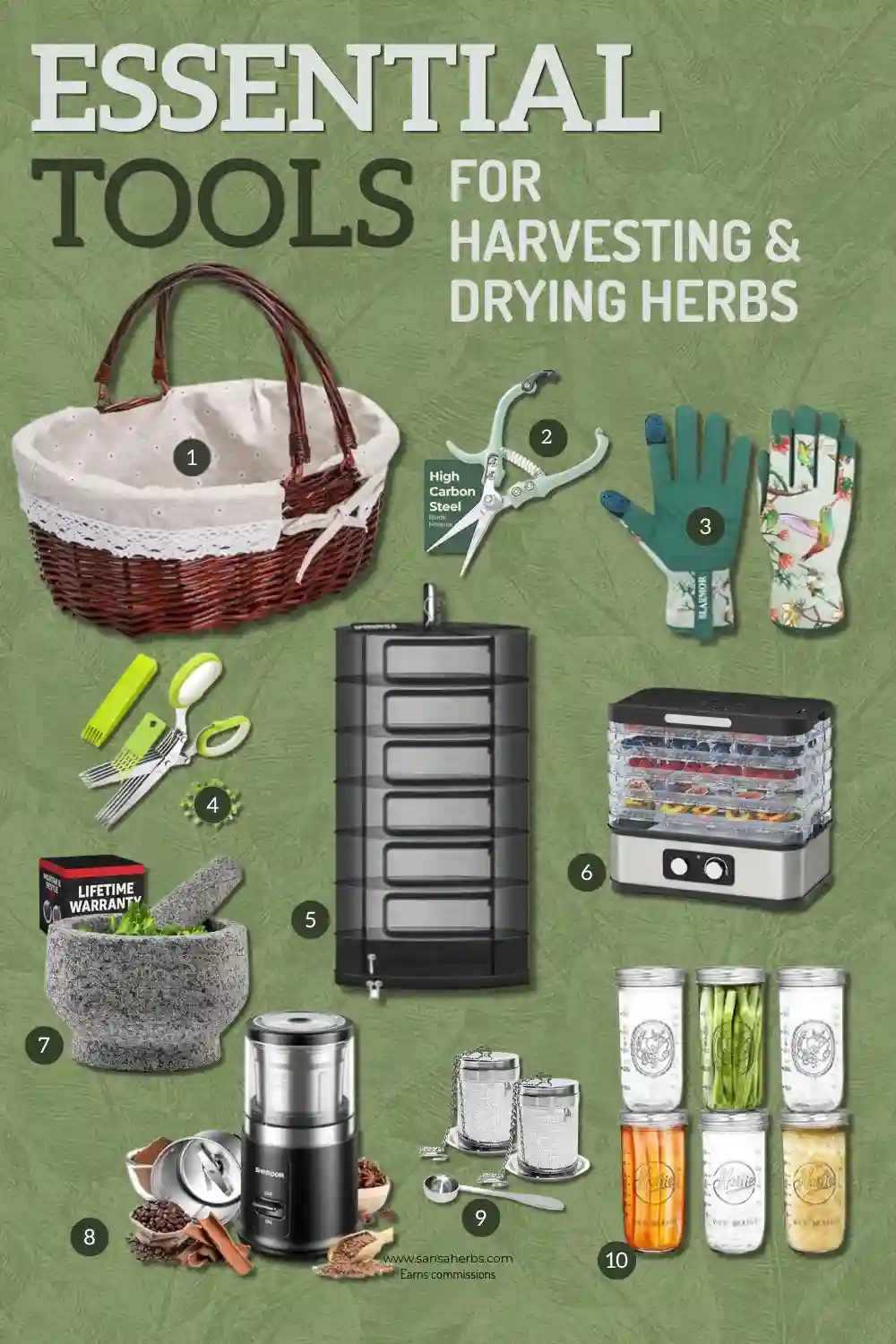
These essential herb gardening tools help you harvest, dry, and store herbs so they retain their flavor, aroma, and potency for months. Perfect for herbal teas, tinctures, salves, and other DIY remedies.
*Numbers below correspond to the Collage above*
Herb Drying Rack (Traditional Method)
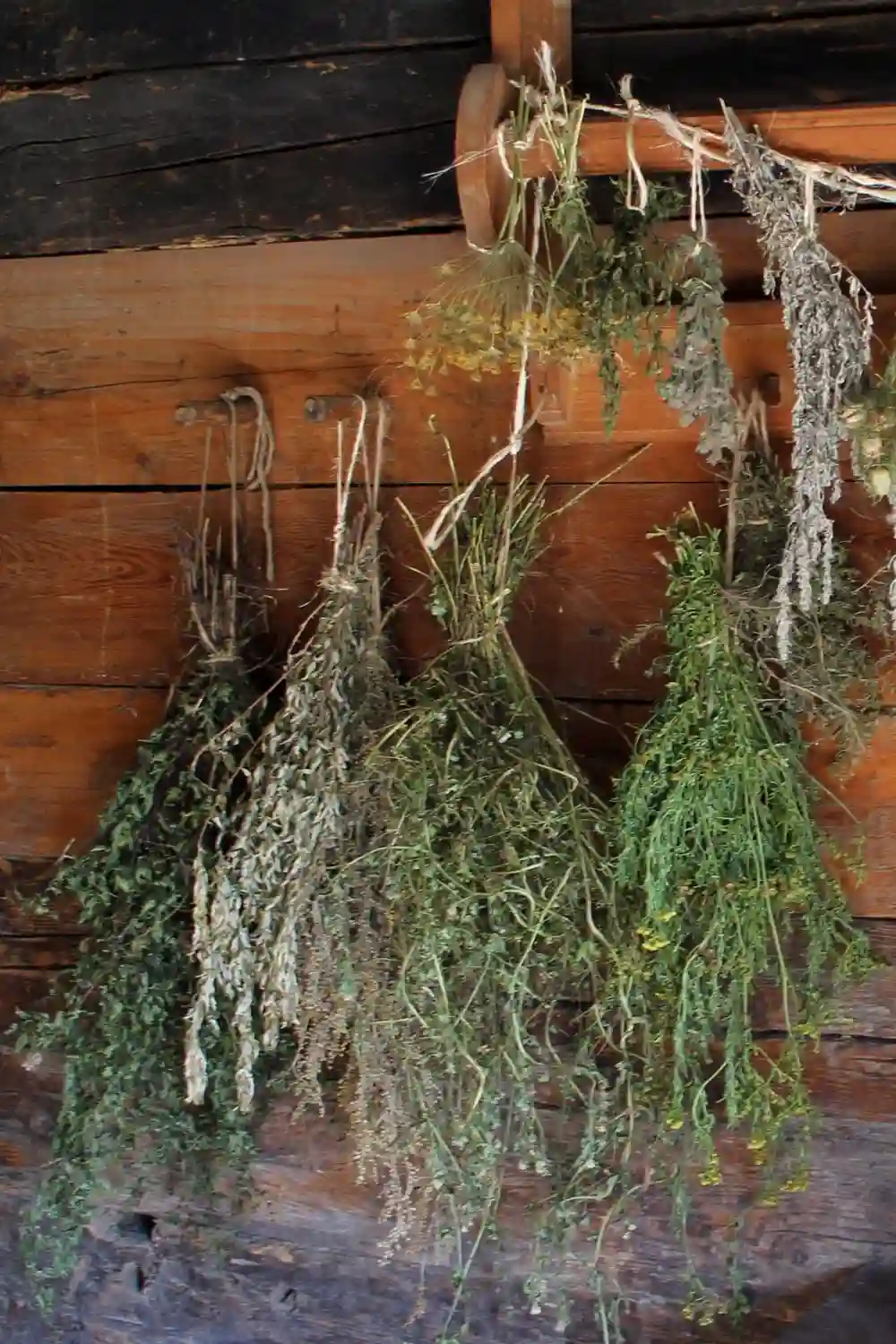
Pictured for inspiration. Our pick:
#5 — SPONDWILD Herb Drying Rack, Hanging Mesh, 7 Layer
A drying rack provides proper airflow to preserve the color, aroma, and natural compounds in your herbs. It keeps them clean, off surfaces, and away from direct sunlight, which can degrade their potency.
Choose a rack with breathable mesh shelves, stackable layers, and a zippered enclosure to protect herbs from dust and insects. A collapsible design saves storage space.
We hang our drying rack in a shaded, well ventilated area. It’s ideal for those who prefer a low tech, no electricity method and works well for bulk harvests in dry climates. If you plan to preserve leaves and flowers, a drying rack is one of the most useful essential herb gardening tools you can own.
Harvest Basket
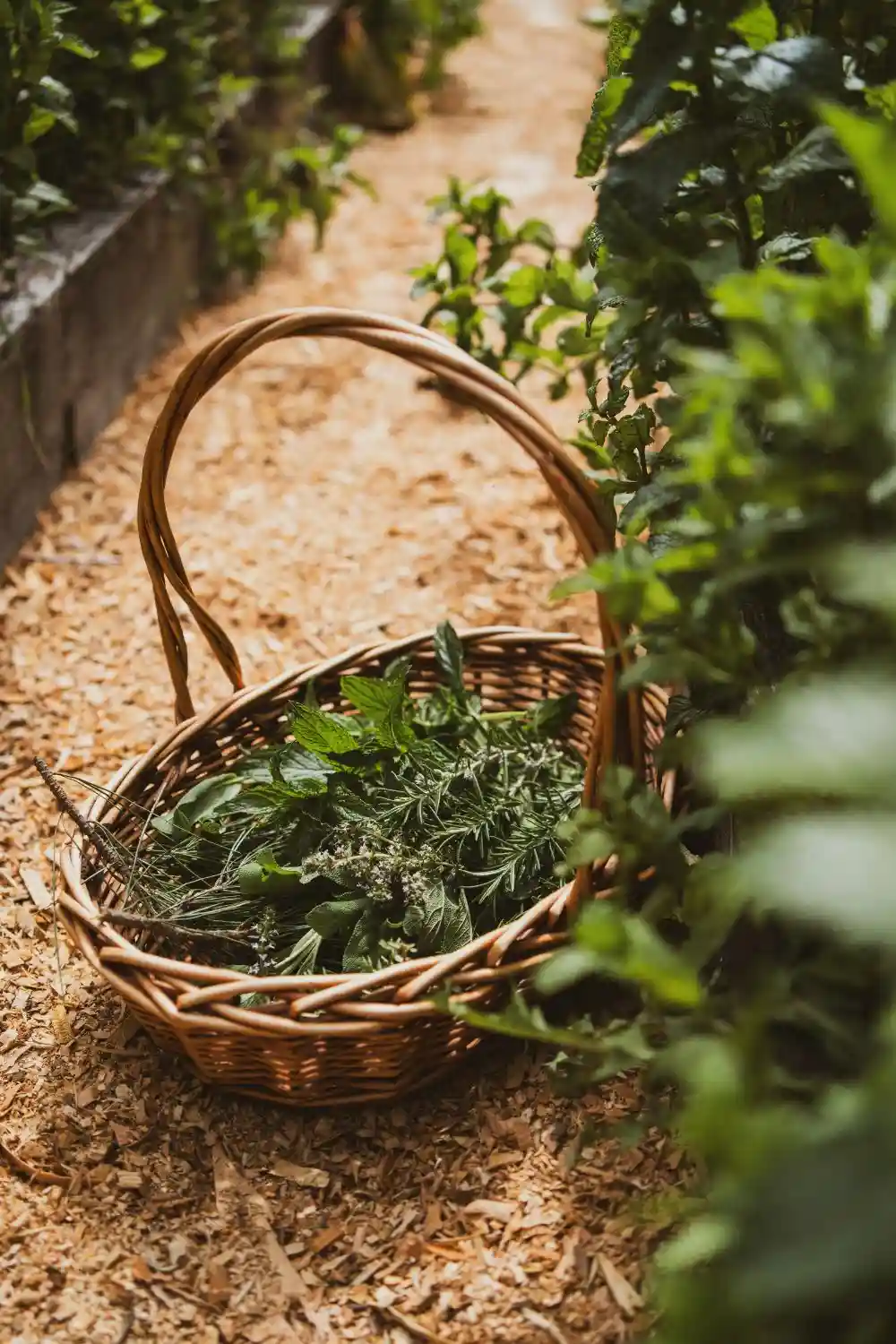
Pictured for inspiration. Our pick:
#1 — Dicunoy Wicker Picnic Basket with Handle
A sturdy basket makes harvest day easier, giving you a clean, contained way to collect leaves, stems, and cuttings as you move through the garden without bruising delicate herbs along the way.
Look for a basket with a fabric lining, which protects tender leaves better than bare wicker, and a comfortable handle for carrying a full harvest without strain.
We keep ours by the door during peak growing season. It’s as much a part of harvest day as the shears, and it makes the whole process feel less like a chore and more like a ritual.
Electric Dehydrator (Quick & Reliable)
#6 (Collage 2) – Konfintos Food Dehydrator, 5 BPA-Free Trays, 400W
An electric dehydrator dries herbs quickly and evenly, even in humid weather, locking in flavor while reducing the risk of mold.
Look for adjustable temperature settings, multiple stackable trays, and a quiet motor. A temperature range as low as 95°F (35°C) is best for delicate herbs.
We rely on a dehydrator during rainy or humid seasons when air drying is slow or risky. It’s perfect for preserving herbs at their peak, and it works just as well for drying fruits, vegetables, and even herbal teas.
Glass Storage Jars
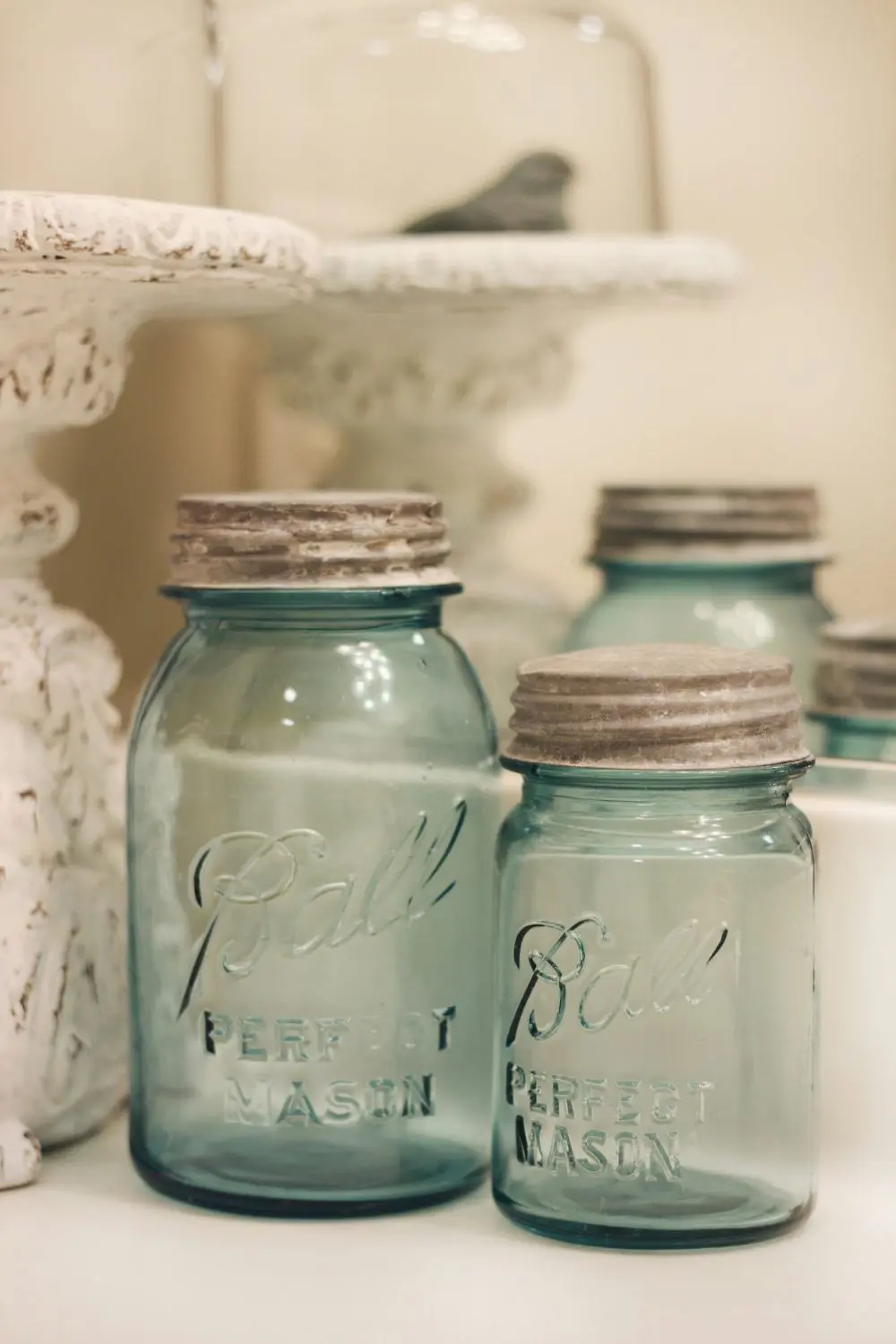
Pictured for inspiration. Our pick:
#10 (Collage 2) — Tebery 6 Pack Wide Mouth Glass Mason Jars, Airtight Lids
Tebery 6 Pack Wide Mouth Glass Mason Jars, Airtight Lids
Glass jars are ideal for storing dried herbs. They are non reactive, airtight, and protect against moisture, keeping herbs fresh for longer.
Opt for jars with tight sealing lids and dark or amber glass if possible, to reduce light exposure. Clear jars are fine if stored in a dark cupboard.
We label each jar with the herb name and harvest date. Good storage habits make it easy to find what we need for teas or tinctures, and the jars look beautiful lined up on a kitchen shelf.
Mortar and Pestle
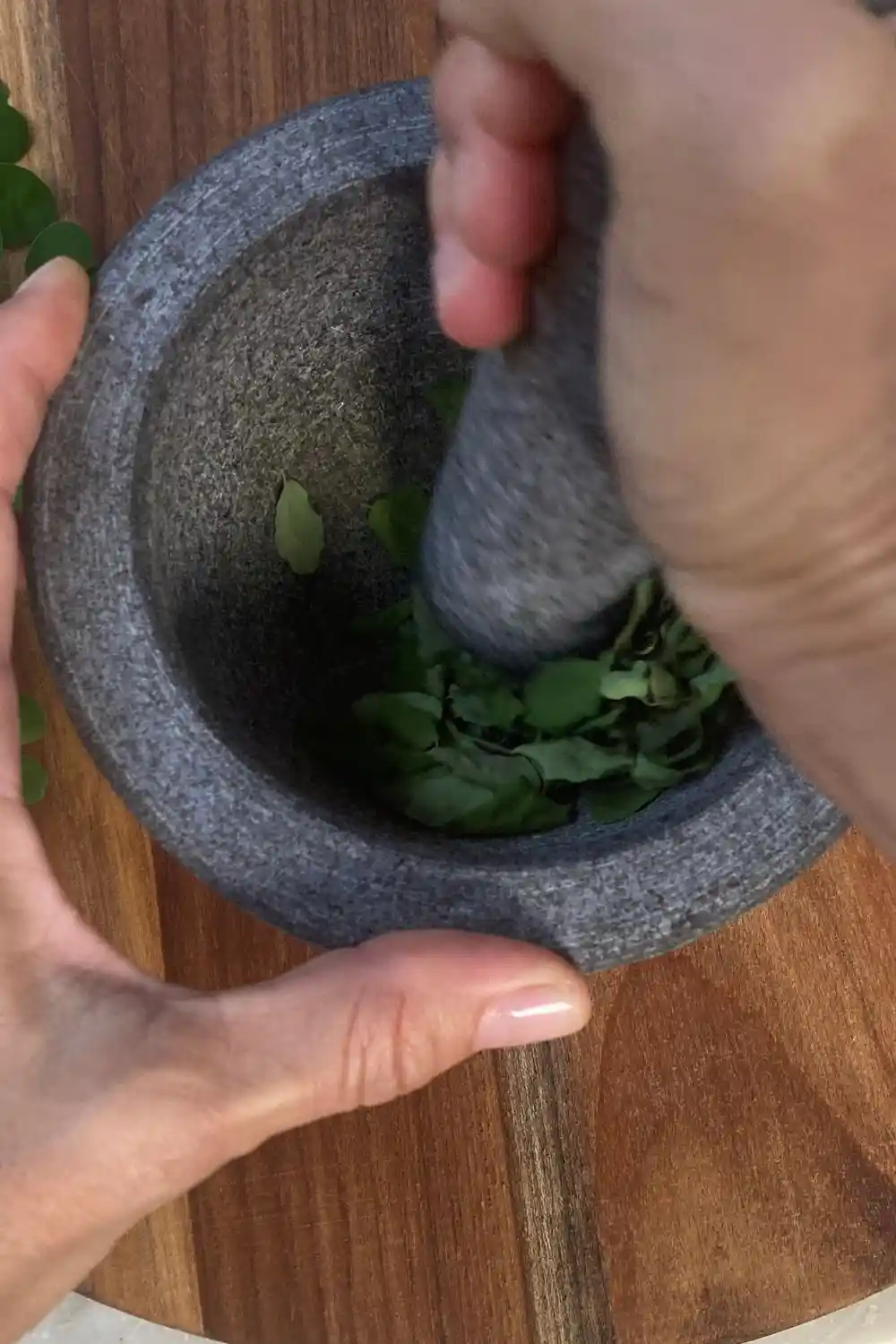
Pictured for inspiration. Our pick:
#7 — PriorityChef Mortar and Pestle Set, Natural Granite
A mortar and pestle lets you grind dried herbs into powders for teas or salves. It’s also useful for crushing fresh herbs for pastes and poultices.
Choose a heavy, durable material like granite or ceramic for better grinding. The pestle should be comfortable to hold and the bowl deep enough to prevent spills.
We love the control a mortar and pestle gives compared to an electric grinder, you can stop when the texture is exactly right.
Electric Herb Grinder
#8 — SHARDOR One Touch Electric Grinder, Herb & Spice
For larger batches, an electric grinder saves time over hand grinding, especially useful when you’re processing a big harvest of dried herbs at once rather than a small pinch for tea.
Look for a removable stainless steel bowl for easy cleaning, and a one touch design that avoids over grinding delicate dried leaves into dust.
We reach for this when we’ve got a full batch to process. It’s faster than the mortar and pestle for volume, though we still prefer the mortar and pestle when we want more control over texture.
Herb Scissors
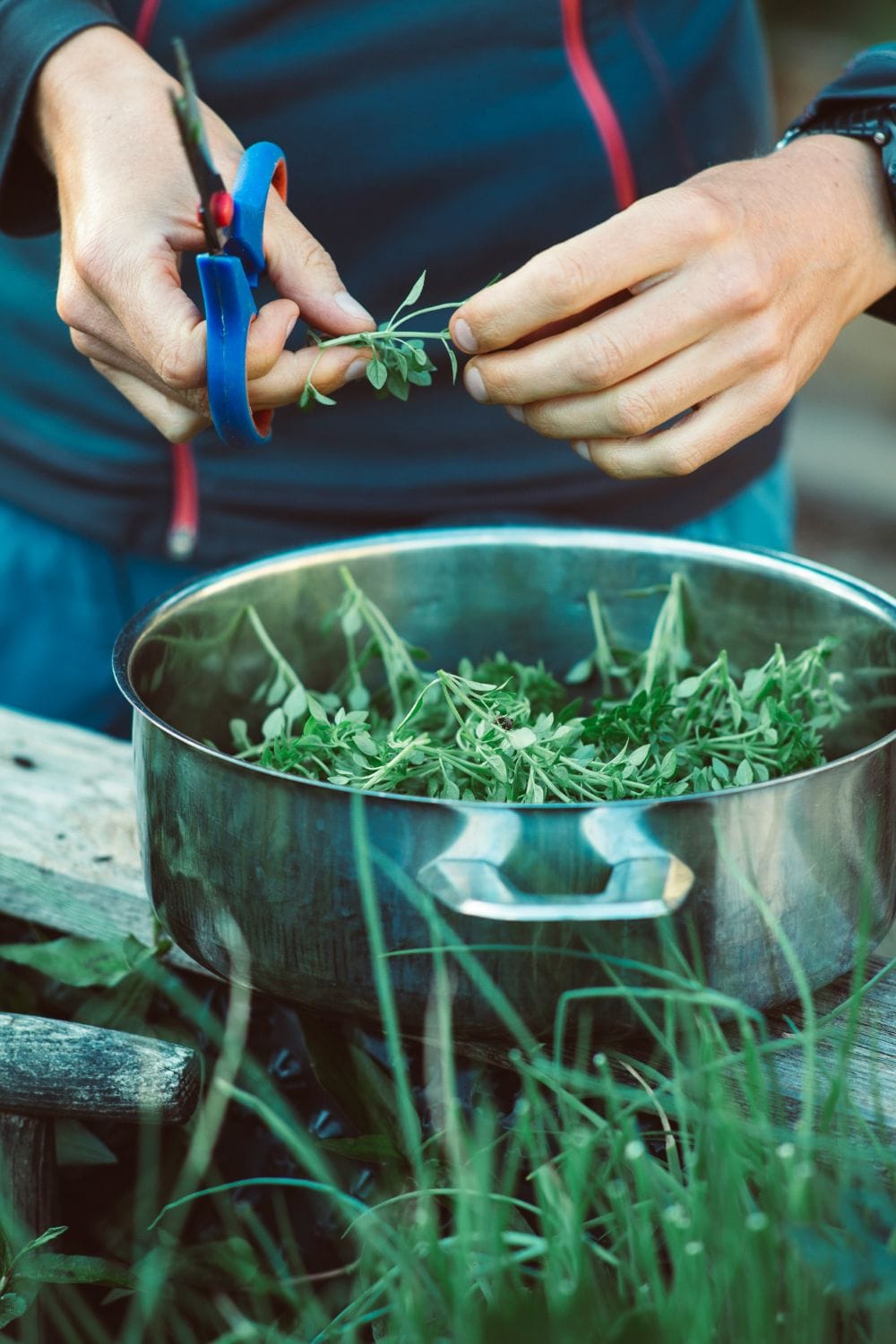
Pictured for inspiration. Our pick:
#4 – (Collage 2) – X-Chef Multipurpose 5 Blade Kitchen Herb Shears
Herb scissors with multiple blades make it quick and easy to chop fresh herbs evenly without bruising the leaves.
Look for stainless steel blades, comfortable grips, and a cleaning comb.
They’re especially handy when preparing herbs for drying, as even cuts make for more consistent drying times.
Tea Infuser & Strainer
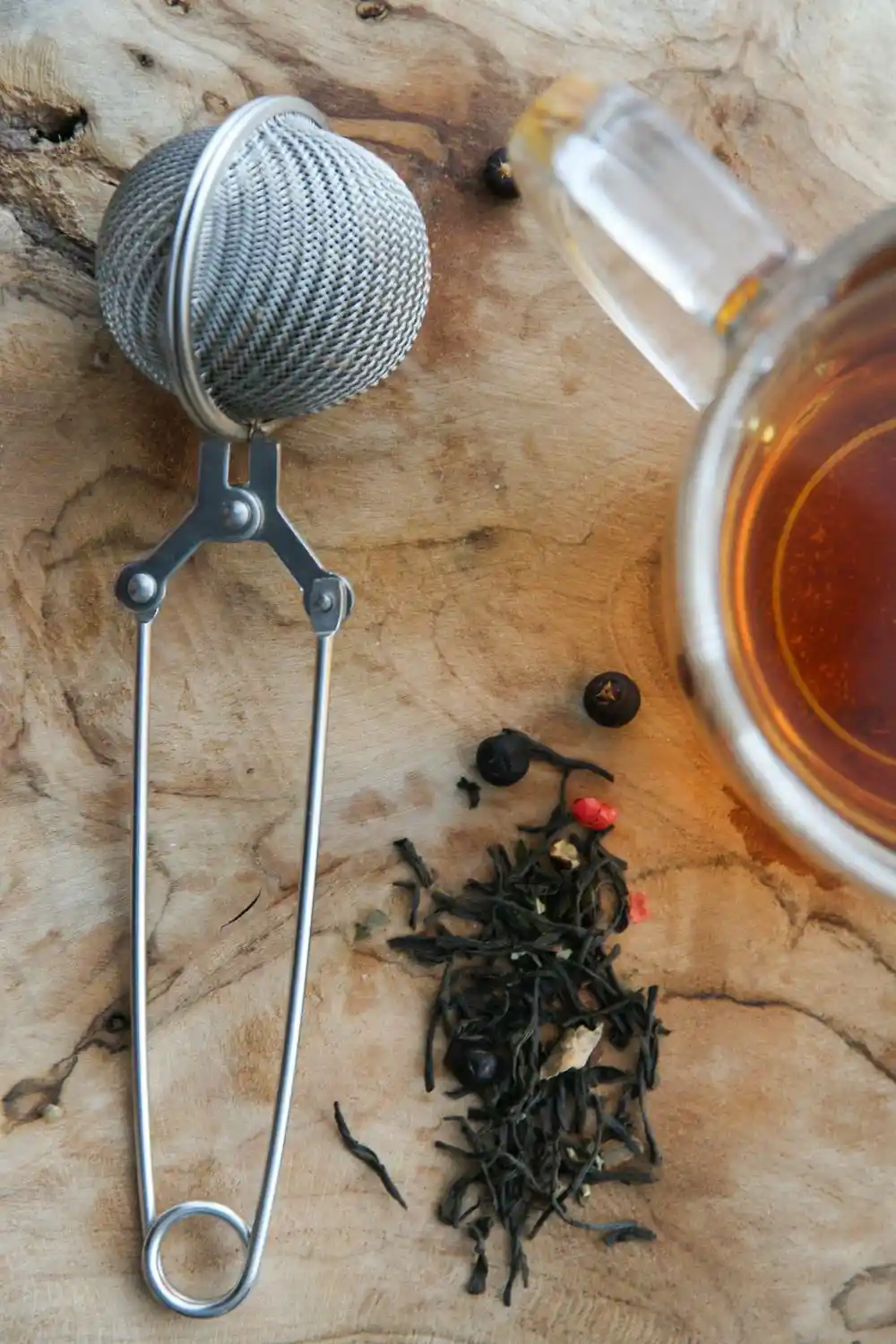
Pictured for inspiration. Our pick:
#9 – (Collage 2) – Sou Zen Tea Infuser, 2 Pack & Teaspoon Scoop, Extra Fine Mesh
A good tea infuser or strainer makes it easy to brew loose leaf herbal teas without mess. It keeps leaves contained while allowing water to circulate for full flavor extraction.
Fine mesh prevents small particles from escaping. Stainless steel is durable, while silicone handles make removal safer when hot.
We keep multiple infusers so we can brew different herbs without mixing flavors. A quality strainer also doubles as a filter for herbal tinctures and infused oils, another one of those essential herb gardening tools that earns its spot in a small kitchen.
With the right mix of essential herb gardening tools, you will save time, protect your plants, and enjoy fuller harvests. Start with the basics, then add the specialty items that match how you grow and use your herbs.
Handheld Capsule Filler
If you grow and dry your own herbs, a handheld capsule filler is a simple way to store powdered herbs in pre-portioned capsules, handy for keeping homegrown moringa or turmeric powder organized and ready to add to smoothies, cooking, or homemade spice blends.
Works with size 00 empty gelatin or vegetarian capsules, no fillers or additives, just whatever you’ve grown and dried yourself.
What to look for: Size 00 is the most common capsule size for home use. A two pack means you always have a backup on hand, and the lab spoon design makes filling faster and less messy than improvising with a regular spoon.
In our garden: We reach for this after a big harvest when we have more dried powder than we can use quickly. It keeps homegrown moringa and turmeric powder fresh, portioned, and easy to grab when cooking.
This product is offered through a separate affiliate partnership and is not sold through Amazon. As a partner, I may earn a commission from qualifying purchases.
Fill 100 capsules in under 10 minutes with zero fillers or additives, perfect for herbs, vitamins, and custom blends at home.
If you create your own herbal supplements, a capsule filling machine speeds up the process and ensures consistent dosing. Perfect for encapsulating powdered herbs like moringa, turmeric, or ashwagandha.
Choose a size that matches your capsule preference (size 0, 00, etc.) and look for easy to clean parts. Some machines also come with tampers to pack herbs more tightly.
We use a capsule machine for herbs we grow and powder ourselves. It’s satisfying to know exactly what’s inside each capsule, pure, home grown goodness.
With the right mix of essential herb gardening tools, from planting and prep through harvesting and drying, you will save time, protect your plants, and enjoy fuller harvests. Start with the basics, then add the specialty items that match how you grow and use your herbs.
Learn how to start calendula from seed using these essential herb gardening tools.