
Looking for the best herbs for cold and flu that actually work? Whether you’re already feeling symptoms or trying to recover faster, certain herbs can help support your body, reduce discomfort, and promote faster recovery.
In this guide, you’ll learn which herbs to use, how they work, and simple ways to prepare them at home.
👉 Try this simple elderberry syrup recipe for cold and flu relief →
Quick Answer: Best Herbs for Cold and Flu
If you need fast natural relief, these are the most effective herbs to use when symptoms start:
- Elderberry → may help reduce how long symptoms last
- Ginger → warms the body and helps with congestion
- Garlic → supports the body during early cold symptoms
- Turmeric → helps reduce inflammation and supports recovery
- Echinacea → supports the immune response at the first sign of illness
These herbs can be used as teas, tonics, or simple home remedies to help ease cold and flu symptoms.
What Are Herbs for Cold and Flu?
Herbs for cold and flu are natural plant-based remedies used to support the body during respiratory illness. They can help reduce symptoms like congestion, sore throat, and fatigue while supporting immune function.
Many of these herbs have been used traditionally and are now studied for their immune-supporting and anti-inflammatory properties. For more information on herbal medicine practices, you can explore resources from the American Herbalists Guild.
Best Herbs for Cold and Flu (How They Help)
1. Elderberry
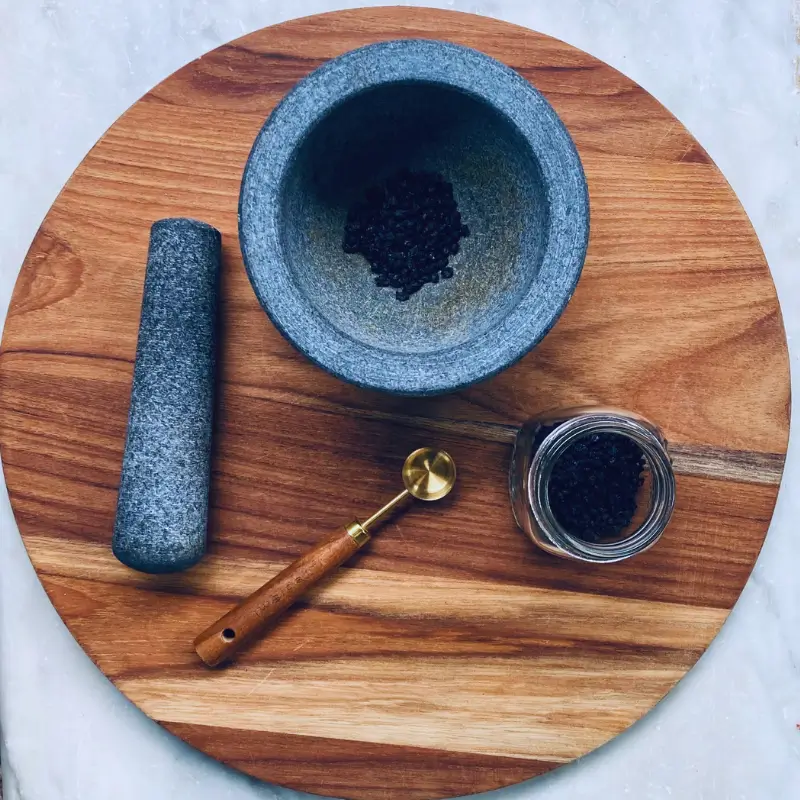
Elderberry is one of the most widely used herbs for cold and flu.
- may help reduce symptom duration
- supports immune signaling
- commonly used in syrups and teas
Elderberry works best when taken at the first sign of symptoms.
👉 You can use dried elderberries to make your own syrup at home.
2. Ginger
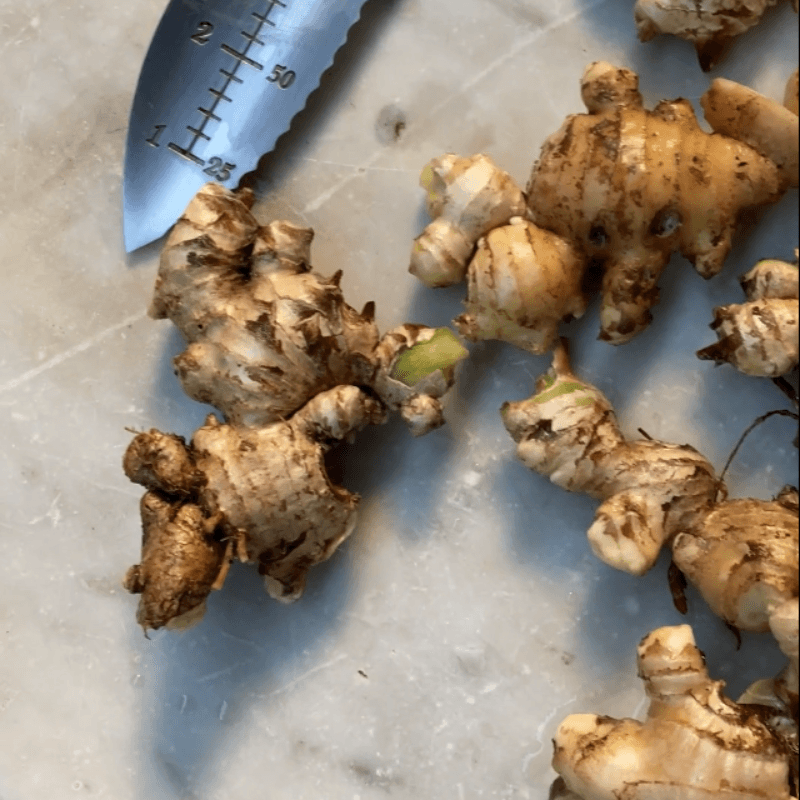
Ginger is a simple but powerful remedy.
- helps improve circulation
- may reduce inflammation
- supports the body during fever and chills
Fresh ginger tea is one of the easiest remedies to prepare.
3. Garlic
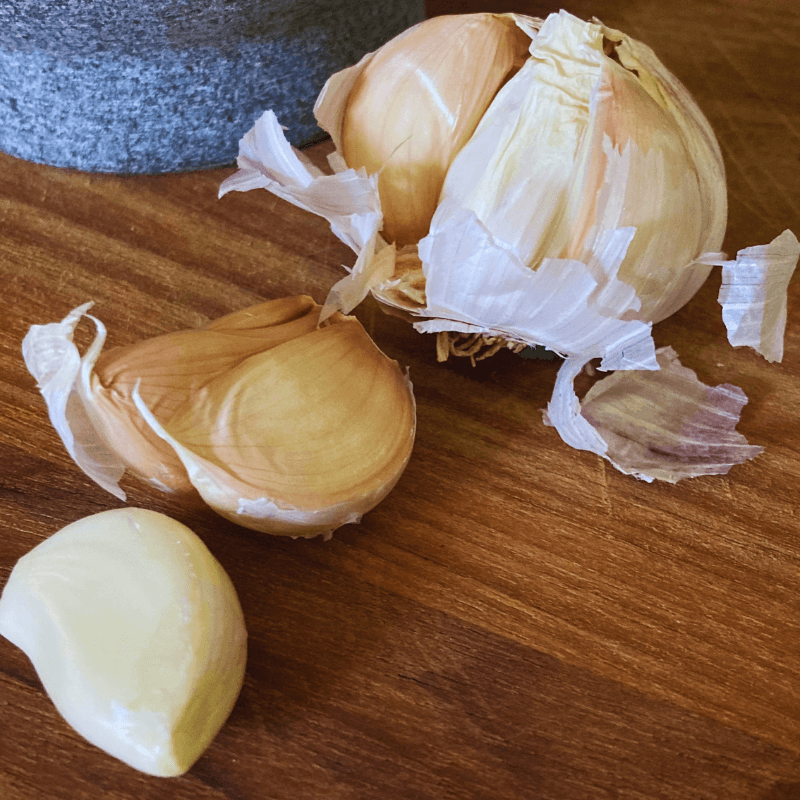
Garlic is a traditional remedy that has been used for generations during cold and flu season.
- known for its natural antimicrobial properties
- supports the body during early symptoms
- can be used raw, crushed, or added to warm drinks
Crushed garlic mixed with honey is a simple way to use it when symptoms begin.
4. Turmeric
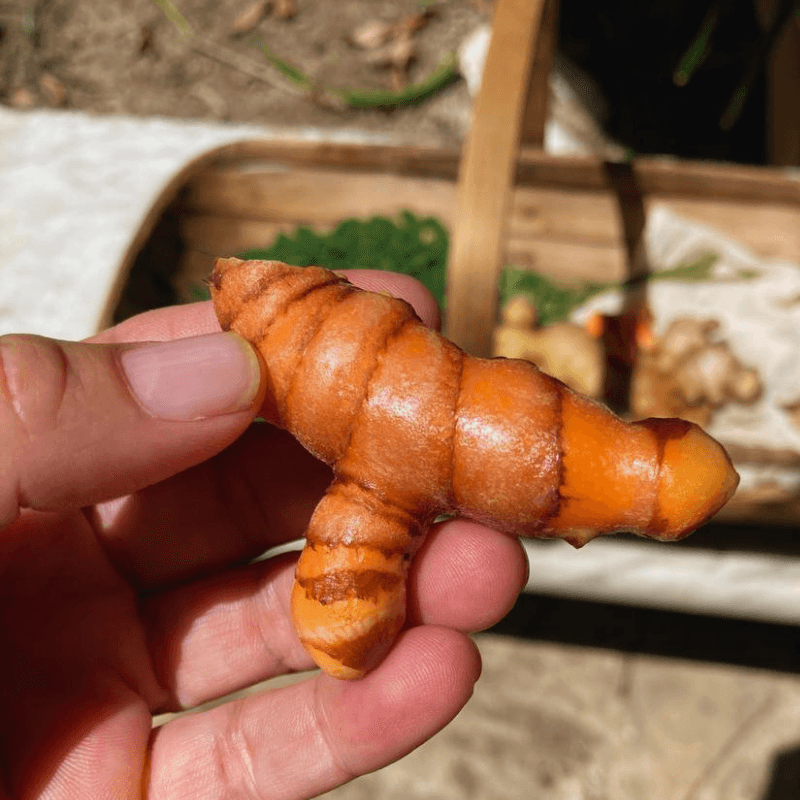
Turmeric is commonly used to support the body during inflammation and recovery.
- helps reduce inflammation
- supports overall immune health
- often used in warm drinks with ginger
Turmeric works well in teas or mixed with honey and warm water.
5. Echinacea
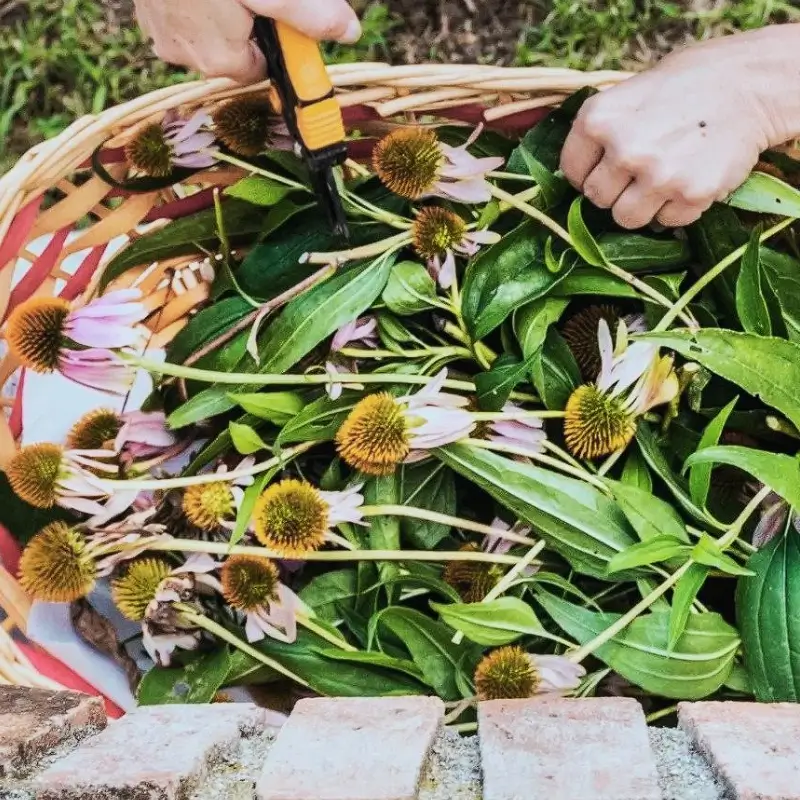
Echinacea is often used for immune support.
- may help the body respond faster to infection
- best used early during symptoms
- commonly taken as tea or tincture
Herbal Remedies for Cold and Flu
Herbal remedies for cold and flu are often used to reduce symptoms like congestion, sore throat, and fatigue. Simple preparations such as teas, infusions, and tonics can make these herbs easier to use at home.
Common options include:
- ginger tea for circulation and warmth
- elderberry syrup for immune support
- echinacea infusions for early symptoms
These remedies are most effective when used consistently at the first sign of illness.
For a quick, ready-to-use option, ginger and turmeric gummies can be an easy way to support your body during cold and flu season.
Simple Home Remedy for Fast Relief
If you want something you can make quickly at home, this combination brings several of these herbs together.
Garlic, Ginger, Turmeric Tonic
Use this when symptoms begin:
Ingredients:
- 1 inch fresh ginger, sliced
- 1 small clove garlic, crushed
- ½ teaspoon turmeric (or small fresh piece)
- 1 tablespoon honey
- juice of ½ lemon
- pinch of cayenne (optional)
- 1 cup warm water
How to use:
- Add ingredients to a cup
- Pour warm (not boiling) water
- Stir well
- Let sit for 5–10 minutes
- Drink once or twice daily
This type of remedy helps warm the body, support circulation, and ease cold and flu symptoms naturally.
If you’re dealing with a sore throat, marshmallow root is one of the most soothing herbs to use.
👉 Read how to make marshmallow root tea →
How to Use Herbs Effectively
To get the best results:
- start early when symptoms appear
- use consistent doses
- combine herbs where appropriate
- rest and stay hydrated
Herbs support your body, but consistency matters.
Tools You May Need for Herbal Remedies
If you want to prepare herbs at home, these tools make it easier:
- mortar and pestle → for crushing herbs
- glass jars → for storage
- fine strainer → for teas and infusions
👉 See The Herb Gardener’s Essential Toolkit →
Grow Your Own Medicinal Herbs (Optional Next Step)
If you want long-term access to fresh herbs, growing your own is a good option.
You can grow:
- echinacea
- yarrow
- calendula
👉 A beginner-friendly option is a medicinal herb seed kit →
Common Mistakes to Avoid
- waiting too long to start remedies
- using too many herbs at once
- incorrect preparation methods
- inconsistent use
Simple, consistent use works best.
FAQ: Herbs for Cold and Flu
The most commonly used herbs for cold and flu include elderberry, ginger, garlic, turmeric, and echinacea. These herbs can help support the body, reduce symptoms, and promote faster recovery when used early.
Herbs like ginger and garlic can help ease symptoms such as congestion, sore throat, and fatigue. Elderberry and echinacea are often used to support the body’s immune response during illness.
Herbs can be used as teas, tonics, or simple home remedies. A common approach is to combine ingredients like ginger, garlic, turmeric, honey, and lemon in warm water and drink once or twice daily.
Herbs are most effective when taken at the first sign of symptoms. Starting early and using them consistently can help reduce the severity and duration of illness.
Yes, combining herbs is a common practice. Ginger, garlic, and turmeric are often used together in simple remedies to support circulation, reduce inflammation, and ease cold symptoms.
Ginger tea, elderberry tea, and echinacea tea are popular options. These teas are easy to prepare and can help soothe the throat, support hydration, and promote recovery.
Many herbal remedies are traditionally used to support the body during illness. While they are not a cure, they can help ease symptoms and support recovery when used correctly.
Next Step
Once you’re comfortable using simple remedies, you can explore more advanced herbal preparations like tinctures and syrups.
👉 Try this simple elderberry syrup recipe for cold and flu relief →